Foraging Pittsburgh

Wild Food Walks, Workshops, & Guided Nature Hikes


Leave a comment

Medicinal Mushroom Workshop and Summer Foraging Hike in Western Pennsylvania

wildreasons

Greetings!

I have some great news for you…

On Saturday, June 20th, I will be leading the Medicinal Mushroom Workshop and Summer Foraging Hike at McConnells Mill State Park… and I would love for you to join me!

If you’re interested in learning how to identify, harvest, and use medicinal mushrooms, this is the perfect event for you.  Additionally, the second half of the program includes a wild plant and mushroom foraging hike through the beautiful Slippery Rock Creek Gorge within the park.

But first, what the heck are medicinal mushrooms?

Well, picture those mushrooms that you find in the bins at the grocery store.  See them in your mind, feel them, smell them (okay, so they don’t exactly compare to lilacs).  Now imagine these fungi with several times the nutrients and medicine…

Hello medicinal mushrooms!

You see, medicinal mushrooms are the superstars of the fungal kingdom.  Plenty of research suggests that these mushrooms demonstrate powerful anti-cancer, anti-inflammatory, and anti-viral properties, and many experts consider them to be top candidates for immune-system support.

But don’t take my word for it:

  • A 2012 study from ISRN Oncology found that Turkey Tail mushroom significantly improved the immune systems of breast cancer patients following conventional treatment.
  • Chaga mushroom is one of the richest sources of betulinic acid, a compound that has been shown to exhibit anti-bacterial, anti-viral, anti-inflammatory, anti-HIV, anti-malaria, and antioxidant effects (Current Medical Chemistry, 2005).
  • A Maitake mushroom extract has been shown to demonstrate protection against diabetes by slowing glucose absorption in the body (Biotechnology and Applied Biochemistry, 2013).

…and the list of research goes on and on.

Now, are you ready for the best part?

Are you sure?  Positive?

Okay, here it goes…

Medicinal mushrooms grow in Western Pennsylvania!  In fact, they grow all over Pennsylvania.

That’s right… we’re talking chaga, reishi, turkey tail, lion’s mane, birch polypore, and dozens more.

Being a huge proponent of medicinal mushrooms myself, I’d love to show you how to properly identify, harvest, and create meals and medicines using these powerful mushrooms.

Additionally, if you’re interested in learning how to identify and harvest wild plants for food and medicine, I’ve got that covered, too…

The second part of the program (as I mentioned earlier) will include a hike through Slippery Rock Creek Gorge in the park as we identify and discuss the summer edible and medicinal plants.

By attending this program, you will learn:

  • The top 5 medicinal mushrooms of Pennsylvania and how to identify them
  • Medicinal mushroom health benefits
  • Where to look for medicinal mushrooms
  • How to harvest medicinal mushrooms
  • How to dry and store medicinal mushrooms
  • How to make decoctions
  • How to make tinctures
  • Wild plant field identification
  • Wild plant nutrition
  • Plant harvesting methods
  • Latin nomenclature

…and more!

When:  Saturday, June 20th, 2015
Where:  McConnells Mill State Park, Western Pennsylvania (39 miles north of Pittsburgh)
Time:  1:00 – 4:00 PM
Investment: $30

The program will entail light to moderate hiking (some rocks and steep hills), and will take place rain or shine.  Please note that in order to maximize your learning experience, space is limited and registration with payment in advance is required to secure your spot.  The exact class location will be provided upon registration.

To register, please contact me (Adam) at

adamharitan@gmail.com

Come celebrate the last day of spring in a beautiful park with a great group of foragers!  We look forward to seeing you there!

Thank you!
-Adam


Leave a comment

Chicken Of The Woods, A Pleasure To Find In May

chickenmushroommayLHHT

Well this was quite an exciting find!  Other experiences will surely vary, but personally, I’ve never seen the chicken mushroom so early in the season.  This baby chick was found May 25th in Southwestern Pennsylvania (Laurel Highlands area).

Chicken mushroom (Laetiporus sulphureus, sulphur shelf, chicken of the woods, etc.) isn’t just for the dinner table (if you’re not familiar with this edible fungus, it resembles chicken in taste and texture).  Chicken mushroom is quite medicinal, and it’s the perfect way to honor Hippocrates.  (“Let food be thy medicine, and medicine thy food.”)

Research has shown that an extract from this mushroom possesses antimicrobial activity against the pathogen, Aspergillus flavus (Petrovic et al., 2013).

Chicken mushroom is also a great source of antioxidants, including quercetin, kaempferol, caffeic acid, and chlorogenic acid (Olennikov et al., 2011), and it contains lanostanoids – molecules that have the ability to inhibit cancerous growths (Rios et al., 2012).

What more could you ask for from a humble saprophyte?


Leave a comment

Wine Caps (Stropharia rugosoannulata), Edible And Medicinal Mushrooms

Winecapforagingpittsburgh

And Pennsylvania’s mushroom season continues…

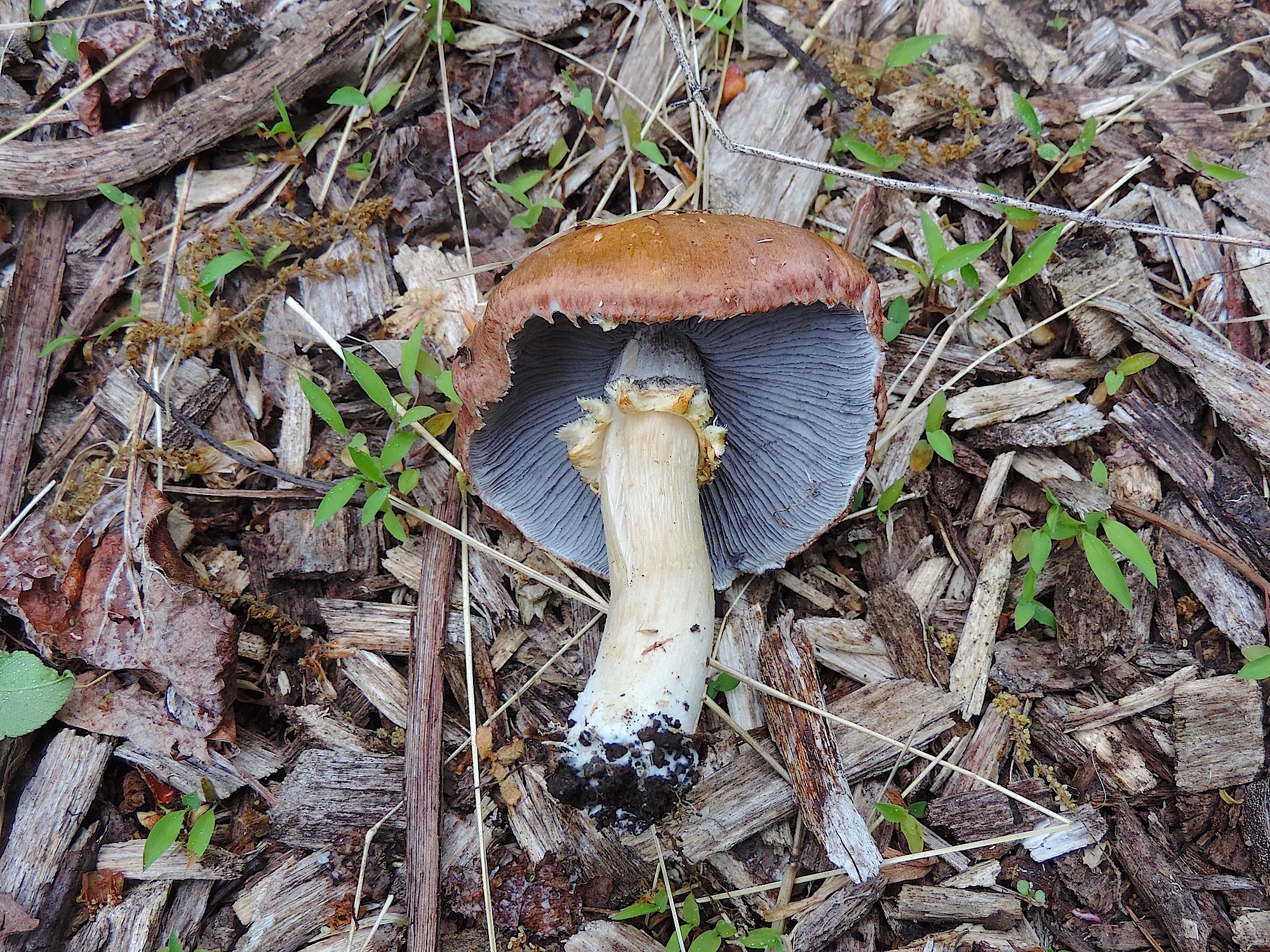
The wine cap (Stropharia rugosoannulata) is an excellent edible mushroom that can be harvested now. Note the reddish/brown cap with lilac gills, and the prominent ring.  Older specimens will fade to a straw-like color with darkened gills.  The spore print is very dark purple/black.

Mushroom hunters like myself aren’t the only ones interested in wine caps.  Researchers dig ’em just as much.

A recent study found that a lectin (a protein that binds to a carbohydrate) from wine caps displayed anti-cancer activity against leukemia and liver cancer cells.  Additionally, this lectin exhibited anti-HIV activity (Molecules 2014).

Other research has found that an exopolysaccharide isolated from wine caps exhibited potent anti-tumor and antioxidative effects (International Journal of Medicinal Mushrooms 2012).

Look for wine caps in mulch piles and wood chips, now through autumn in Pennsylvania.  And tell ’em Adam sent ya.


Leave a comment

Catching Up With The Western Pennsylvania Mushroom Club At Frick Park

frickpark6

What’s cooler than mushrooms?  Joining a local mushroom club!

And what’s cooler than joining a local mushroom club? Checking out this new video, which features the Western Pennsylvania Mushroom Club!

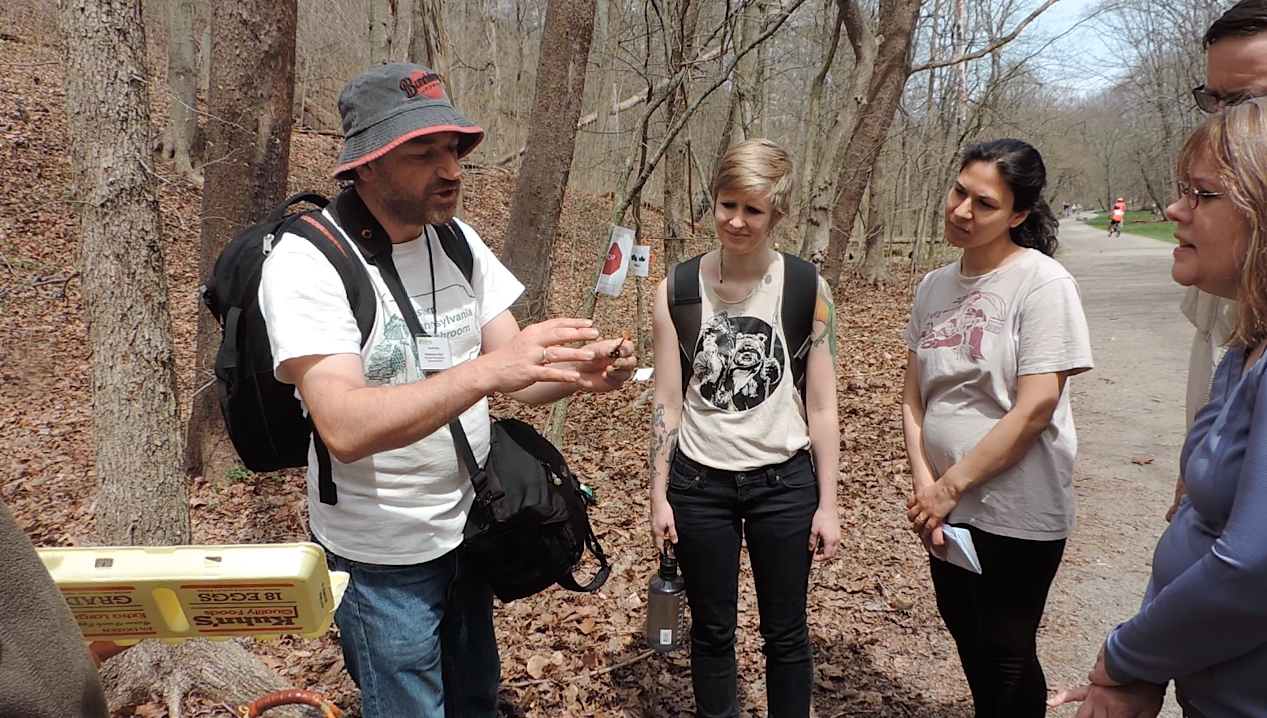
I recently attended an Earth Day mushroom walk in Pittsburgh and asked Richard Jacob (club president) a few questions regarding the whos, whats, wheres, whens, and whys of this organization.  In this video, he reveals all…


2 Comments

Chaga For Colon Cancer

chagatincturewildfoodism

Reason #739 to consume chaga: it may be effective against colon cancer.

That’s what a new study, published in Nutrition Research And Practice (2015), is suggesting. An alcohol extract of chaga (Inonotus obliquus) inhibited the reproduction and DNA synthesis of human colon cancer cells.

According to the researchers, “I. obliquus could be used as a natural anti-cancer ingredient in the food and/or pharmaceutical industry.”

Of course, there aren’t too many studies corroborating these findings, and this particular study wasn’t even performed on a single human being. We’re not petri dishes for crying out loud! Might as well dismiss the findings all together, eh?

Well, no. With a plethora of research showcasing chaga’s diverse suite of medicinal actions, and with a long, rich history of traditional use, common sense and intuition should start to tell us something…

…and guess what that is?


Leave a comment

Finding Morel Mushrooms In Pennsylvania

morelmushroomwildfoodism

I am going to make this as easy as I can for you.  The fungal kingdom is complex… mushroom hunting doesn’t have to be.

You’ve landed on this page for a reason.  You want to find some mushrooms.  No, not those white button mushrooms at the store.  Heck, you probably don’t even care about chicken mushrooms or hen of the woods this time of year.

You want morels, and I can help…

Read the rest of this article at Wild Foodism


Leave a comment

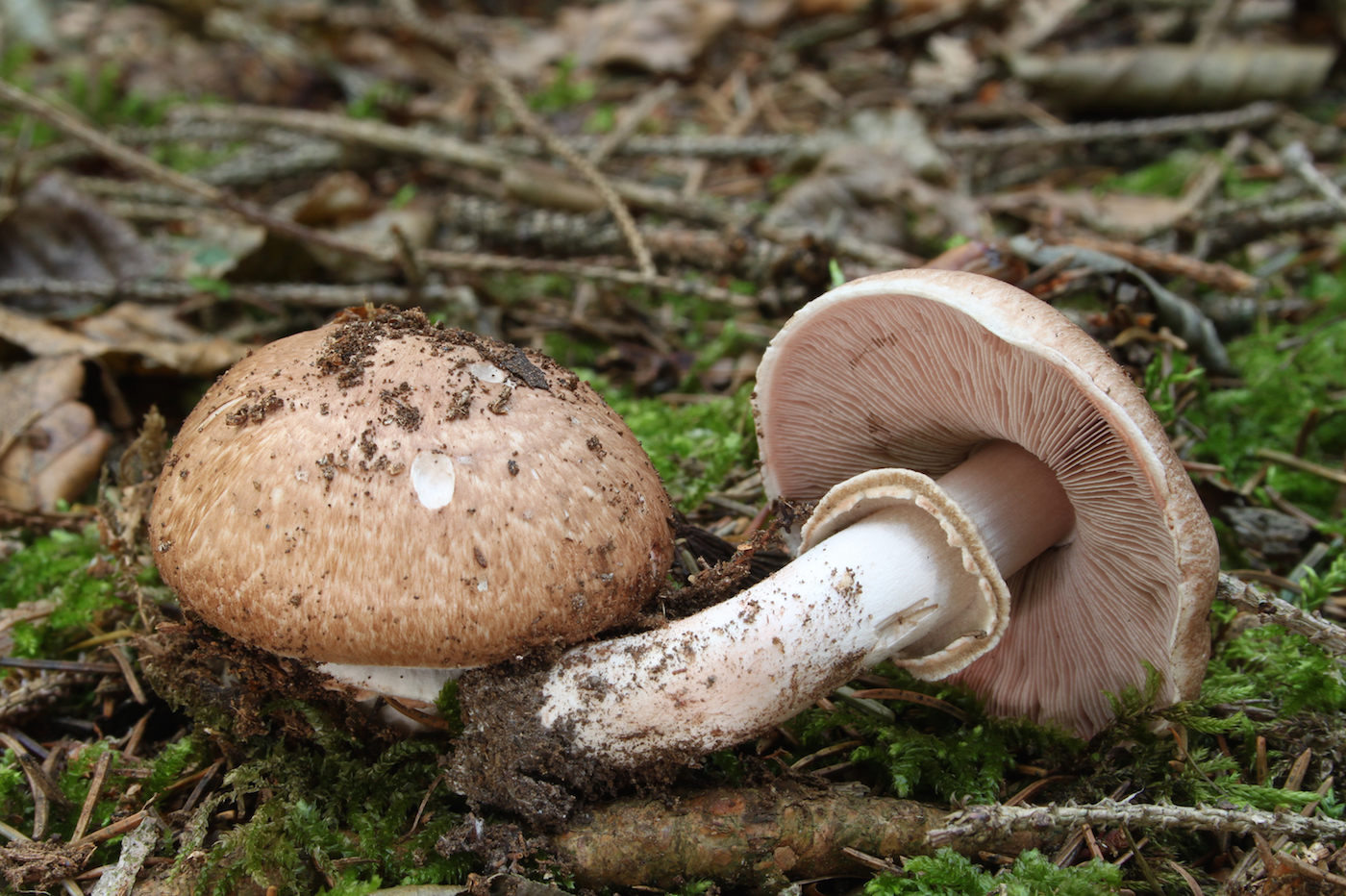
The Blushing Wood Mushroom, Agaricus silvaticus, Improves Cancer Treatment

Agaricussilvaticuswildfoodism copy

Credit: Holger Krisp, Ulm, Germany

I’d like to begin this article with 2 very important statistics:

The chance of an American man developing cancer in his lifetime is 1 in 2.

The chance of an American woman developing cancer in her lifetime is 1 in 3.

Pause and think about that for a moment…

…no really.  Think about it.

How did we get here?  Is it bad luck that plagues our species?  (Interestingly enough, a recent study suggested that the majority of cancer cases are due to bad luck, 1)

To me, that seems just a bit nutty, though I’ll leave it at that for now.

Browsing the scientific literature, it’s apparent that numerous variables are involved in cancer development, including pesticides, asbestos, synthetic chemicals in our food, genetics, cell phone exposure, and weight.  The list goes on (2).

Needless to say, many Americans will develop some form of cancer in their lifetime.  And many will take action by seeking conventional medical treatment.  Fair enough.

This is not a website telling people what they should or should not do regarding their health.  I write articles that provide information based on evidence.  What people do with this information is up to them.

Having said that, there’s a mushroom that individuals with cancerous conditions may find interesting…

Read the rest of the article at Wild Foodism


Leave a comment

Birch Polypore (Piptoporus betulinus), A Useful Alternative To Chaga

birchpolywildfoodismcookChaga (Inonotus obliquus) gets all the love, and for good reason: it’s got some fine medicine indeed.

But what if we can’t find chaga, or what if we are interested in protecting its existence in the wild? Well then, we can look to the birch polypore as a useful alternative.

You see, the birch polypore (Piptoporus betulinus) is a fairly common mushroom that generally grows on dead birch trees. I encounter it quite frequently in the forests of Pennsylvania, especially in the winter months.

Interestingly, it contains many of the same medicinal compounds as chaga, notably the triterpenes.

For example, the birch polypore possesses betulin, betulinic acid, and lupeol, and while its content of betulin is much lower than that found in chaga, it contains a significantly greater concentration of lupeol than chaga in certain extracts. Lupeol is a compound that may be useful in treating inflammation and cancer (Saleem 2009).

The birch polypore also contains an anti-inflammatory/anti-microbial compound not detected in chaga, known as taraxasterol (Jasicka-Misiak et al., 2010).

It seems that medicinal diversity is essential for optimal health, and cycling between chaga and the birch polypore (instead of relying solely on chaga) can benefit not only the health of the forests, but our personal health as well.


Leave a comment

Late Fall Oyster (Panellus Serotinus) – Winter Food And Medicine

latefalloystermorainewildfoodism

On your next walk through the winter forest, say hello to Panellus serotinus – the late fall oyster mushroom.

“Hello, what are you doing under there?” I ask.

No response.

It’s a seemingly shy mushroom – never razzle dazzle in appearance. Sure, it has some color – a splash of orange, a hint of green, though it typically puts on a show no larger than that (unlike its fellow forested fungal friends, the Amanitas and Hygrocybes, though they’ve been reduced to mycelia by now).

You might want to take some Panellus serotinus home. “It would be my pleasure,” the mushroom says. Panellus serotinus is edible of course, though in order to really make a dish out of it, prolonged cooking methods are suggested.

And hey, not that you asked for it, but Panellus serotinus will be sure to throw in a dash of immuno-modulating and anti-tumor oomph, because … well … that’s what it has been shown to do (Kim et al., 2012).

Look for the late fall oyster mushroom today in western Pennsylvania (this photograph was taken in Moraine State Park). Even in the snow covered forest, even in these frigid temperatures … the best that the universe has to offer is out there – always wild, always free.


1 Comment

Medicine From The Forest – Extracting The Chaga Fungus

chagatincturewildfoodism

If you don’t implement your own medicinal strategy, you’ll be prescribed someone else’s … and theirs most likely won’t be anywhere near as effective as a preventative plan chosen by you with intention and care.

The chaga fungus (Inonotus obliquus) constitutes a large portion of my medicinal strategy. Used for centuries in traditional Siberian medicine, it has been gaining a lot of popularity in the Western world. Scientific research repeatedly reveals that chaga possesses anti-tumor, anti-cancer, and immunomodulatory activities. Because of this, and because it grows in the birch forests of Pennsylvania, I have made wild-harvested chaga a medicinal staple.

This is a photograph of an alcoholic extraction of chaga, created on November 22nd and pulled 6 weeks later on the January full moon. Included in the extraction are fresh vanilla beans for enhanced flavor.

Remember, there’s more to health than the food we eat and the exercise we get. And although we most likely were never taught this in the high school health education classroom, a personalized medicinal strategy is also imperative for optimal health.