Foraging Pittsburgh

Wild Food Walks, Workshops, & Guided Nature Hikes


Leave a comment

Leached Acorns, Porridge, Workshops, Etc.

acornjarwildfoodism

This year’s first batch of acorn meal is ready to go!

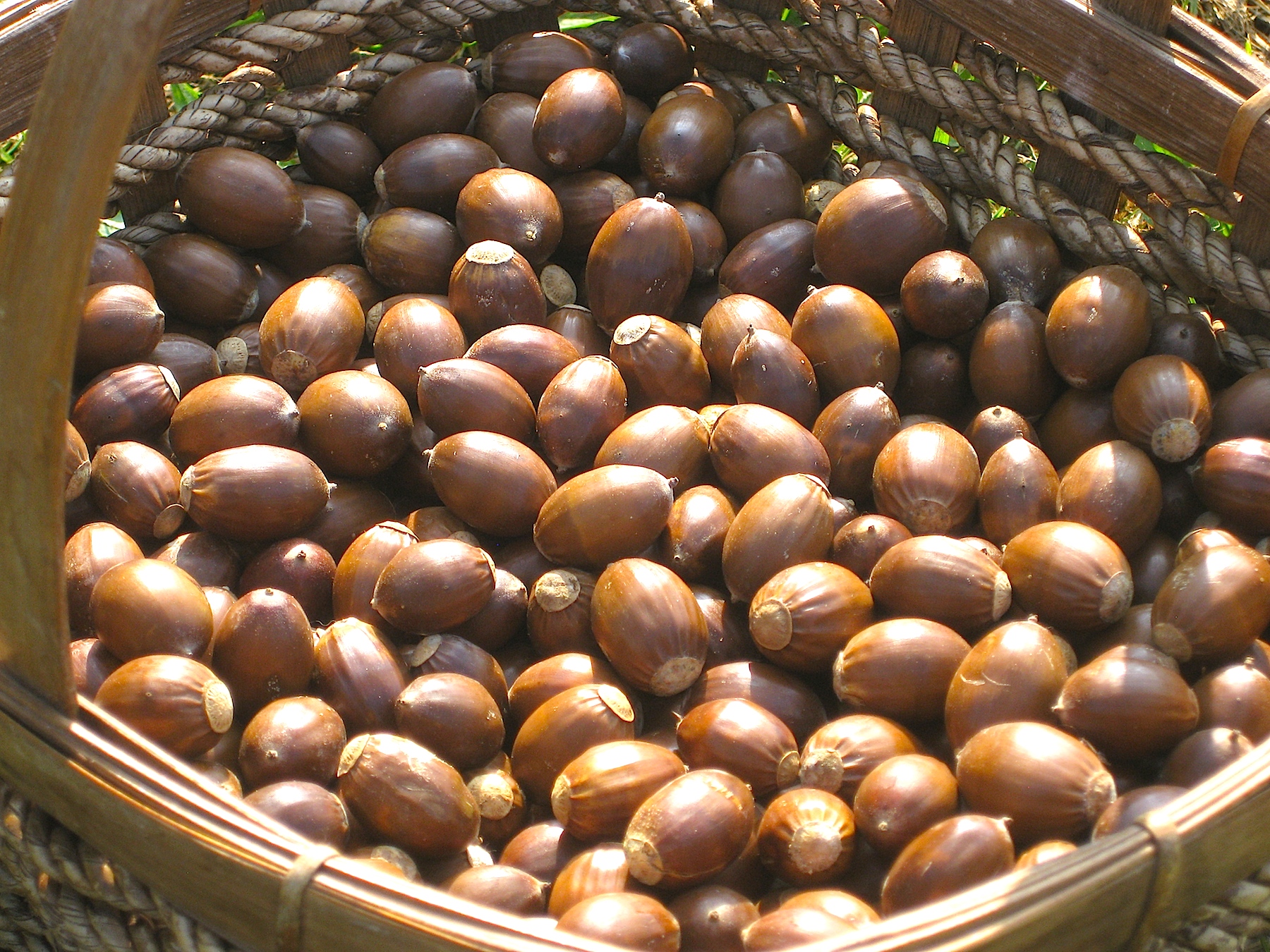
The acorns I processed were gathered from the chestnut oak (Quercus prinus), a species of white oak that, comparatively speaking, contains a rather high level of tannins. To bring this level down, I cold-leached the acorns for 10 days, decanting the water about 2 times per day (sometimes 3). The remaining meal went into the dehydrator on a low setting and dried sufficiently within 5 hours.

I’ve already made my famous (well okay, only to me) wild porridge with serviceberries, crab apples, and maple syrup, and it was a most satisfying breakfast. Just what I needed after pullups, incline chest presses, and barbell shrugs.

It’s not too late to harvest acorns! Many from the white oak group are sprouting as you are reading this (they like to do that in the autumn), though the acorns from the red oak group can still be found ungerminated.

If you’d like to learn more about acorn harvesting and processing, consider joining me for an outdoor class on this very topic, on Saturday, November 15th. It’ll be a great time, for sure!

TheAcornForager


Leave a comment

Acorn Harvesting And Processing Outdoor Class Near Pittsburgh

chestnutoakacornswildfoodism1

Acorns are a fantastic food … when they are processed properly.  If you’ve ever wondered how to turn these puckery nuts into their tasty, nutritious alter-egos, consider joining me for an outdoor class on Saturday, November 15th.

I’ll be discussing the ins and outs of acorns … which ones to gather, several leaching methods, drying and storing methods, recipes, and more (I’ll also be sure to point out some of the autumn wild edibles nearby)!  The outdoor class will take place in the North Hills of Pittsburgh, about 12 miles north of the city.  For more information, and to watch a personal video invitation, check out the events page here:  https://foragingpittsburgh.com/events

It would be great to see you there!


Leave a comment

Harvesting Acorns From The Chestnut Oak, Quercus prinus

chestnutoakacornswildfoodism

Local? Check. Sustainable? Check. Paleo? More Paleo than almond flour cookies, that’s for sure.

Autumn is acorn season … not just for stepping on, for crafts, for throwing, or for the squirrels, deer, wild turkeys, jays, and weevils. They’re an excellent wild food source for Homo sapiens, and I encourage you to explore the almost-forgotten art of harvesting, processing, and consuming acorns.

You can eat a few acorns raw … they provide a very astringent mouth feel due to the presence of tannic acids. If consuming large quantities, however, processing is the way to go for taste and health (that’s right, processed food can be good for you). This involves some variation of drying, shelling, grinding, leaching, and cooking.

These are acorns gathered from the chestnut oak (Quercus prinus), a native tree common on dry, rocky slopes and ridges from central Mississippi to southern Maine. A member of the white oak group, the chestnut oak produces acorns that mature and germinate in a single season. These were gathered a few weeks ago before they had the chance to sprout (which they’re doing like crazy right now).

Acorns will constitute a good portion of my winter calories, and I hope you’ll find as much pleasure as I do in harvesting, processing, and consuming America’s original superfood!


Leave a comment

Honey mushroom (Armillaria mellea complex)

honeymushroomwildfoodism

Ah yes, I’m glad these woods carry honey mushrooms. And look, freshly stocked … no line either!

Well, maybe I shouldn’t consider it a “good” thing, as honey mushrooms are known to be some of the most aggressive mushrooms in nature, parasitizing trees and eventually causing their destruction. I’ll rephrase my opening statement to “It is what it is.”

Honey mushrooms are part of a species complex (Armillaria mellea complex), incorporating at least a dozen distinct species. They share characteristics, however, that can be used to tell them apart from other mushrooms in separate genera: Honey mushrooms have a veil (unless they’re ringless honey mushrooms … a separate species), they usually contain small dark hairs on the cap, they grow in clusters on wood – though the wood may be buried, and their spore print is white.

They’re a prized edible, somewhat resembling shiitake mushrooms (cooked, of course). They’re also quite medicinal. Research has shown that a water-soluble polysaccharide from the honey mushroom exhibits a potent tumor inhibitory effect on human lung cancer cells (Wu et al., 2012). The mycelia (the fungal “root-like” network) possesses an antibiotic compound, armillaric acid, that is effective against gram-positive bacteria and yeast (Obuchi et al., 1990). Honey mushrooms also contain the biologically active compounds tryptamine, L-tryptophan, and serotonin (Muszynska et al., 2011).

This is not generally considered a “beginner’s mushroom.” It may be confused with the deadly Galerina (Galerina marginata), which, as its name suggests, is one of the most poisonous mushrooms in the forest (and was growing not too far from this spot). The deadly Galerina is more fragile than a honey mushroom, has a smoother cap, and produces rusty-brown spores. For positive identification, field guides are great, though trusted mycological identifiers are the best.

Long live the autumn mushroom season!


3 Comments

Another Bear’s Head Tooth (Hericium americanum) near Pittsburgh

adamcollage

I don’t usually characterize the foraging year as being “a good year for bear’s head tooth.” Chicken mushroom – let’s talk about them; chanterelles – they definitely deserve a mention; morels – let me see your pictures. Based on the last few weeks exploring the forest, however, I can confidently proclaim that it has been a great year for bear’s head tooth!

Bear’s head tooth (Hericium americanum) provides a stunning sight with its branched icicle-like body, resembling a miniature frozen waterfall. It appears late summer through autumn on fallen logs or the wounds of trees (mostly hardwoods), though its presence is considered infrequent to rare. All the more reason for me to proclaim that it has been a great year for this forested jewel, as I have found it on numerous occasions.

Other Hericiums (of which lion’s mane is one) resemble bear’s head tooth, and all are considered to be edible (cooked, of course) with no poisonous look-alikes. Cut it into small pieces, saute it in butter with garlic, season with your favorite spices, and serve with a squeeze of lemon.

I found this magnificent specimen while hiking in a park northwest of Pittsburgh.

Happy fall foraging!


Leave a comment

5 Easy-To-Identify Edible Mushrooms For The Beginning Mushroom Hunter

chickenofthewoodswildfoodism2

In the world of foraging, few organisms conjure up more fear and mystery than mushrooms.  Tell someone you harvest wild berries, and he thinks to himself what a great hobby.  Tell another person you hunt wild mushrooms, and she fears for your life.

“Aren’t you scared?”

“What if it’s poisonous?”

“I could never pick wild mushrooms, they’re much too dangerous.”

The fungal kingdom, it seems, is a bit of an enigma.  In 1991, a paper was published suggesting that, although 1.5 million fungi were thought to have inhabited the earth, only about 70,000, or 4.7%, of fungal organisms were identified at that time (1).  Today, it is estimated that there are 5.1 million fungal species in existence, and the number of identified species is still quite small in comparison.

It’s true, out of 5.1 million fungal species, some of them are quite toxic …

Read the rest of this post here.


Leave a comment

Wild Edible And Medicinal Plants Workshop in Pittsburgh

hartwoodclasswildfoodism

I had the pleasure of leading the Wild Edible and Medicinal Plants Workshop at Hartwood Acres this past Saturday, along with Erik Kulick of True North Wilderness Survival School.

We covered more than a dozen species, including Lindera benzoin (spicebush), Pinus strobus (eastern white pine), and Quercus rubra (northern red oak). We harvested chicken of the woods, sampled a chaga-chai decoction, and experienced the ambrosial paw paw. The air was cool, the wind was steady, and no amount of hail could have kept us from learning how to tap a maple tree.

Thank you to everyone who participated in the workshop … it was an honor to take part in it. Also a big thanks to Erik for hosting the event (and for snapping this photograph!).

For more information on the classes, walks, and workshops I lead, please check out Wild Food Walks.  Thank you!


Leave a comment

Paw Paws (Asimina triloba) In Pittsburgh

pawpawfruitwildfoodism

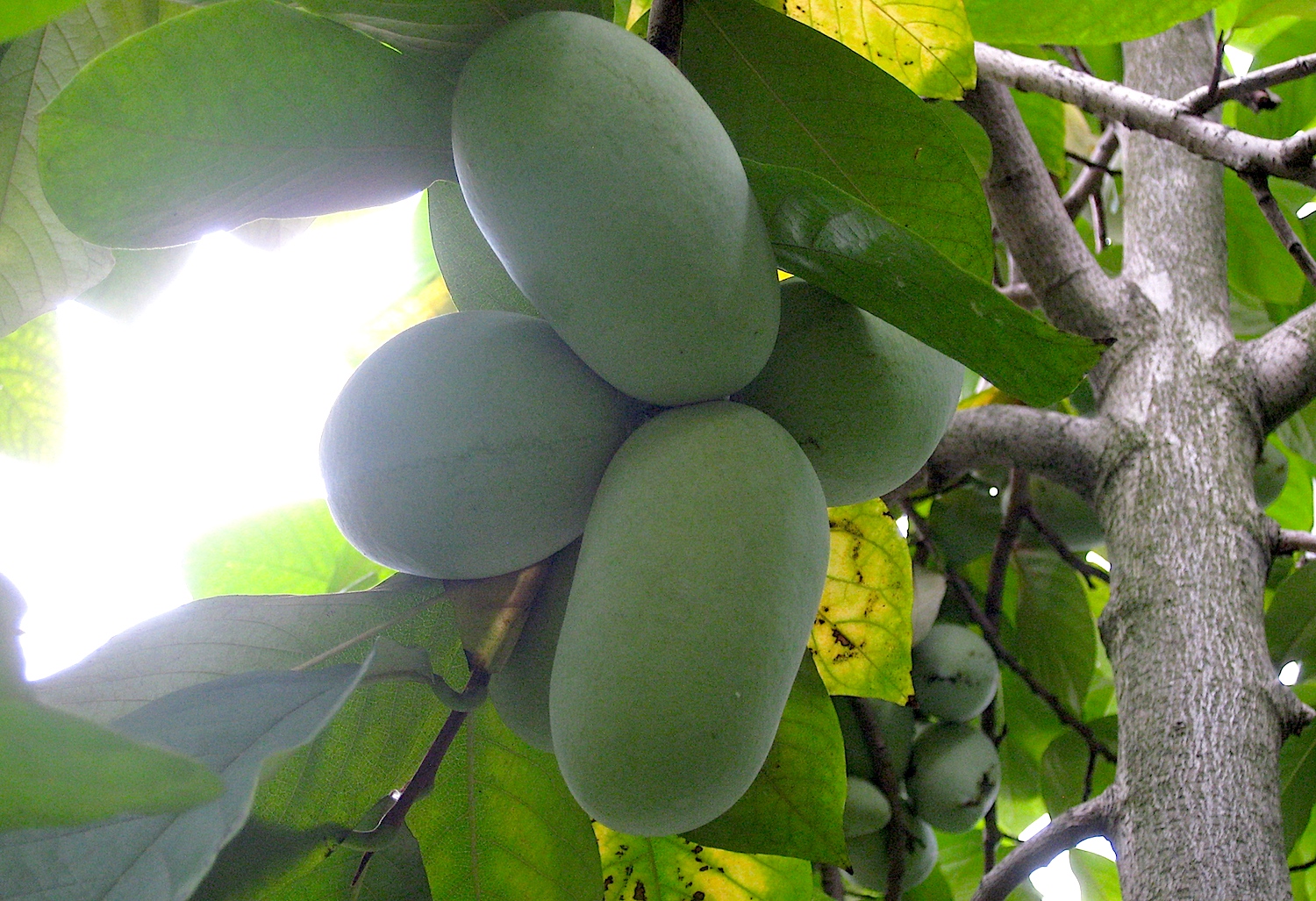
The paw paw fruits have been falling in western Pennsylvania the past few weeks (if you’ve never experienced one, ask a friend to share his/her secret spot! … just kidding, that will never work).  The fruits, which are actually berries, taste somewhat like a cross between a banana and a mango … no surprise, as they are taxonomically placed in the custard apple family.

Beyond edibility, the native paw paw (Asimina triloba) … yes, this tropical-tasting fruit is native to the United States … is quite medicinal: the fruits, perhaps, but more so the twigs.

One particular group of active compounds found in Asimina triloba includes the acetogenins.  These are long chain fatty acid derivatives with a wide variety of biological activities.  Research suggests that these acetogenins are cytotoxic against lung, breast, and colon cancer cells (Zhao et al., 1993).

Additional research has evaluated the effects of paw paw extracts on patients with cancerous conditions.  According to McLaughlin et al., “It is apparent that the paw paw extracts are an effective supplement for the regulation of cancers of various types” (2010).

Acetogenins are poorly soluble in water, so a hot water decoction (tea) would not be the best method of extraction.  An ethanol (alcohol) or lipid extraction would be best.

To do this, crush twigs of the paw paw tree, combine 1 part twigs to 2 parts organic vodka, and let the mixture sit in a glass jar for a few weeks (I like to set extractions on the new moon, and pull on the full moon 6 weeks later).  Strain, and bottle your tincture.

Of course, this medicine may not be right for everyone, and by no means is the paw paw tree the long-awaited remedy for cancer.  However, this may all be good information for those who actually need it.

Use your intuition … that’s good medicine right there.  I’ll be gathering more paw paws today if you need me ….


Leave a comment

Pear-shaped puffball, Lycoperdon pyriforme

puffballwildfoodism

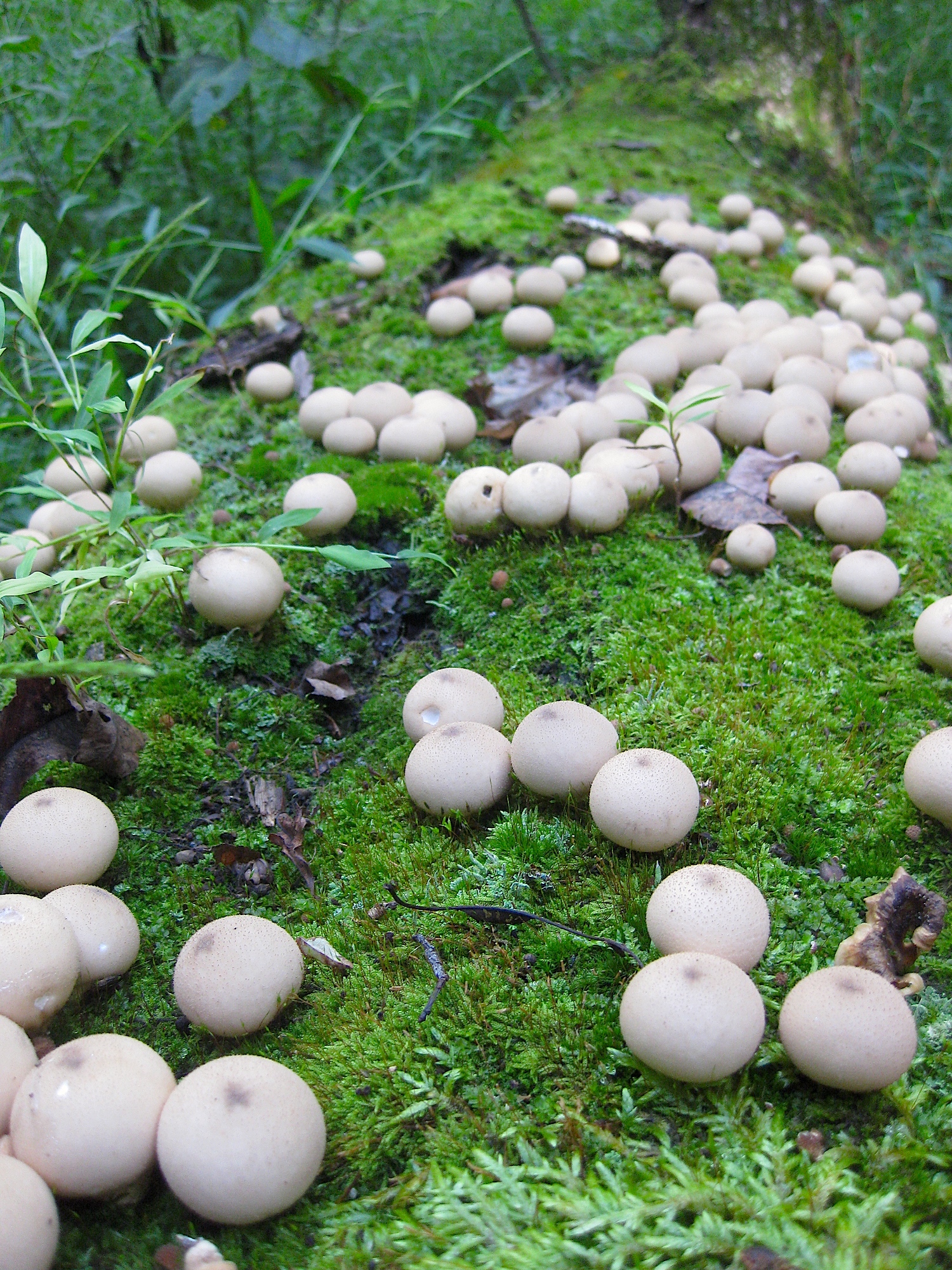
You’d think with all that room in the forest, they’d give each other space. I don’t mind though … makes it that much easier to collect.

This is the pear-shaped puffball (Lycoperdon pyriforme), an edible mushroom that has the texture of a marshmallow. Cut each one in half to see how it looks – the closer to pure white, the better it tastes (cooked, of course).

Another reason to cut each one open is to confirm that it is indeed a pear-shaped puffball. If it’s black inside, it could be a toxic Scleroderma mushroom. If it’s not pure white all the way through, and you see an outline of a developing mushroom, you probably have a poisonous Amanita. So, just to be safe … cut each one in half!

Look for the pear-shaped puffball scattered on logs and stumps throughout the fall (and the spent versions throughout the winter). And tell them Adam sent ya.

This particular cluster was found about 15 miles outside of Pittsburgh, Pennsylvania in late September.


Leave a comment

The medicine in chicken mushroom, Laetiporus sulphureus

chickenwildfoodism

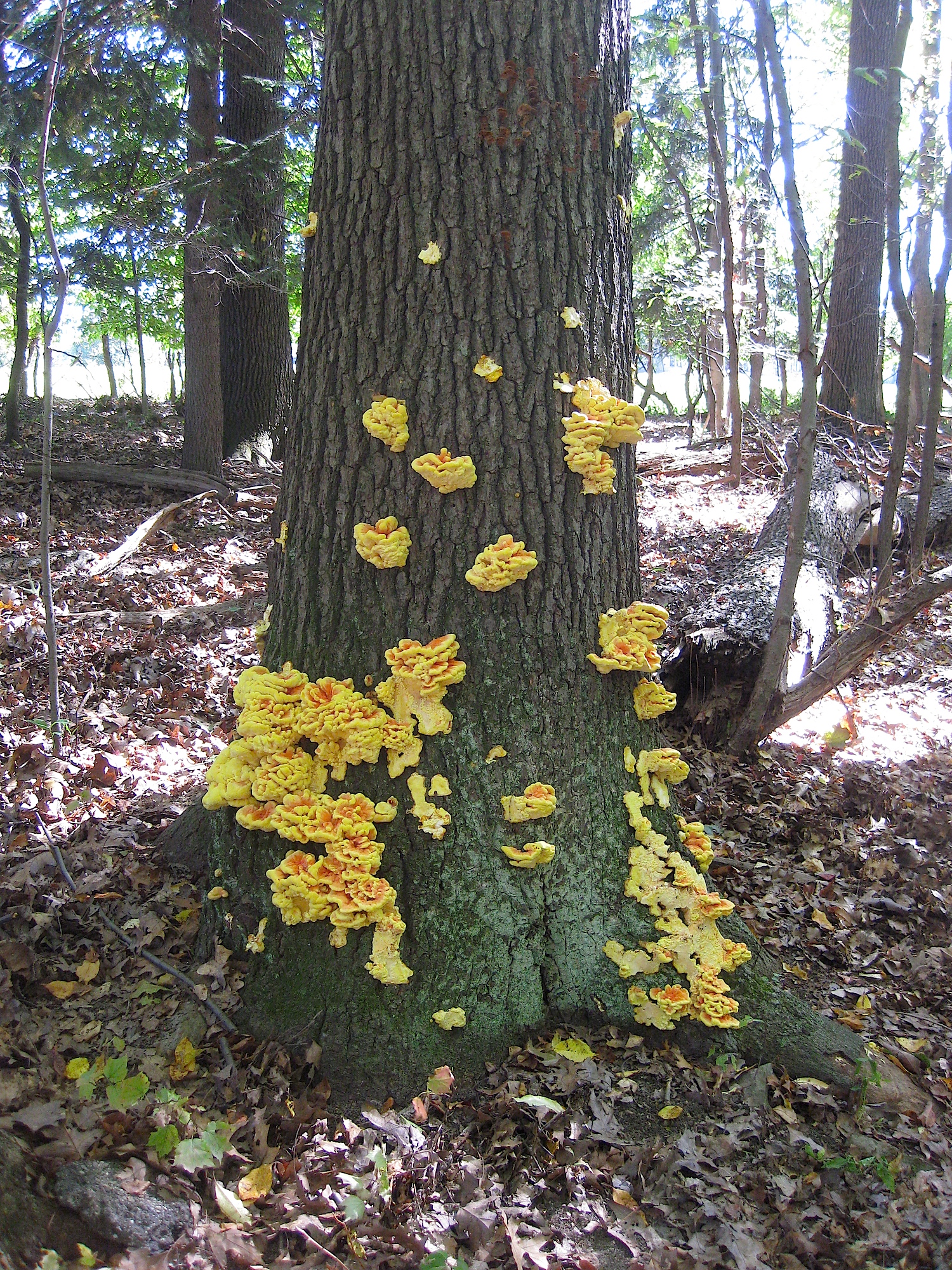
Chicken mushroom (chicken of the woods, Laetiporus sulphureus) isn’t just for the dinner table (if you’re not familiar with this edible fungus, it resembles chicken in taste and texture). Chicken mushroom is quite medicinal, and it’s the perfect way to let food be your medicine, and medicine your food.

Research has shown that an extract from this mushroom possesses antimicrobial activity against the pathogen, Aspergillus flavus (Petrovic et al., 2013). Chicken mushroom is also a great source of antioxidants, including quercetin, kaempferol, caffeic acid, and chlorogenic acid (Olennikov et al., 2011), and it contains lanostanoids – molecules that have the ability to inhibit cancerous growths (Rios et al., 2012). What more could you ask for from a humble saprophyte?

I harvested only a bit (as you can see, another hungry soul found this tree before me). And if you are signed up for the wild edible and medicinal plants workshop near Pittsburgh next week, I’ll introduce you to this tree (let’s hope it’s not completely picked over by then!).