Foraging Pittsburgh

Wild Food Walks, Workshops, & Guided Nature Hikes


2 Comments

Foraging Wild Basil (Clinopodium vulgare) In Pennsylvania

wildbasilwildfoodism

Local and native herbs:

Wild basil (Clinopodium vulgare), native to North America, can be found flowering now in Southwestern Pennsylvania.  A member of the mint family, wild basil isn’t closely related to the cultivated basil we find in grocery stores, though it can be used in much the same way.

The taste of the fresh plant, in my opinion, is a bit milder than cultivated basil.  Right now, I have some drying that I will use later as an herb or tea.

Besides adding flavor to your meals, it can increase the quality of your health.  Current research has found that wild basil possesses antibacterial, anti-tumor, and anti-inflammatory properties.

This particular specimen was photographed at Doak Field in Raccoon Creek State Park.


Leave a comment

Medicinal Mushroom Workshop and Summer Foraging Hike in Western Pennsylvania

wildreasons

Greetings!

I have some great news for you…

On Saturday, June 20th, I will be leading the Medicinal Mushroom Workshop and Summer Foraging Hike at McConnells Mill State Park… and I would love for you to join me!

If you’re interested in learning how to identify, harvest, and use medicinal mushrooms, this is the perfect event for you.  Additionally, the second half of the program includes a wild plant and mushroom foraging hike through the beautiful Slippery Rock Creek Gorge within the park.

But first, what the heck are medicinal mushrooms?

Well, picture those mushrooms that you find in the bins at the grocery store.  See them in your mind, feel them, smell them (okay, so they don’t exactly compare to lilacs).  Now imagine these fungi with several times the nutrients and medicine…

Hello medicinal mushrooms!

You see, medicinal mushrooms are the superstars of the fungal kingdom.  Plenty of research suggests that these mushrooms demonstrate powerful anti-cancer, anti-inflammatory, and anti-viral properties, and many experts consider them to be top candidates for immune-system support.

But don’t take my word for it:

  • A 2012 study from ISRN Oncology found that Turkey Tail mushroom significantly improved the immune systems of breast cancer patients following conventional treatment.
  • Chaga mushroom is one of the richest sources of betulinic acid, a compound that has been shown to exhibit anti-bacterial, anti-viral, anti-inflammatory, anti-HIV, anti-malaria, and antioxidant effects (Current Medical Chemistry, 2005).
  • A Maitake mushroom extract has been shown to demonstrate protection against diabetes by slowing glucose absorption in the body (Biotechnology and Applied Biochemistry, 2013).

…and the list of research goes on and on.

Now, are you ready for the best part?

Are you sure?  Positive?

Okay, here it goes…

Medicinal mushrooms grow in Western Pennsylvania!  In fact, they grow all over Pennsylvania.

That’s right… we’re talking chaga, reishi, turkey tail, lion’s mane, birch polypore, and dozens more.

Being a huge proponent of medicinal mushrooms myself, I’d love to show you how to properly identify, harvest, and create meals and medicines using these powerful mushrooms.

Additionally, if you’re interested in learning how to identify and harvest wild plants for food and medicine, I’ve got that covered, too…

The second part of the program (as I mentioned earlier) will include a hike through Slippery Rock Creek Gorge in the park as we identify and discuss the summer edible and medicinal plants.

By attending this program, you will learn:

  • The top 5 medicinal mushrooms of Pennsylvania and how to identify them
  • Medicinal mushroom health benefits
  • Where to look for medicinal mushrooms
  • How to harvest medicinal mushrooms
  • How to dry and store medicinal mushrooms
  • How to make decoctions
  • How to make tinctures
  • Wild plant field identification
  • Wild plant nutrition
  • Plant harvesting methods
  • Latin nomenclature

…and more!

When:  Saturday, June 20th, 2015
Where:  McConnells Mill State Park, Western Pennsylvania (39 miles north of Pittsburgh)
Time:  1:00 – 4:00 PM
Investment: $30

The program will entail light to moderate hiking (some rocks and steep hills), and will take place rain or shine.  Please note that in order to maximize your learning experience, space is limited and registration with payment in advance is required to secure your spot.  The exact class location will be provided upon registration.

To register, please contact me (Adam) at

adamharitan@gmail.com

Come celebrate the last day of spring in a beautiful park with a great group of foragers!  We look forward to seeing you there!

Thank you!
-Adam


Leave a comment

Chicken Of The Woods, A Pleasure To Find In May

chickenmushroommayLHHT

Well this was quite an exciting find!  Other experiences will surely vary, but personally, I’ve never seen the chicken mushroom so early in the season.  This baby chick was found May 25th in Southwestern Pennsylvania (Laurel Highlands area).

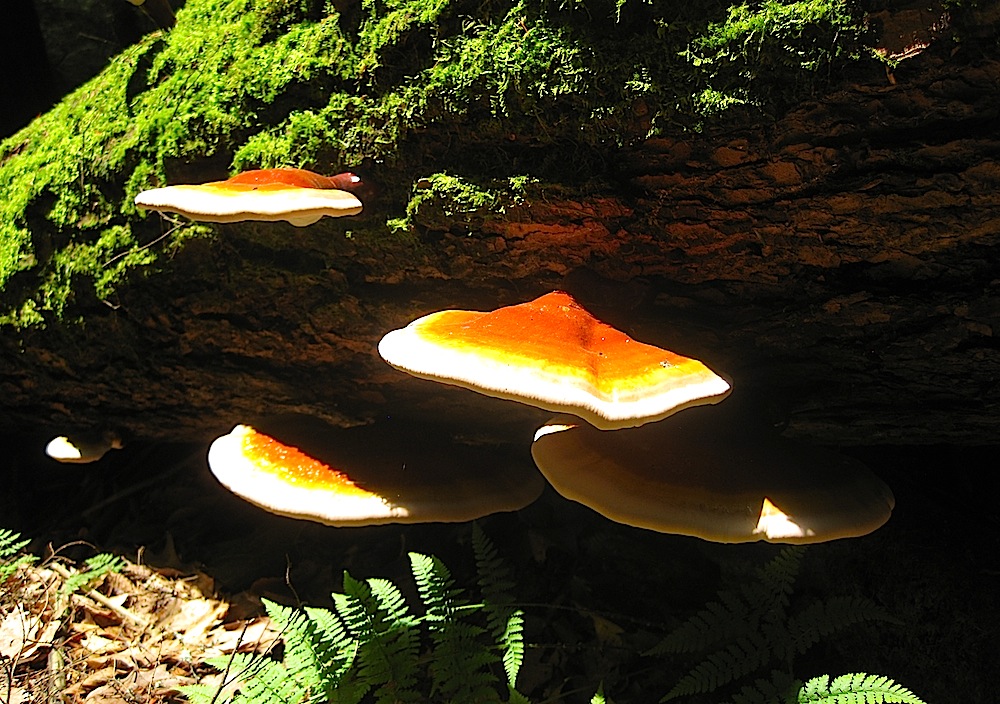
Chicken mushroom (Laetiporus sulphureus, sulphur shelf, chicken of the woods, etc.) isn’t just for the dinner table (if you’re not familiar with this edible fungus, it resembles chicken in taste and texture).  Chicken mushroom is quite medicinal, and it’s the perfect way to honor Hippocrates.  (“Let food be thy medicine, and medicine thy food.”)

Research has shown that an extract from this mushroom possesses antimicrobial activity against the pathogen, Aspergillus flavus (Petrovic et al., 2013).

Chicken mushroom is also a great source of antioxidants, including quercetin, kaempferol, caffeic acid, and chlorogenic acid (Olennikov et al., 2011), and it contains lanostanoids – molecules that have the ability to inhibit cancerous growths (Rios et al., 2012).

What more could you ask for from a humble saprophyte?


Leave a comment

Autumn olive (Elaeagnus umbellata) in flower

autumnoliveflowerwildfoodism

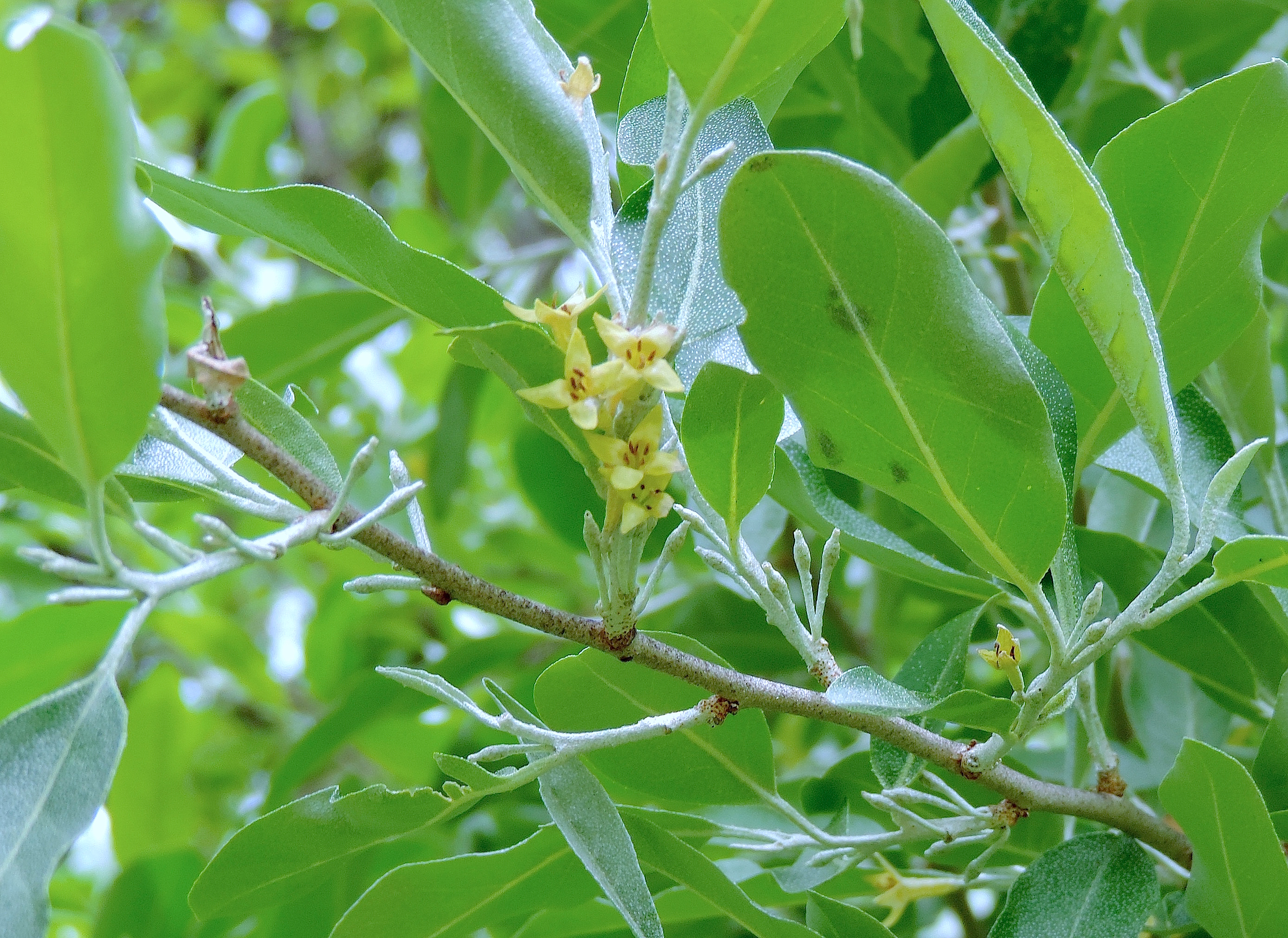
Take a good look at these flowers.  Find them during your next stroll, and return in late summer/early autumn.

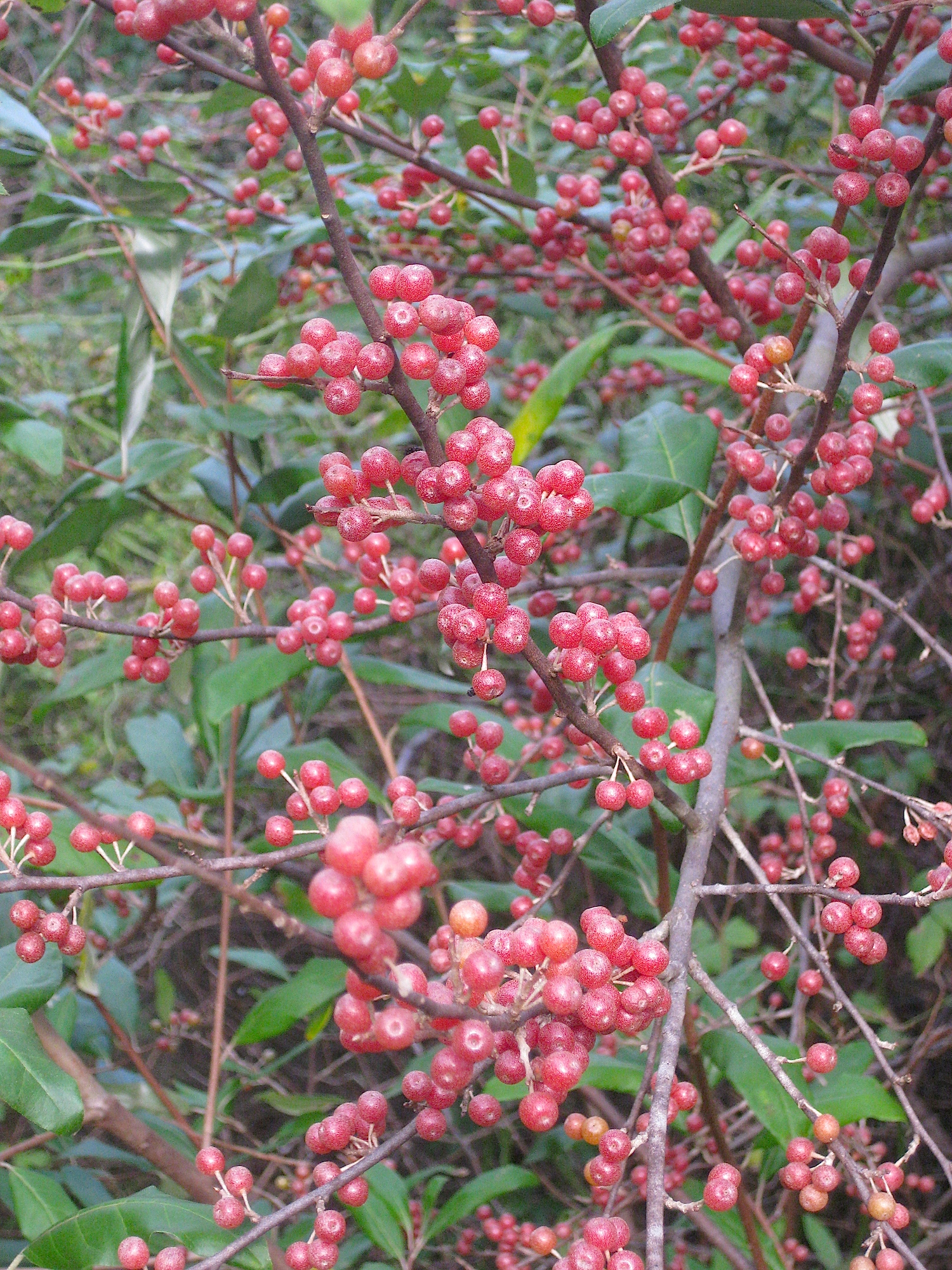
This is autumn olive — a deciduous shrub that produces numerous edible fruits (usually red with silver specks).  Not only are they delicious, they’re highly nutritious as well (and go great in smoothies).

autumnolivewildfoodism

One study revealed that autumn olive fruits contain up to 17 times the lycopene content compared to tomatoes (Fordham et al., 2001).  Lycopene (which almost always gets attributed to tomatoes) is a carotenoid pigment and powerful antioxidant that may protect our bodies from free radical damage, premature skin aging, DNA damage, etc.

The same study found that autumn olive fruits contain up to 10 times the beta-cryptoxanthin content compared to oranges and tangerines.  Beta-cryptoxanthin is another powerful antioxidant that can be converted to vitamin A in the body.

Autumn olive tends to be quite invasive in Pennsylvania.  Look for them in open pastures, fields, and along the edge of woodlands.  These photographs were taken about 15 miles from Pittsburgh (the flowers in May, the fruits in September). 

Sad to say you won’t find these tasty drupes in the supermarket, though the chase is more fulfilling anyway.


Leave a comment

Wine Caps (Stropharia rugosoannulata), Edible And Medicinal Mushrooms

Winecapforagingpittsburgh

And Pennsylvania’s mushroom season continues…

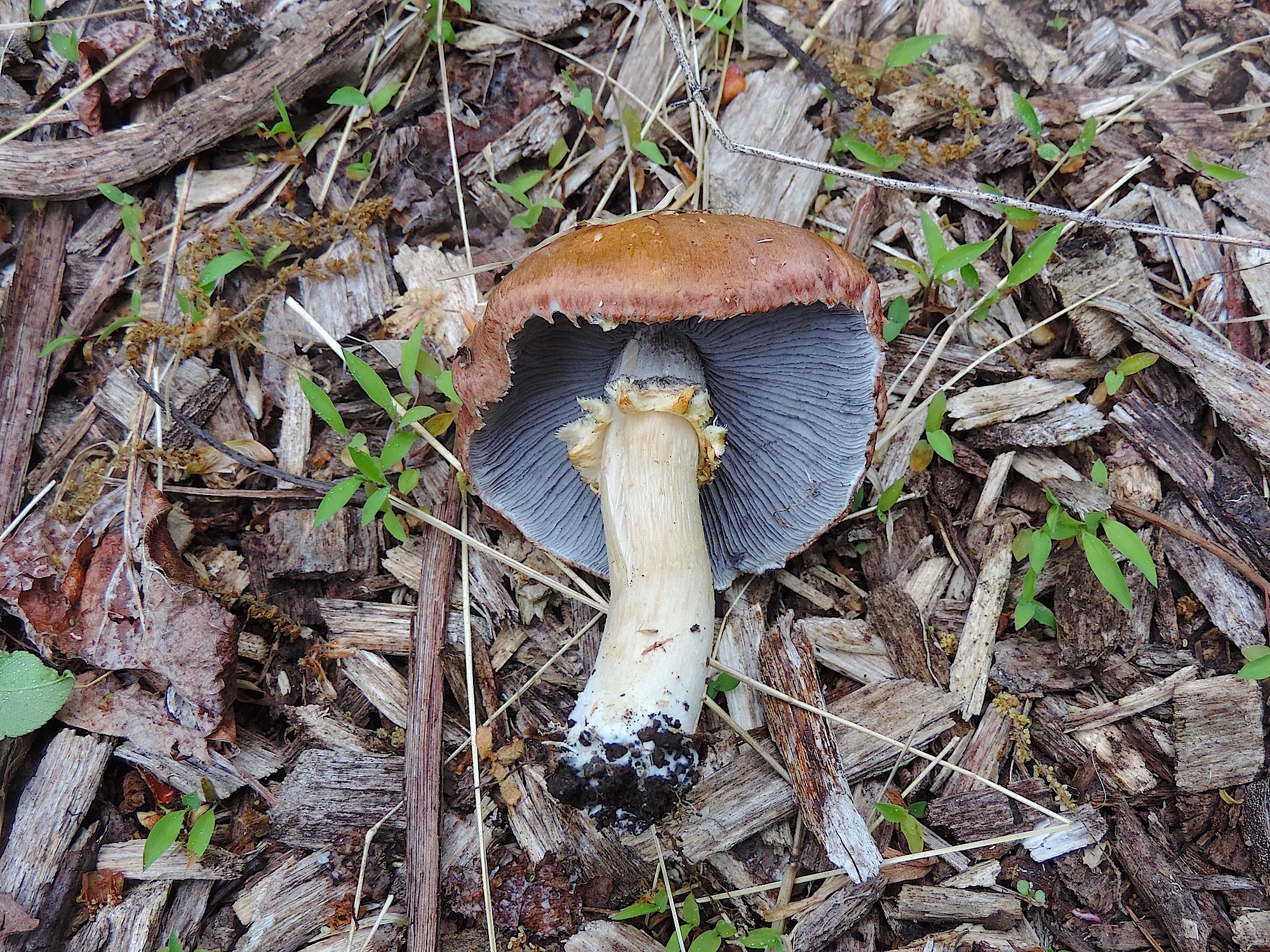
The wine cap (Stropharia rugosoannulata) is an excellent edible mushroom that can be harvested now. Note the reddish/brown cap with lilac gills, and the prominent ring.  Older specimens will fade to a straw-like color with darkened gills.  The spore print is very dark purple/black.

Mushroom hunters like myself aren’t the only ones interested in wine caps.  Researchers dig ’em just as much.

A recent study found that a lectin (a protein that binds to a carbohydrate) from wine caps displayed anti-cancer activity against leukemia and liver cancer cells.  Additionally, this lectin exhibited anti-HIV activity (Molecules 2014).

Other research has found that an exopolysaccharide isolated from wine caps exhibited potent anti-tumor and antioxidative effects (International Journal of Medicinal Mushrooms 2012).

Look for wine caps in mulch piles and wood chips, now through autumn in Pennsylvania.  And tell ’em Adam sent ya.


Leave a comment

Ramps (Wild Leeks, Allium tricoccum ) In Pennsylvania

wildleeks376wildfoodism

Wild leeks (Allium tricoccum), aka “ramps,” need no introduction, though here are a few cool facts regarding this wild spring food:

•The leaves from wild leeks contain at least 1.5 times the vitamin C content of an orange.
•Wild leeks contain medicinal compounds known as thiosulfinates, of which allicin is one. Allicin, a thiosulfinate usually attributed to garlic, possesses antioxidant, anti-bacterial, and anti-viral properties.
•Research from Biological Conservation (2004) suggests that removal of 95% of wild leeks within a plot could take 148 years to fully recover.

I like to harvest a leaf or two from a plant, then move on to the next… always leaving plenty in tact to maintain the population. 

Wild leeks are slow to reproduce and could take years to recover from poor harvesting practices, so hey… always keep the species’ longevity in mind when bringing some home for the table!


Leave a comment

Catching Up With The Western Pennsylvania Mushroom Club At Frick Park

frickpark6

What’s cooler than mushrooms?  Joining a local mushroom club!

And what’s cooler than joining a local mushroom club? Checking out this new video, which features the Western Pennsylvania Mushroom Club!

I recently attended an Earth Day mushroom walk in Pittsburgh and asked Richard Jacob (club president) a few questions regarding the whos, whats, wheres, whens, and whys of this organization.  In this video, he reveals all…


Leave a comment

Wild Ginger (Asarum canadense) – A Beautiful Pennsylvania Native Plant

wildgingerwildfoodism

Wild ginger (Asarum canadense) — gotta take your time to really appreciate this one.

The flowers are a bit difficult to view from the top, so when you spot the heart-shaped leaves, get down real low and peer underneath.

The rhizomes smell and taste somewhat like true ginger, though the two plants aren’t closely related.  Use wild ginger in moderation — it contains a compound known as aristolochic acid, which can be carcinogenic and medicinal… depending, of course, on the dose.


2 Comments

Chaga For Colon Cancer

chagatincturewildfoodism

Reason #739 to consume chaga: it may be effective against colon cancer.

That’s what a new study, published in Nutrition Research And Practice (2015), is suggesting. An alcohol extract of chaga (Inonotus obliquus) inhibited the reproduction and DNA synthesis of human colon cancer cells.

According to the researchers, “I. obliquus could be used as a natural anti-cancer ingredient in the food and/or pharmaceutical industry.”

Of course, there aren’t too many studies corroborating these findings, and this particular study wasn’t even performed on a single human being. We’re not petri dishes for crying out loud! Might as well dismiss the findings all together, eh?

Well, no. With a plethora of research showcasing chaga’s diverse suite of medicinal actions, and with a long, rich history of traditional use, common sense and intuition should start to tell us something…

…and guess what that is?


Leave a comment

Spring Beauty (Claytonia virginica), An Edible Pennsylvania Wildflower

springbeautymcconnellswildfoodism

Here we have spring beauty (Claytonia virginica) in flower, so eloquently striking a pose for the camera in the woods of Western Pennsylvania.

Wherever it’s abundant, spring beauty is an excellent wild edible food. Its roots will provide the most calories, and the aerial portion can be eaten as well.

Another species of spring beauty here in Pennsylvania is C. caroliniana, whose leaves, which taper to a petiole, are generally not as long and narrow as the leaves of C. virginica.

Beautiful, isn’t it? Have you seen any wildflowers today?