Foraging Pittsburgh

Wild Food Walks, Workshops, & Guided Nature Hikes


1 Comment

Turkey Tail Mushroom And Its Medicinal Benefits

turkeytaillogwildfoodism

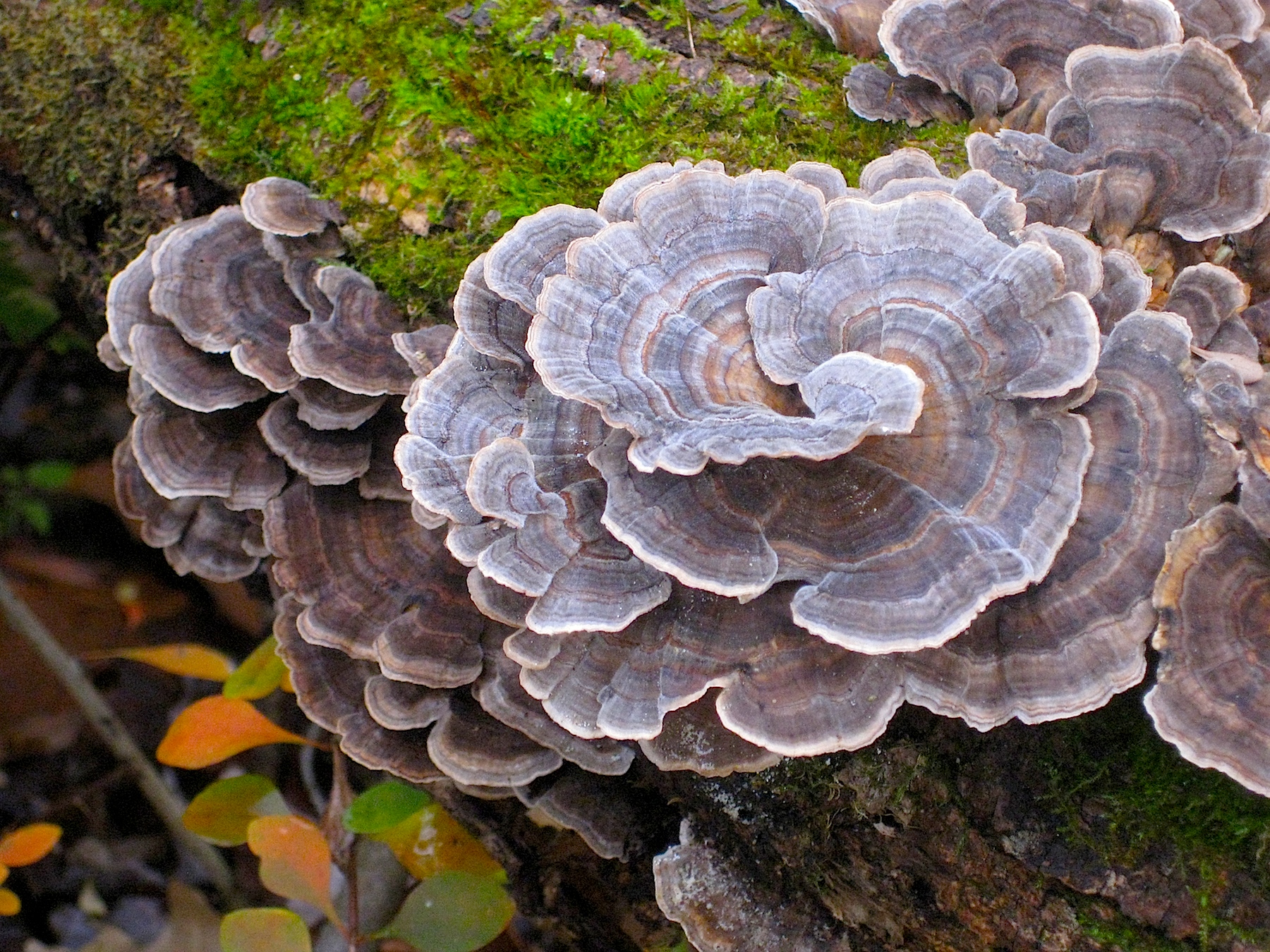
One particular fungus really begins to shine this time of year when hardly a mushroom wishes to poke its fruiting body from the earth. I am referring to the aptly named Turkey Tail fungus (Trametes versicolor).

Turkey Tail is not difficult to locate, as it’s one of the most ubiquitous fungi found in our woodlands. Look around at the logs, stumps, and fallen branches in your neck of the woods – and you may eventually discover Turkey Tail. It’s not necessarily edible (too tough), though it sure is medicinal.

One particular study found that Turkey Tail can improve immune system status in immuno-compromised breast cancer patients following conventional cancer treatment (Torkelson et al., 2012). These findings are extremely important, as the study was not conducted on animals, nor in petri dishes, but rather on living human subjects.

A more recent human trial (again – not in animals, nor in petri dishes) found that a polysaccharide extracted from Turkey Tail mycelia displayed prebiotic effects in the human microbiome (stimulating the growth and maintenance of beneficial intestinal bacteria). In the same study, participants who were instead fed Amoxicillin (an antibiotic) demonstrated detrimental shifts towards more pathogenic bacteria in their microbiome, with effects lasting up to 42 days after their final antibiotic dose (Pallav et al., 2014).

Antibiotics are among the most commonly prescribed drugs used in conventional medicine. According to the CDC, up to 50% of all antibiotics prescribed are not needed or not optimally effective. The threat of antibiotic overuse is massive, of which the worldwide problem of antibiotic resistance is but one manifestation. Additionally, Clostridium difficile infections are on the rise due to overuse of antibiotics, leading to numerous preventable deaths.

A wise first-line strategy would be to optimize our intestinal flora as best we can, and it seems that Turkey Tail may be able to help. Its medicine is easy to acquire. Hot water decoctions can be created and sipped as a tea, or simmered in broth and consumed as a soup. Additionally, dual extractions can be created, first in alcohol, then in hot water, and finally combined.

Turkey Tail is a great mushroom to hunt in the late autumn and winter months. While there are look-alikes, most are benign. Happy fall foraging!

(Photo taken November 1st in western Pennsylvania)


Leave a comment

Maitake Mushroom For Inflammatory Bowel Disease

maitakeIBDwildfoodism

Colono-protective … is that even a word? The maitake mushroom don’t care, because it knows what it is … colono-protective, or demonstrating protection against inflammation and ulceration of the colon.

Research from Experimental & Molecular Medicine (2009) found that a maitake mushroom water extract ameliorated colon inflammation in animals by suppressing production of TNF-alpha, an inflammatory response promoter involved in IBD (inflammatory bowel disease). According to the researchers, “The results strongly suggest [maitake water extract] is a valuable medicinal food for IBD treatment, and thus may be used as an alternative medicine for IBD.”

I’d like to see the “alternative” status promoted to “primary,” and perhaps if future research demonstrates similar results, we’ll see this shift happen.

For now though, it’s quite easy to produce similar medicine at home. Decoct a few tablespoons of maitake in hot water, strain, and enjoy as a hot tea. Additionally, maitake can be incorporated in soup stocks, allowing its medicine and rich flavor to become extracted over several hours of simmering.

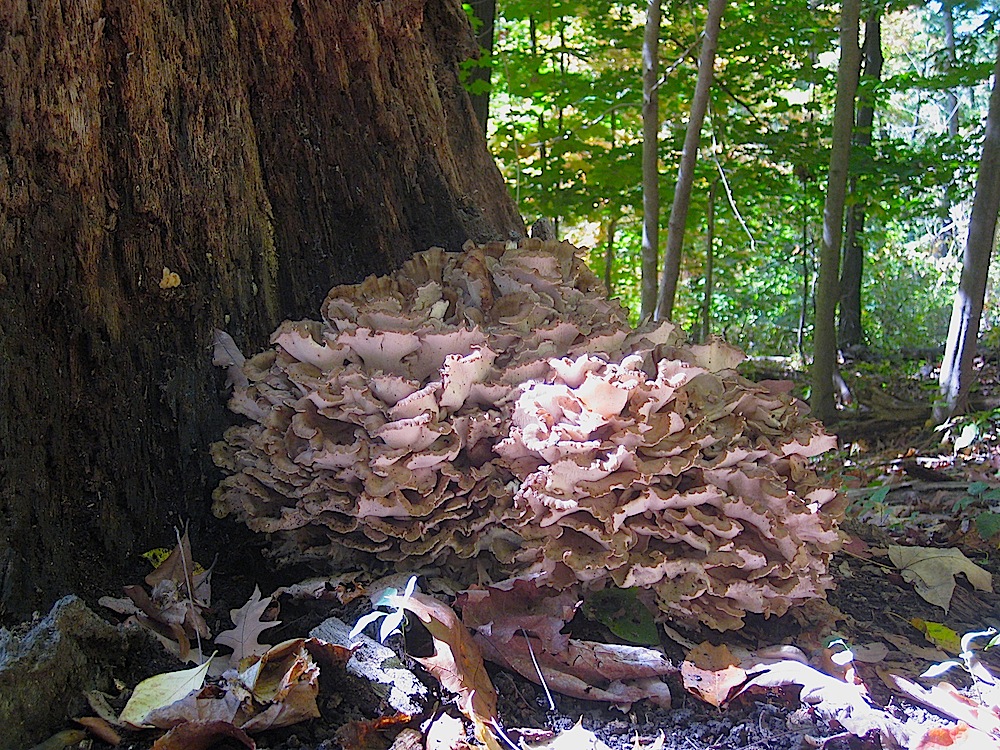
By the way, if you’re interested in harvesting maitake mushrooms (Grifola frondosa for the Linnean crowd), they’re one of the “safer” fungi inhabiting our forests in western Pennsylvania (though their season is just about over this time of year). For more information, check out http://wildfoodism.com/2014/10/07/5-easy-to-identify-edible-mushrooms-for-the-beginning-mushroom-hunter/


Leave a comment

Autumn Medicine – Yarrow (Achillea millefolium)

yarrowwildfoodism

Autumn is in full force, and while this season is typically associated with the senescing of flora, if we look closely we will also notice a yang to this season’s yin: the blossoming of autumn wild flowers.

This is yarrow (Achillea millefolium), an herbaceous perennial that can be found flowering typically from June through September in Pennsylvania. If you look carefully, and if the conditions are right, you can still find yarrow in flower amongst the autumn foliage through November.  This photograph was taken in western Pennsylvania in late October.

Several traditional uses have been attributed to yarrow by cultures from all over the world, the most common including the treatment of skin issues, respiratory illnesses, digestive problems, tooth aches, and eye problems. Most of the studies on yarrow have been either animal or in vitro (think petri dish/test tube) experiments, and in these studies yarrow has been shown to demonstrate antibacterial, anti-inflammatory, gastroprotective, and blood coagulation inducing effects (Applequist et al., 2011).

Few, if any, human clinical trials have been conducted on yarrow, though this current reality does not render the herb’s medicine ineffective. Contemporary advice is best viewed through multiple channels, traditional use and modern research being two of them. Too often, we rely on the latter at the expense of the former (low fat diets anyone?), and are left with an unbalanced projection of reality.

But anyway, look for yarrow in fields and roadsides, from now until who really knows when … (I’m not the creator, just a messenger).


Leave a comment

Honey mushroom (Armillaria mellea complex)

honeymushroomwildfoodism

Ah yes, I’m glad these woods carry honey mushrooms. And look, freshly stocked … no line either!

Well, maybe I shouldn’t consider it a “good” thing, as honey mushrooms are known to be some of the most aggressive mushrooms in nature, parasitizing trees and eventually causing their destruction. I’ll rephrase my opening statement to “It is what it is.”

Honey mushrooms are part of a species complex (Armillaria mellea complex), incorporating at least a dozen distinct species. They share characteristics, however, that can be used to tell them apart from other mushrooms in separate genera: Honey mushrooms have a veil (unless they’re ringless honey mushrooms … a separate species), they usually contain small dark hairs on the cap, they grow in clusters on wood – though the wood may be buried, and their spore print is white.

They’re a prized edible, somewhat resembling shiitake mushrooms (cooked, of course). They’re also quite medicinal. Research has shown that a water-soluble polysaccharide from the honey mushroom exhibits a potent tumor inhibitory effect on human lung cancer cells (Wu et al., 2012). The mycelia (the fungal “root-like” network) possesses an antibiotic compound, armillaric acid, that is effective against gram-positive bacteria and yeast (Obuchi et al., 1990). Honey mushrooms also contain the biologically active compounds tryptamine, L-tryptophan, and serotonin (Muszynska et al., 2011).

This is not generally considered a “beginner’s mushroom.” It may be confused with the deadly Galerina (Galerina marginata), which, as its name suggests, is one of the most poisonous mushrooms in the forest (and was growing not too far from this spot). The deadly Galerina is more fragile than a honey mushroom, has a smoother cap, and produces rusty-brown spores. For positive identification, field guides are great, though trusted mycological identifiers are the best.

Long live the autumn mushroom season!


Leave a comment

Paw Paws (Asimina triloba) In Pittsburgh

pawpawfruitwildfoodism

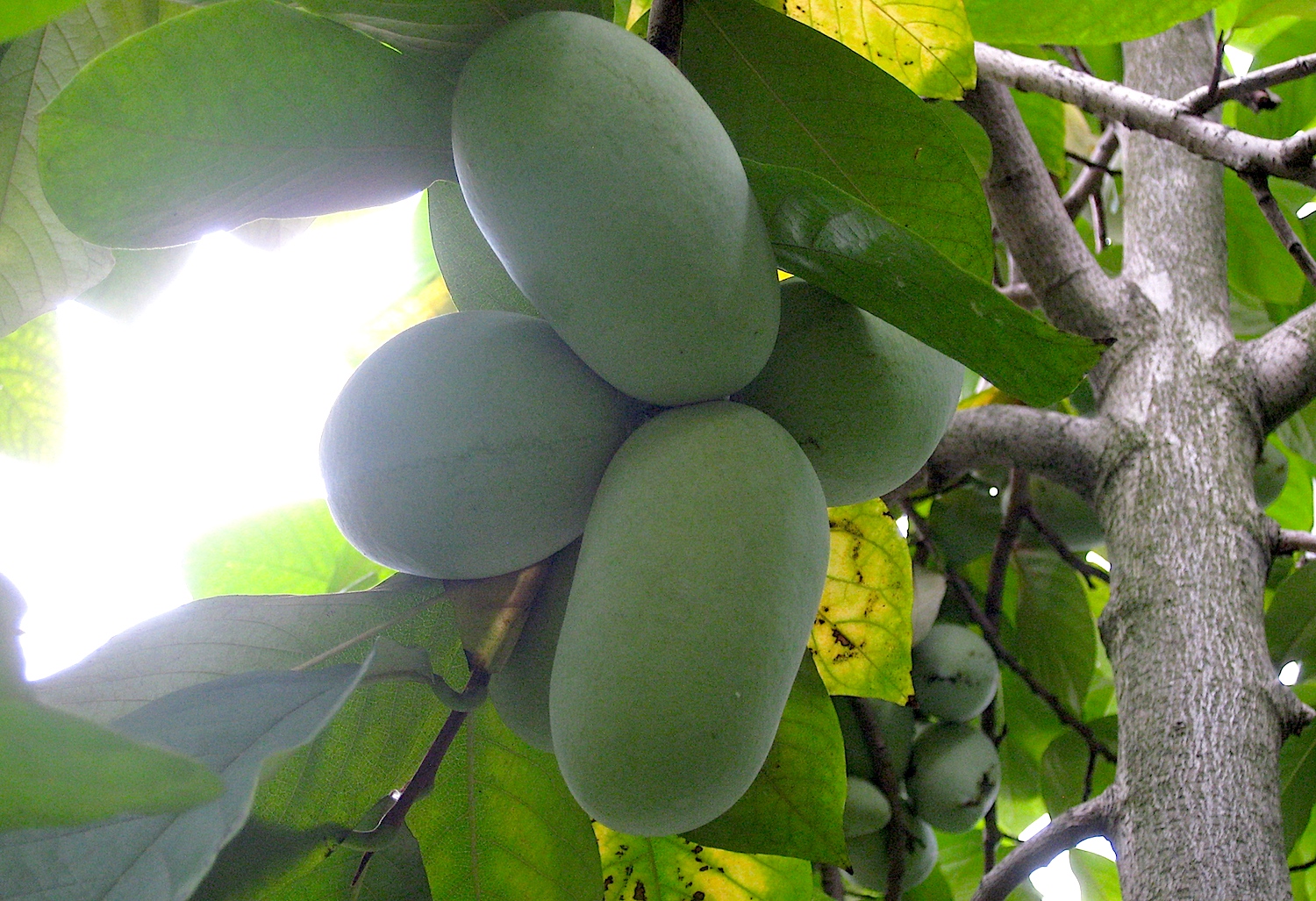
The paw paw fruits have been falling in western Pennsylvania the past few weeks (if you’ve never experienced one, ask a friend to share his/her secret spot! … just kidding, that will never work).  The fruits, which are actually berries, taste somewhat like a cross between a banana and a mango … no surprise, as they are taxonomically placed in the custard apple family.

Beyond edibility, the native paw paw (Asimina triloba) … yes, this tropical-tasting fruit is native to the United States … is quite medicinal: the fruits, perhaps, but more so the twigs.

One particular group of active compounds found in Asimina triloba includes the acetogenins.  These are long chain fatty acid derivatives with a wide variety of biological activities.  Research suggests that these acetogenins are cytotoxic against lung, breast, and colon cancer cells (Zhao et al., 1993).

Additional research has evaluated the effects of paw paw extracts on patients with cancerous conditions.  According to McLaughlin et al., “It is apparent that the paw paw extracts are an effective supplement for the regulation of cancers of various types” (2010).

Acetogenins are poorly soluble in water, so a hot water decoction (tea) would not be the best method of extraction.  An ethanol (alcohol) or lipid extraction would be best.

To do this, crush twigs of the paw paw tree, combine 1 part twigs to 2 parts organic vodka, and let the mixture sit in a glass jar for a few weeks (I like to set extractions on the new moon, and pull on the full moon 6 weeks later).  Strain, and bottle your tincture.

Of course, this medicine may not be right for everyone, and by no means is the paw paw tree the long-awaited remedy for cancer.  However, this may all be good information for those who actually need it.

Use your intuition … that’s good medicine right there.  I’ll be gathering more paw paws today if you need me ….


Leave a comment

5 unique health benefits of the maitake mushroom

maitakewildfoodism

Common dietary advice almost always includes some variation of the phrase, “Eat more fruits and vegetables for good health.”  Pick up most diet books, talk to the health professionals, and look at the research:  fruits and vegetables are nutritional superstars.

Less often do we hear the phrase, “Eat more mushrooms for good health,” and if we look at the research, one may wonder why we neglect to include our fungal friends in the dietary limelight.  Perhaps we tend to lump them into the category of vegetables (this is what I was taught to do in my nutrition classes, for example, when creating meal plans), though if we study the biology of mushrooms, they more closely resemble fruits in their reproductive roles.  Or perhaps here in the United States, mushrooms just haven’t found their way into our national cuisine (though edible fungi have been on this continent far longer than bread and boxed cereal).

Whatever the reason, it’s all a bit unfortunate.  Many mushrooms are quite nutritious, and many are medicinal.  I’ve previously written about the nutritional benefits of morel mushrooms, and would now like to explore the world of yet another equally impressive fungal ally.

The maitake mushroom (Grifola frondosa), also known as “sheep’s head” or “hen of the woods,” is a polypore that grows at the bases of oak trees.  In addition to its culinary versatility (one of my favorite choice edibles from the fungal kingdom), the maitake mushroom has been researched extensively for its nutritional and medicinal effects…

Read the rest of this post here.


Leave a comment

The medicine in chicken mushroom, Laetiporus sulphureus

chickenwildfoodism

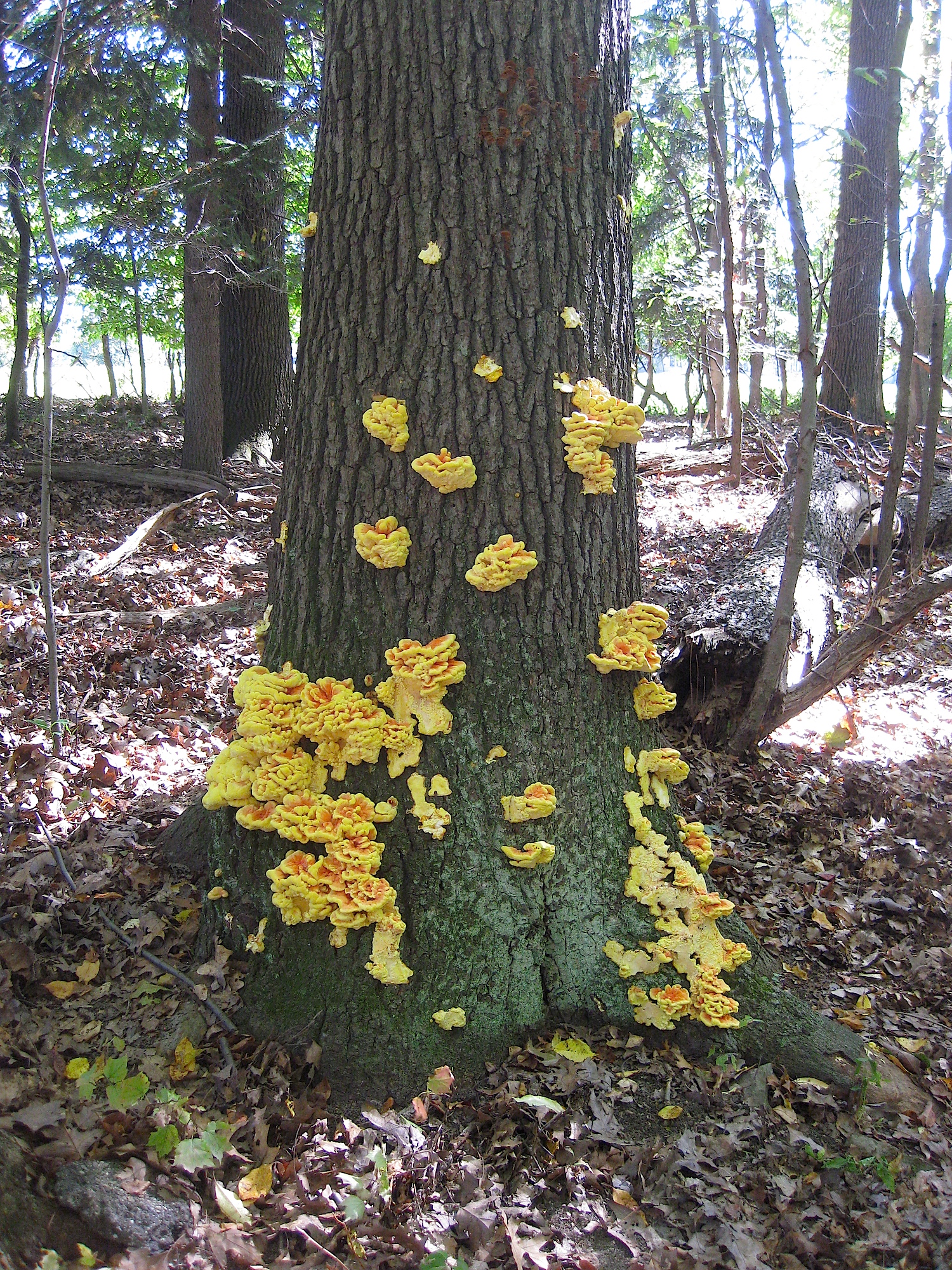
Chicken mushroom (chicken of the woods, Laetiporus sulphureus) isn’t just for the dinner table (if you’re not familiar with this edible fungus, it resembles chicken in taste and texture). Chicken mushroom is quite medicinal, and it’s the perfect way to let food be your medicine, and medicine your food.

Research has shown that an extract from this mushroom possesses antimicrobial activity against the pathogen, Aspergillus flavus (Petrovic et al., 2013). Chicken mushroom is also a great source of antioxidants, including quercetin, kaempferol, caffeic acid, and chlorogenic acid (Olennikov et al., 2011), and it contains lanostanoids – molecules that have the ability to inhibit cancerous growths (Rios et al., 2012). What more could you ask for from a humble saprophyte?

I harvested only a bit (as you can see, another hungry soul found this tree before me). And if you are signed up for the wild edible and medicinal plants workshop near Pittsburgh next week, I’ll introduce you to this tree (let’s hope it’s not completely picked over by then!).