Foraging Pittsburgh

Wild Food Walks, Workshops, & Guided Nature Hikes


Leave a comment

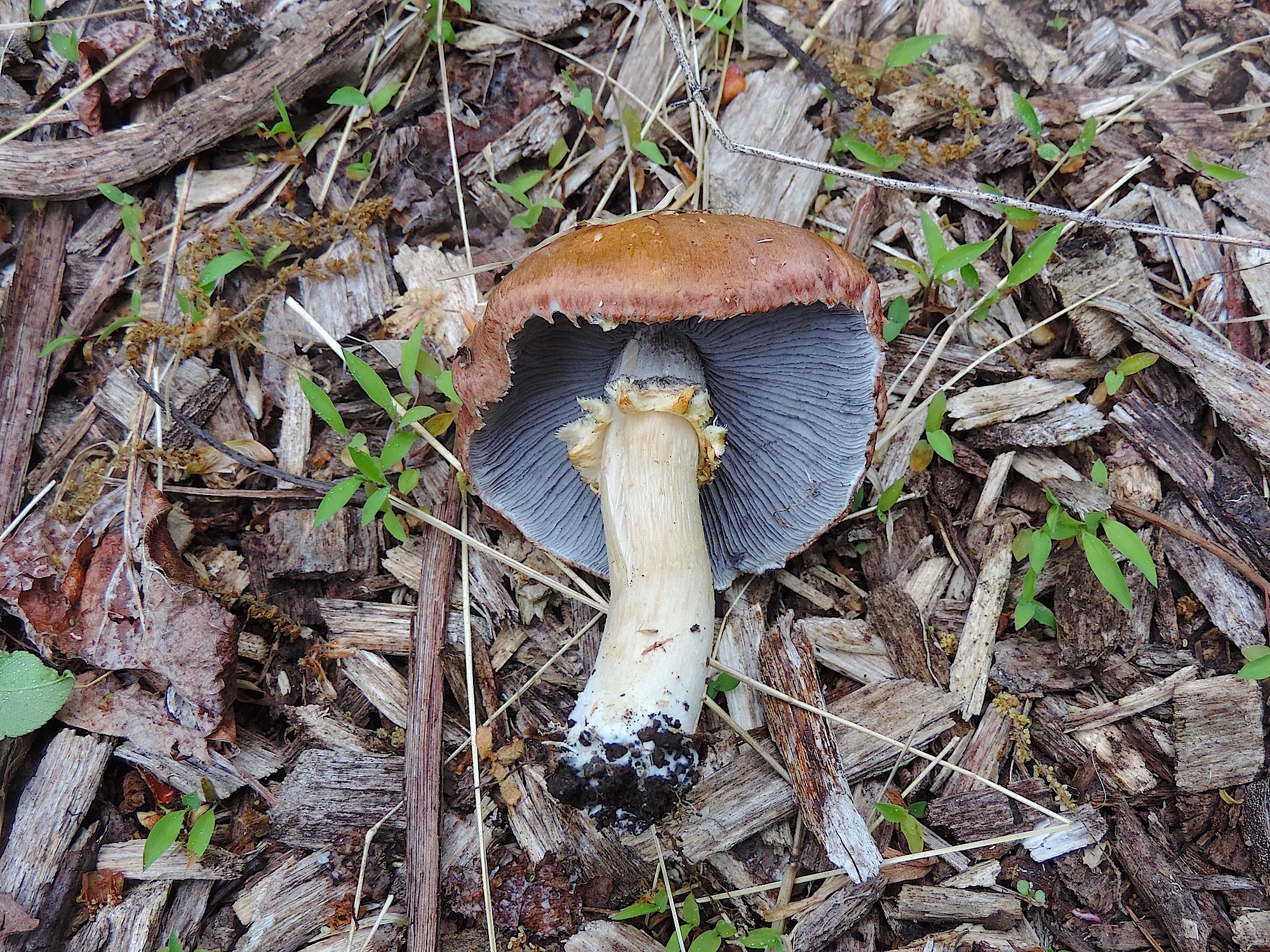
Wine Caps (Stropharia rugosoannulata), Edible And Medicinal Mushrooms

Winecapforagingpittsburgh

And Pennsylvania’s mushroom season continues…

The wine cap (Stropharia rugosoannulata) is an excellent edible mushroom that can be harvested now. Note the reddish/brown cap with lilac gills, and the prominent ring.  Older specimens will fade to a straw-like color with darkened gills.  The spore print is very dark purple/black.

Mushroom hunters like myself aren’t the only ones interested in wine caps.  Researchers dig ’em just as much.

A recent study found that a lectin (a protein that binds to a carbohydrate) from wine caps displayed anti-cancer activity against leukemia and liver cancer cells.  Additionally, this lectin exhibited anti-HIV activity (Molecules 2014).

Other research has found that an exopolysaccharide isolated from wine caps exhibited potent anti-tumor and antioxidative effects (International Journal of Medicinal Mushrooms 2012).

Look for wine caps in mulch piles and wood chips, now through autumn in Pennsylvania.  And tell ’em Adam sent ya.


Leave a comment

Ramps (Wild Leeks, Allium tricoccum ) In Pennsylvania

wildleeks376wildfoodism

Wild leeks (Allium tricoccum), aka “ramps,” need no introduction, though here are a few cool facts regarding this wild spring food:

•The leaves from wild leeks contain at least 1.5 times the vitamin C content of an orange.
•Wild leeks contain medicinal compounds known as thiosulfinates, of which allicin is one. Allicin, a thiosulfinate usually attributed to garlic, possesses antioxidant, anti-bacterial, and anti-viral properties.
•Research from Biological Conservation (2004) suggests that removal of 95% of wild leeks within a plot could take 148 years to fully recover.

I like to harvest a leaf or two from a plant, then move on to the next… always leaving plenty in tact to maintain the population. 

Wild leeks are slow to reproduce and could take years to recover from poor harvesting practices, so hey… always keep the species’ longevity in mind when bringing some home for the table!


Leave a comment

Wild Ginger (Asarum canadense) – A Beautiful Pennsylvania Native Plant

wildgingerwildfoodism

Wild ginger (Asarum canadense) — gotta take your time to really appreciate this one.

The flowers are a bit difficult to view from the top, so when you spot the heart-shaped leaves, get down real low and peer underneath.

The rhizomes smell and taste somewhat like true ginger, though the two plants aren’t closely related.  Use wild ginger in moderation — it contains a compound known as aristolochic acid, which can be carcinogenic and medicinal… depending, of course, on the dose.


2 Comments

Chaga For Colon Cancer

chagatincturewildfoodism

Reason #739 to consume chaga: it may be effective against colon cancer.

That’s what a new study, published in Nutrition Research And Practice (2015), is suggesting. An alcohol extract of chaga (Inonotus obliquus) inhibited the reproduction and DNA synthesis of human colon cancer cells.

According to the researchers, “I. obliquus could be used as a natural anti-cancer ingredient in the food and/or pharmaceutical industry.”

Of course, there aren’t too many studies corroborating these findings, and this particular study wasn’t even performed on a single human being. We’re not petri dishes for crying out loud! Might as well dismiss the findings all together, eh?

Well, no. With a plethora of research showcasing chaga’s diverse suite of medicinal actions, and with a long, rich history of traditional use, common sense and intuition should start to tell us something…

…and guess what that is?


Leave a comment

Spring Greens in Western Pennsylvania – Stinging Nettles

nettlesnorthparkwildfoodism

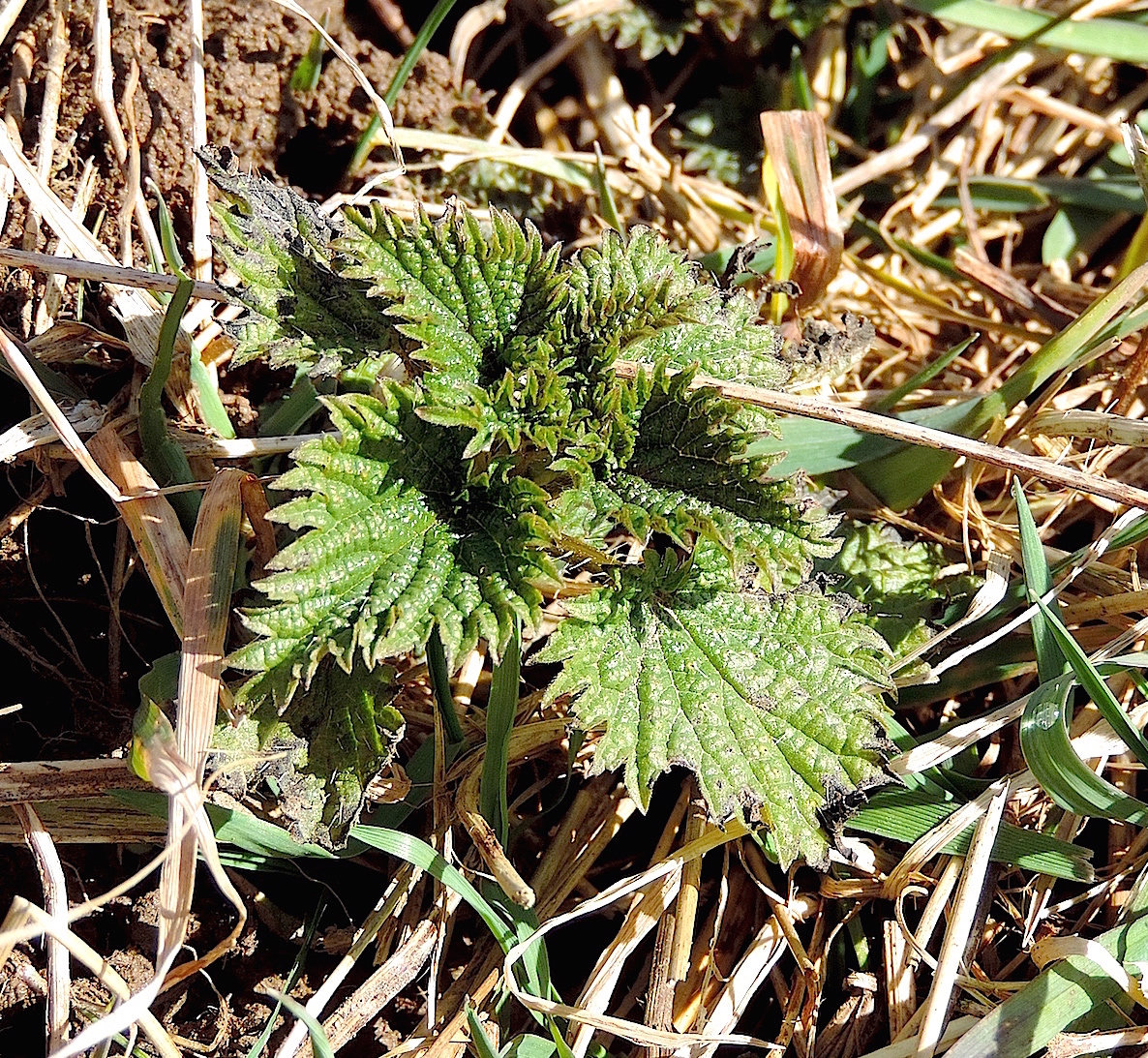
The rewards of a long winter are quite visible now…

Stinging nettles are beginning to pop up all over. They’re much easier to harvest with bare hands when they’re young, though who doesn’t enjoy the occasional injection of acetylcholine and histamine from the matured specimens directly into your fingers? (…legs sometimes, too. And I have to admit, I have sat on them more than once…)

Nettles are some of the tastiest wild greens, they’re nutritious, and they’re quite medicinal, too. Research shows that various parts of the plant may treat benign prostatic hyperplasia (BPH), type 2 diabetes, and allergic rhinitis (allergies).  To learn more about the health benefits of stinging nettles, check out this recent article I created over at Wild Foodism.

Enjoy the seasonal transition while it lasts… it’ll be summer before we know it. Until then, happy spring foraging!

Photo taken at North Park in Allegheny County, Western Pennsylvania.


Leave a comment

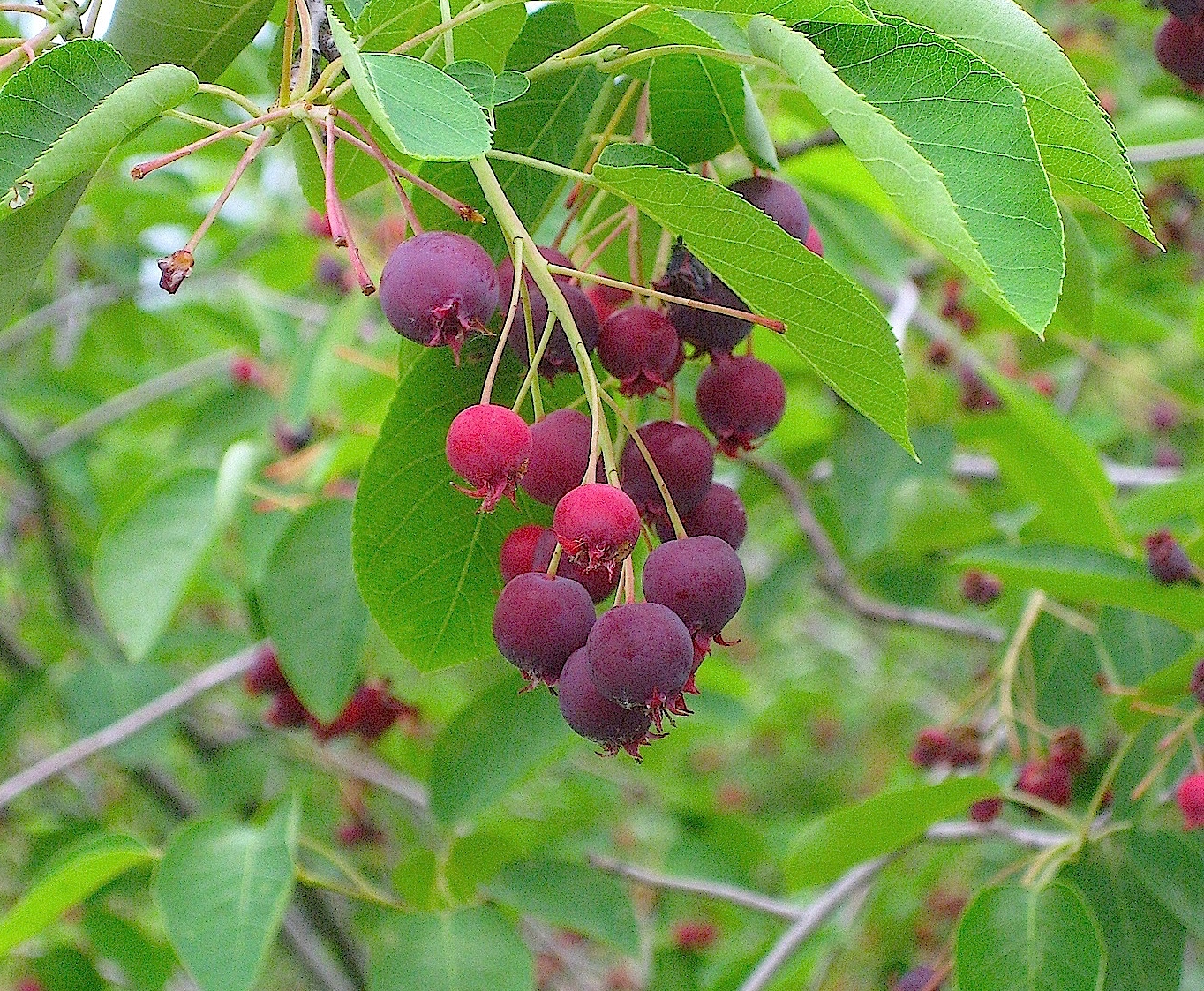
Check Your Backyard First Before Buying Another Superfood

juneberryripe2wildfoodism

I know what you’re thinking.  “Oh no, not another article on superfoods…”

Or maybe you weren’t thinking that at all, but now you are because I brought it up.

Or maybe I’m just looking into things a little too much.  Anyway…

I’m not here to proclaim that I have discovered a new miracle food – an ancient plant that sheds unwanted pounds, curbs your appetite, supercharges your immune system, and contains so many antioxidants that the concept of infinity seems miniscule in comparison.

Foods like that probably exist, but I’ll let someone else sell you on them.

Rather, my intention in writing this article is a bit different.

If you’ve felt confused over all the superfood hype – not sure which Amazonian berry should go into your morning smoothie; considering if it’s really worth spending $29.99 on 3 ounces of powdered fruit that contains more vitamin C than 12,000 oranges – I’m here to say, “It’s okay.”

Really, it is.  Your health can flourish with or without these products.

Phew, take a breath.  I just saved you some serious cash!

However,  I’m not going to let you off the hook that easily.  If I did, my writing would be done for the day, but I would also be doing everyone a big disfavor…

Read the rest of this article at Wild Foodism


Leave a comment

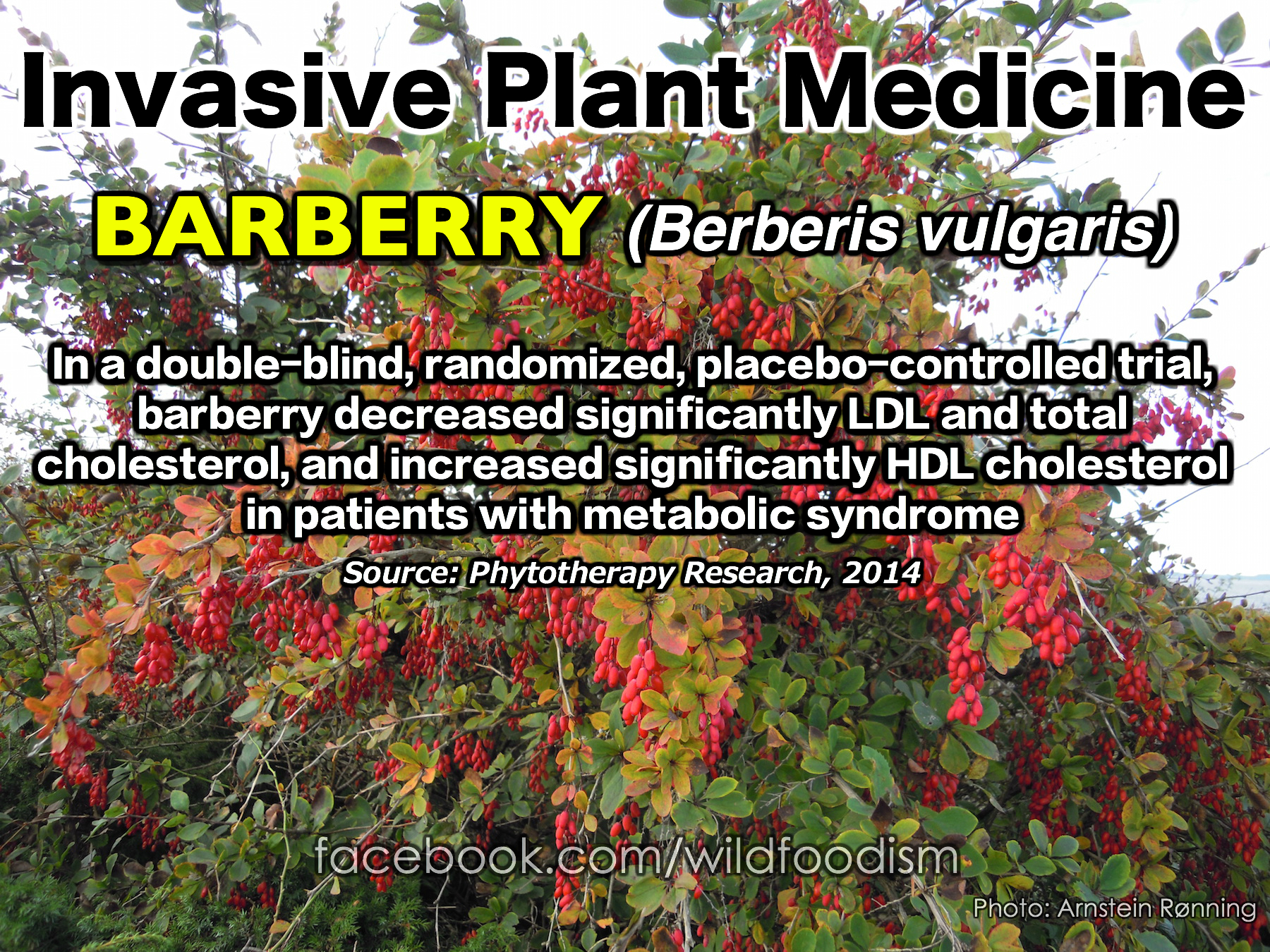
Barberry (Berberis vulgaris) Lowers LDL, And Raises HDL Cholesterol

Berberisvulgariswildfoodism

Native to Europe and western Asia, common barberry (Berberis vulgaris) is considered invasive in many American states.  This shrub can be found in cultivation, though it tends to find its way into fields, pastures, and disturbed woods here in Western Pennsylvania.

The compound likely responsible for its cardio-supportive effects is berberine, an alkaloid that demonstrates a wide range of pharmacological activities (anti-microbial, anti-inflammatory, anti-cancer).

While berberine is distributed throughout the barberry plant (and throughout the genus), this particular study utilized 200 mg of the fruits in dried form.  If you’re interested in using barberry fruits for medicine, I commend you.  I mean, it’s not everyday that you hear someone say “I’m looking to improve my cardiovascular risk markers by using the wild medicines of my landscape.”

The question, therefore, is not “will it…?” but instead “will you…?”

Anyway… look for the fruits to be ripe late summer through autumn.


Leave a comment

The Many Health Benefits Of Drinking Maple Tree Sap

maplesapwildfoodism

If you’ve ever tapped a maple tree, surely you’ve tasted the fresh sap – unprocessed and unboiled – straight from the tree.

If you have never tapped a maple tree, perhaps you’ve got one of those nice neighbors who generously shares his or her bounty of maple sap.  Or perhaps you’ve even purchased and consumed any of the various “maple waters” on the market today.

And if you have no idea what I’m talking about (…tree sap? What the heck is that?), allow me to put this into context…

Read the rest of this article at Wild Foodism


Leave a comment

The Blushing Wood Mushroom, Agaricus silvaticus, Improves Cancer Treatment

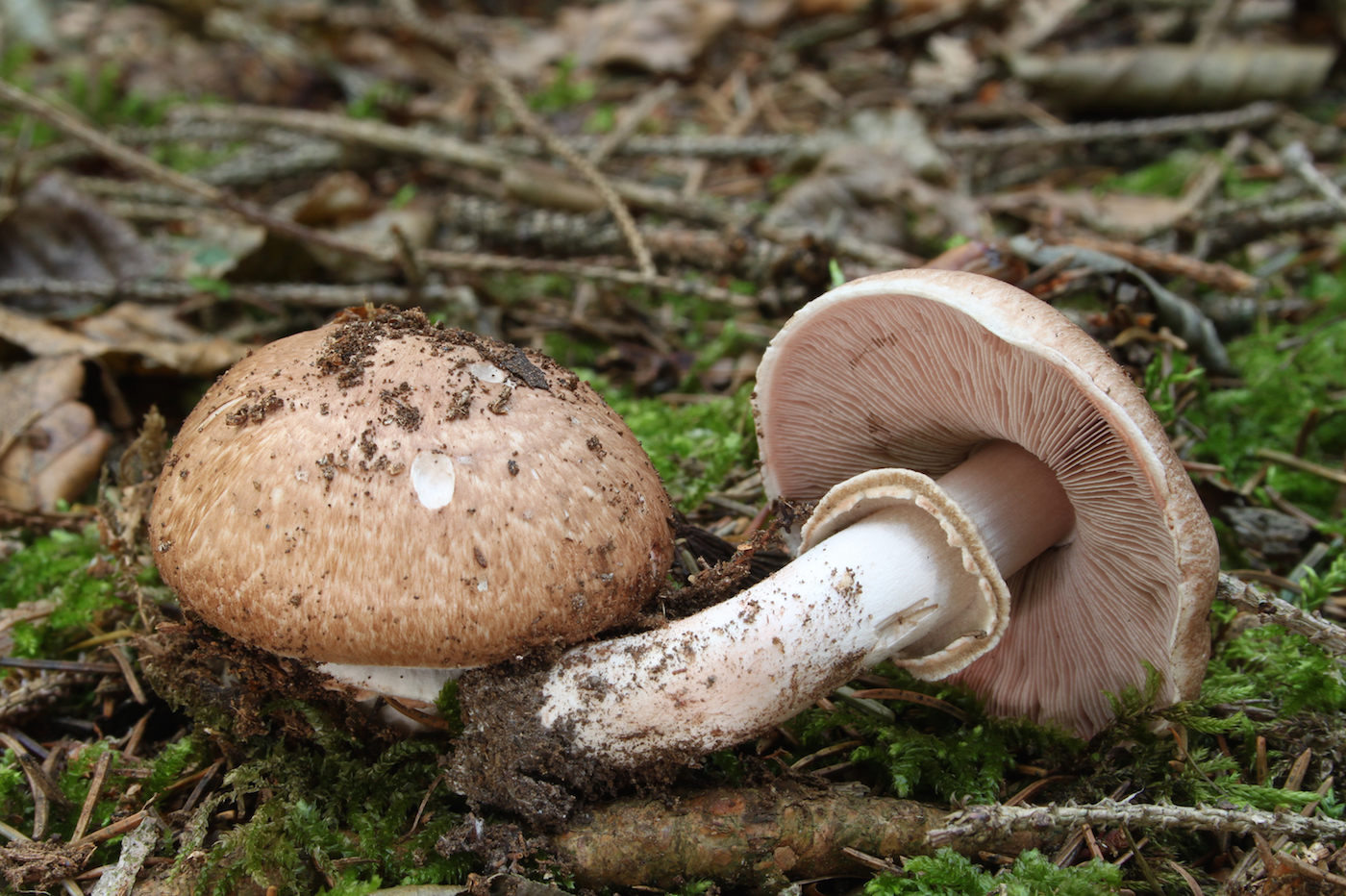
Agaricussilvaticuswildfoodism copy

Credit: Holger Krisp, Ulm, Germany

I’d like to begin this article with 2 very important statistics:

The chance of an American man developing cancer in his lifetime is 1 in 2.

The chance of an American woman developing cancer in her lifetime is 1 in 3.

Pause and think about that for a moment…

…no really.  Think about it.

How did we get here?  Is it bad luck that plagues our species?  (Interestingly enough, a recent study suggested that the majority of cancer cases are due to bad luck, 1)

To me, that seems just a bit nutty, though I’ll leave it at that for now.

Browsing the scientific literature, it’s apparent that numerous variables are involved in cancer development, including pesticides, asbestos, synthetic chemicals in our food, genetics, cell phone exposure, and weight.  The list goes on (2).

Needless to say, many Americans will develop some form of cancer in their lifetime.  And many will take action by seeking conventional medical treatment.  Fair enough.

This is not a website telling people what they should or should not do regarding their health.  I write articles that provide information based on evidence.  What people do with this information is up to them.

Having said that, there’s a mushroom that individuals with cancerous conditions may find interesting…

Read the rest of the article at Wild Foodism


Leave a comment

Birch Polypore (Piptoporus betulinus), A Useful Alternative To Chaga

birchpolywildfoodismcookChaga (Inonotus obliquus) gets all the love, and for good reason: it’s got some fine medicine indeed.

But what if we can’t find chaga, or what if we are interested in protecting its existence in the wild? Well then, we can look to the birch polypore as a useful alternative.

You see, the birch polypore (Piptoporus betulinus) is a fairly common mushroom that generally grows on dead birch trees. I encounter it quite frequently in the forests of Pennsylvania, especially in the winter months.

Interestingly, it contains many of the same medicinal compounds as chaga, notably the triterpenes.

For example, the birch polypore possesses betulin, betulinic acid, and lupeol, and while its content of betulin is much lower than that found in chaga, it contains a significantly greater concentration of lupeol than chaga in certain extracts. Lupeol is a compound that may be useful in treating inflammation and cancer (Saleem 2009).

The birch polypore also contains an anti-inflammatory/anti-microbial compound not detected in chaga, known as taraxasterol (Jasicka-Misiak et al., 2010).

It seems that medicinal diversity is essential for optimal health, and cycling between chaga and the birch polypore (instead of relying solely on chaga) can benefit not only the health of the forests, but our personal health as well.