Foraging Pittsburgh

Wild Food Walks, Workshops, & Guided Nature Hikes


Leave a comment

Winter Tree Identification Tip

juneberrybudswildfoodism

Winter is a great time to practice our tree identification skills.

An easy phrase to learn that will help you identify most trees with an opposite leaf arrangement is MAD-CAP-HORSE:
•Maple, ash, dogwood
•the Caprifoliaceae family, which includes honeysuckle and viburnums
•Horse chestnuts and other buckeyes

To learn more about winter tree identification, check out this free downloadable PDF. It includes numerous species, pictures, distinguishing features, and more!

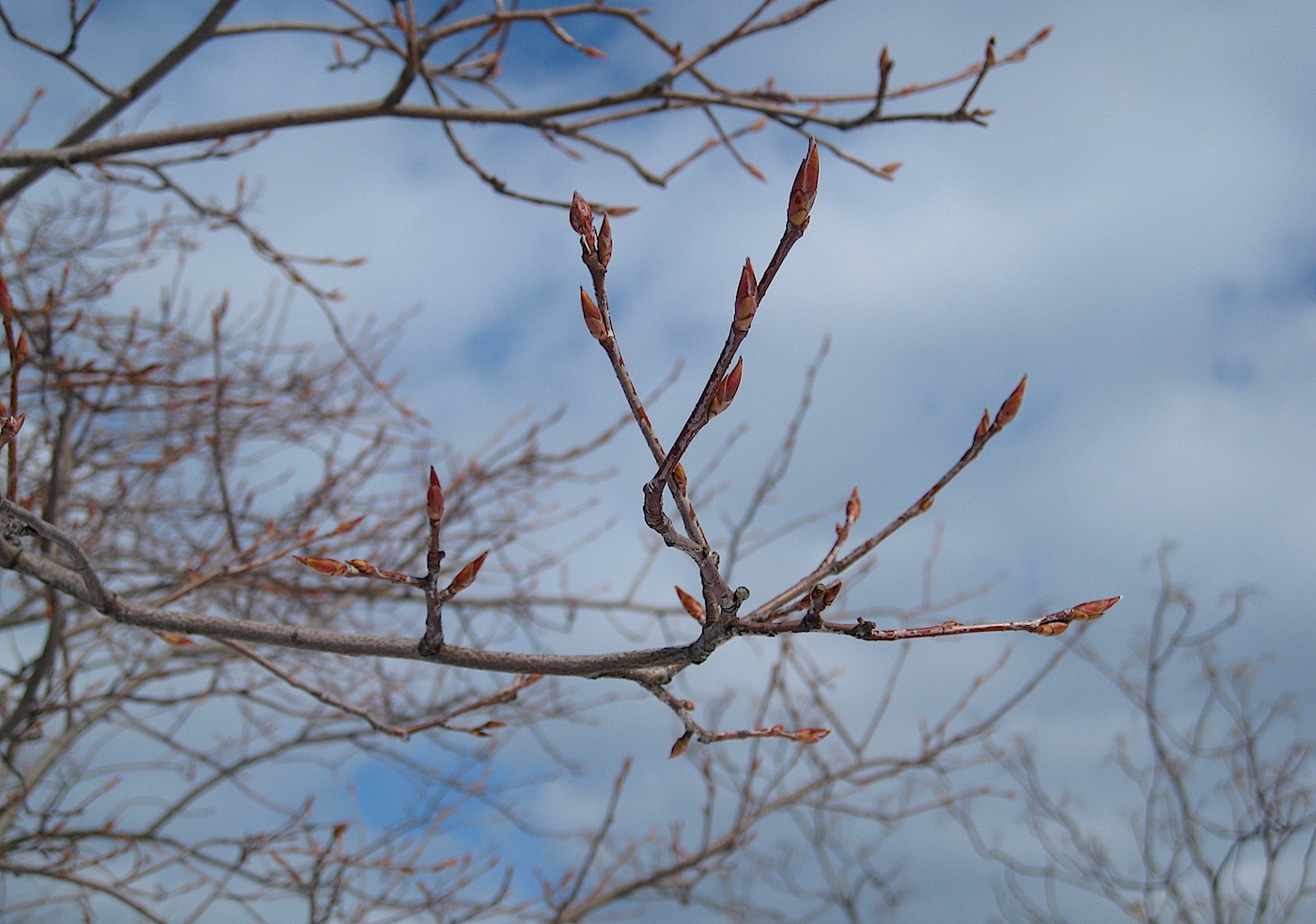
By the way, can you venture a guess as to which tree is pictured here?

If you said serviceberry (Amelanchier sp.), you are correct.  It possesses an alternate leaf arrangement with pointed, reddish winter buds that grow to 1/2″ in length.

Serviceberries are planted all throughout Pittsburgh, offering delicious food not only for the wildlife, but for us as well.  Check your favorite spots in late spring/early summer, and don’t forget to bring your berry basket!


Leave a comment

Homemade Jelly From Winter Crabapples In Western Pennsylvania

crabapplewildfoodismvert

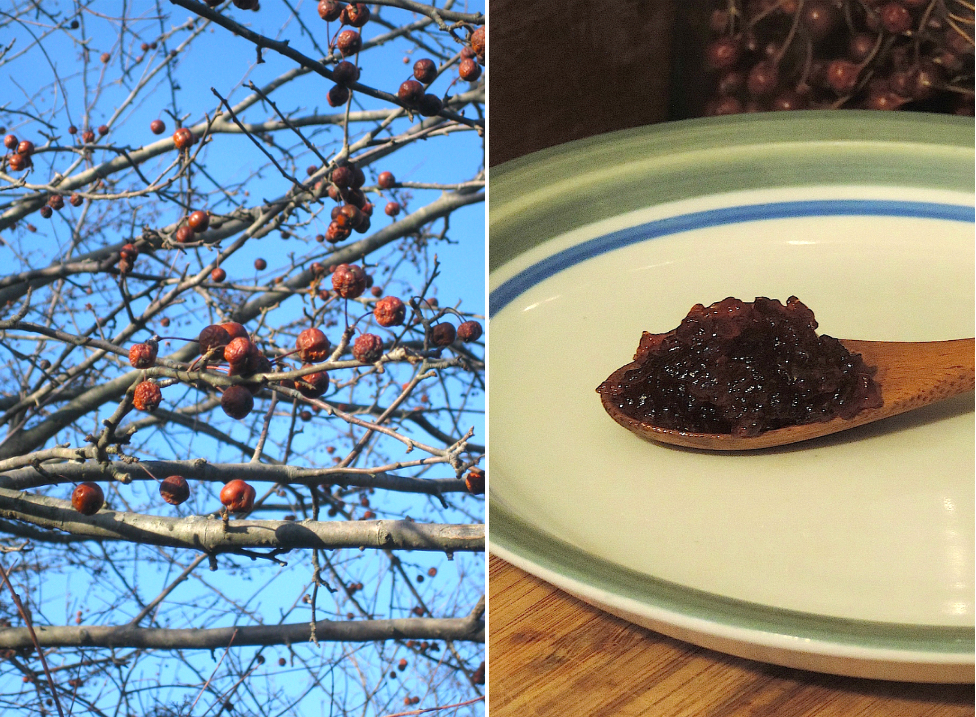
The winter season is no time to forgo foraging. Plenty of food can be harvested from the winter landscape – for example, these crabapples (Malus sp.).

Sure, they may not look as exquisite as they once did a few moons ago, nor are they as large and unblemished as the variants of Malus we find in the grocery store. These, however, have character – a disposition uniquely carved by wind, ice, and snow.

To enjoy these fruits, I decided to create a crabapple jelly. Cinnamon, cardamom, and a splash of maple syrup were all that I added to the recipe, and the natural pectin was enough to produce the desired thickness.

Beyond edibility, crabapples are packed with nutrition and medicine. The deep red and purple pigments found within their fruits, leaves, and flowers owe their colors to antioxidants known as anthocyanins. Necessary for the plant’s survival, these antioxidants are essential for optimal functioning within our bodies as well.

Quercetin, a flavonoid in crabapples, has been shown to possess anti-cancer, anti-viral, anti-inflammatory, anti-bacterial, and muscle-relaxing properties (Jan et al., 2010). Additionally, pectin – the gelling polysaccharide – has been shown to demonstrate cholesterol and triglyceride lowering activities (Boyer et al., 2004).

No need to lament the changing season … enjoy the winter harvest for all that is offered! Crabapples and other fruits can still be gathered this time of year in western Pennsylvania, offering – in addition to their nutrition and medicine – tenacity and resilience built from their wild environments.


Leave a comment

Hairy Bittercress (Cardamine hirsuta) – Winter Medicine In Pennsylvania

hairybittercresswildfoodism

It’s not too difficult to find a member of the mustard family (Brassicaceae) in the grocery store (kale, broccoli, radish, canola oil, horseradish, etc.). It’s not too difficult to find one in lawns, parks, woods, swamps, farmlands, meadows, and backyards either.

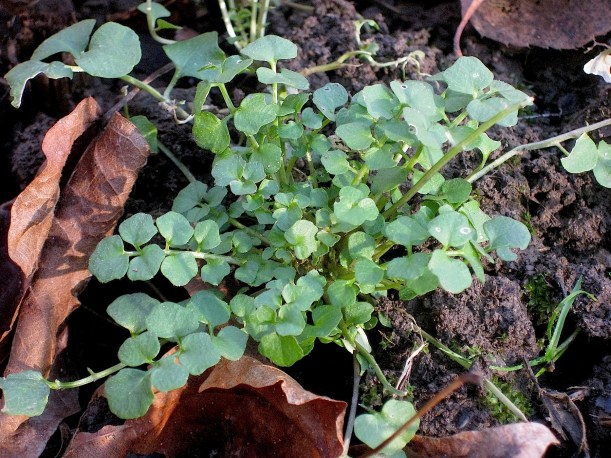
Hairy bittercress (Cardamine hirsuta) is one of those cruciferous vegetables we can find with ease in Pennsylvania … even this time of the year. True to its name, the stems, petioles, and upper surfaces of its leaves are sparsely hairy (look closely, you’ll see it).

Many cruciferous organisms provide a nice kick to the palate when eaten. This bitter taste (very apparent in the wild mustards) is created by certain sulfur-containing chemicals within the plants themselves, known as glucosinolates.

These compounds, along with their metabolites, help to facilitate detoxification within our bodies, especially in the processing and removal of xenobiotics (chemicals that are foreign to our bodies). Glucosinolates and their metabolites also act as anti-tumor agents (Johnson 2002).

Members of the Brassicaceae family are ubiquitous in nature (over 3,000 species worldwide). It may be a wise strategy to include some of these edible and medicinal allies into our diets, as studies have shown that increased intakes of cruciferous vegetables are associated with a reduced risk of prostate cancer (Kolonel et al., 2000), colon cancer (Voorrips et al., 2000), lung cancer (Feskanich et al., 2000), and breast cancer (Terry et al., 2001).

And of course, studies routinely show that wild plants generally contain higher levels of nutritional and medicinal compounds than cultivated plants.

Meaning, in addition to kale and broccoli, get out there and harvest bittercress and other wild mustards!

In a world with 84,000+ synthetic chemicals released into the atmosphere since 1975; in a world where the risk of a man and woman developing cancer in their lifetime is 1 in 2 and 1 in 3 respectively (stop and think about that for a moment)…

…it is the wild crucifer who acts as protector.


Leave a comment

New Winter Foraging Video Coming Soon!

adamfrickscreenshot

I spent New Year’s Eve shooting a brand new video on the benefits of foraging for food … specifically in the winter months. Sure, it may be cold and blustery in western Pennsylvania during this season, though in this video I outline 3 reasons why we may want to reconsider hanging up the foraging basket.

If you’d like to be among the first to view this video, please sign up for the Foraging Pittsburgh newsletter, where I occasionally send out information regarding wild food nutrition, recipes, resources, walks in the Pittsburgh area, and more.

Look for the video next week!

You can sign up for the newsletter here (though of course you’re free to do as you choose!):

foragingpittsburghscreenshot


Leave a comment

Late Fall Oyster Mushroom (Panellus serotinus) – An Edible Winter Fungus

panellusserotinus2

Scarcity is only a perception, one that I find is eradicated easily by stepping into the forest. Regardless of what the holiday marketers tell you, abundance is all around us … and this abundance requires no down payment. This is what the late fall oyster mushroom has taught me.

No matter the season, no matter the weather … local food is available. Watch the video and you’ll see what I mean.

It’s December and fairly cold here in Pittsburgh, and local food is just a fallen tree away.

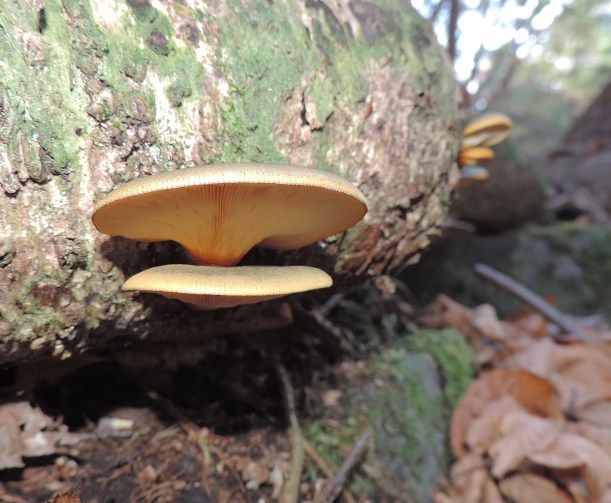
The late fall oyster mushroom (Panellus serotinus) is a cold-weather fungus traditionally eaten in Japan, where it is known as Mukitake. It has a wide distribution in the United States, and is very common in Pennsylvania. It’s a tough mushroom, one that requires slow, long cooking for best texture and flavor. Still, to get wild nutrition and medicine into your body, the late fall oyster mushroom can easily satisfy that need.

Speaking of medicine, research has shown that Panellus serotinus possesses anti-tumor and immuno-modulating activities, like many medicinal mushrooms (Kim et al., 2012). This is primarily due to its concentration of beta-glucans, which can easily be extracted through prolonged hot water decoctions (teas, soups). The late fall oyster mushroom, as shown in animal studies, also displays protection against non-alcoholic fatty liver disease and dyslipidemia (Inoue et al., 2013).

Not bad for a log-decomposer who doesn’t ask for much.

Look for this mushroom on dead hardwood logs and branches, and though its season is slowly dwindling, fruiting bodies are still plentiful this time of year. Colors vary – I’ve seen blends of grey, orange, yellow, and green. Look-alikes include the mock oyster (Phyllotopsis nidulans), though its cap is mostly orange, and its smell is rather unpleasant. Panellus serotinus also resembles the classic oyster mushroom (Pleurotus ostreatus), though the latter rarely contains shades of yellow/orange, can be much bigger, and is a choice edible anyway.

Keep an eye out for late fall oyster mushrooms on your next trek through the woods. And tell them Adam sent ya…


Leave a comment

Rose Hips And Cardiovascular Disease

rosehipcvdwildfoodism

High blood pressure? Elevated cholesterol? Are you consuming rose hips? If you answered Yes, Yes, and No … read on.

Research from the European Journal of Clinical Nutrition (2012) analyzed the effects of rose hip consumption on cardiovascular risk markers. Compared to the control group (no treatment), the participants who received ground rose hips as part of a drink demonstrated significant reductions in plasma levels of total cholesterol and LDL cholesterol (the “bad” cholesterol). Systolic blood pressure (the top number) was also significantly lower than that in the control group. Overall, and this is a key takeaway … the data demonstrated a significant reduction in 10-year risk of cardiovascular disease.

To receive these particular benefits of rose hips at home, here are some important pieces of information taken from the study. 80 grams of rose hips were used, which is approximately 3 ounces, and blended into a drink that was consumed daily for 6 weeks. Rosa canina, the dog rose, was the species chosen for this study (this image is the multiflora rose, or Rosa multiflora). Seeds were removed and discarded, and the remaining flesh was ground to a powder.

The last bit of information is important, as the study’s researchers attributed both the cholesterol and blood pressure lowering effects primarily to the fiber content of rose hips, which is preserved in the ground powder. Teas and tinctures, while still immensely valuable, will not contain the same fiber content (if any at all) as that found in the flesh itself.

Autumn and winter are great seasons to harvest rose hips (meaning right now), and they are quite visible amongst the naked branches and snow-covered vegetation. It goes without mention that they’re free in the wild, and sometimes in your backyard (I’ve never seen a free prescription drug in either of these places).

Of course, there is no replacement for high-quality diet and lifestyle habits, and rose hip powder alone may not save the world from cardiovascular disease. However, as part of an intentional and deliberate strategy to improve cholesterol and blood pressure levels, roses may be just the thing you’re looking for (yes, I did end this sentence with a preposition).

Thanks for reading this far!

(Photo taken in Allison Park, Pennsylvania)


Leave a comment

Brick cap mushrooms, Hypholoma sublateritium, in Pennsylvania

brickcapswildfoodism

Don’t hang your basket up for the year just yet … many mushrooms can still be found in the Northeastern United States (in fact, even in January you can find me mushroom hunting).

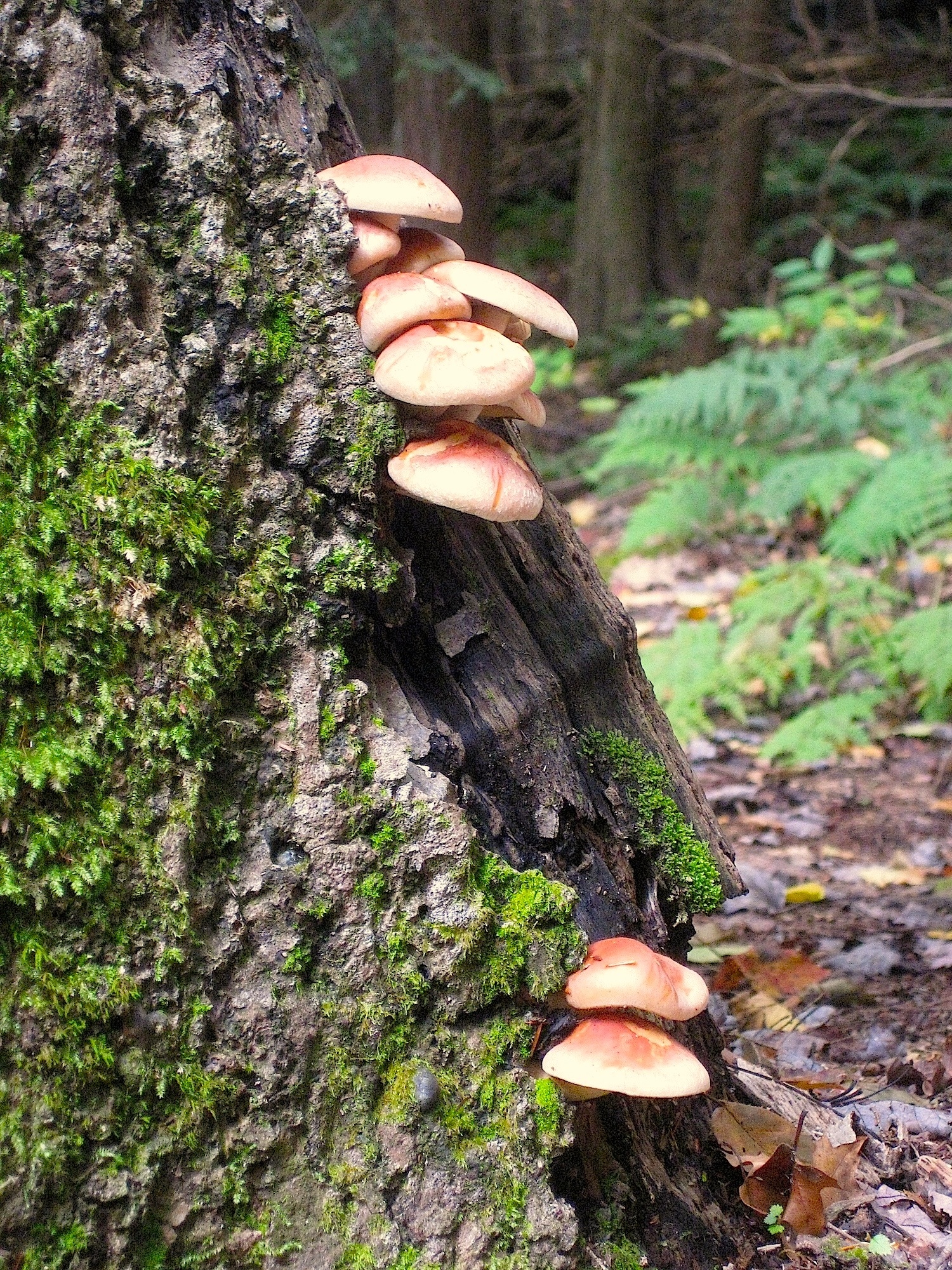
These are brick caps (Hypholoma sublateritium) – edible mushrooms that improve in taste as the year progresses. They can usually be found in the autumn months through winter, though they become less bitter generally after the first frost.

This is not a beginner’s mushroom. Brick caps resemble sulfur tufts (Hypholoma fasciculare), poisonous mushrooms that grow within the same season (I found sulfur tufts not too far from this spot).

Both grow in clusters on decaying wood and produce purple-brown spore prints, though brick caps have reddish caps (paler at the margins) with grayish-purplish brown gills, and sulfur tufts usually have greenish yellow caps with greenish yellow gills (becoming darker with age).

This picture was taken in October, though I am still finding brick caps on stumps here in western Pennsylvania.  Sure, they may be frozen.  Harvest them (if you’re absolutely positive they are indeed brick caps), take them home, and they will thaw in no time.

There are many things for which I am grateful in life … cold-loving fungi definitely make the list.


1 Comment

Turkey Tail Mushroom And Its Medicinal Benefits

turkeytaillogwildfoodism

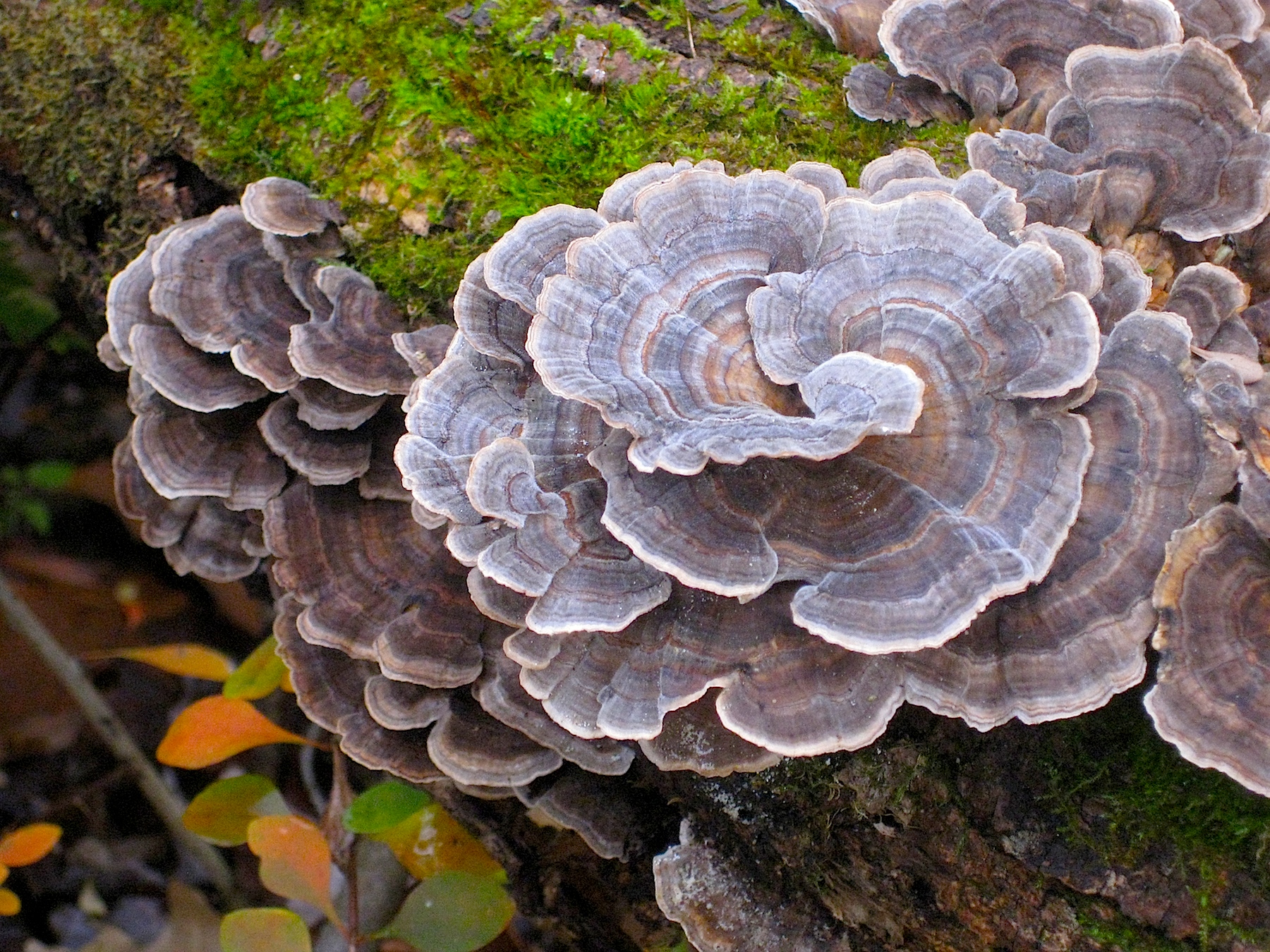
One particular fungus really begins to shine this time of year when hardly a mushroom wishes to poke its fruiting body from the earth. I am referring to the aptly named Turkey Tail fungus (Trametes versicolor).

Turkey Tail is not difficult to locate, as it’s one of the most ubiquitous fungi found in our woodlands. Look around at the logs, stumps, and fallen branches in your neck of the woods – and you may eventually discover Turkey Tail. It’s not necessarily edible (too tough), though it sure is medicinal.

One particular study found that Turkey Tail can improve immune system status in immuno-compromised breast cancer patients following conventional cancer treatment (Torkelson et al., 2012). These findings are extremely important, as the study was not conducted on animals, nor in petri dishes, but rather on living human subjects.

A more recent human trial (again – not in animals, nor in petri dishes) found that a polysaccharide extracted from Turkey Tail mycelia displayed prebiotic effects in the human microbiome (stimulating the growth and maintenance of beneficial intestinal bacteria). In the same study, participants who were instead fed Amoxicillin (an antibiotic) demonstrated detrimental shifts towards more pathogenic bacteria in their microbiome, with effects lasting up to 42 days after their final antibiotic dose (Pallav et al., 2014).

Antibiotics are among the most commonly prescribed drugs used in conventional medicine. According to the CDC, up to 50% of all antibiotics prescribed are not needed or not optimally effective. The threat of antibiotic overuse is massive, of which the worldwide problem of antibiotic resistance is but one manifestation. Additionally, Clostridium difficile infections are on the rise due to overuse of antibiotics, leading to numerous preventable deaths.

A wise first-line strategy would be to optimize our intestinal flora as best we can, and it seems that Turkey Tail may be able to help. Its medicine is easy to acquire. Hot water decoctions can be created and sipped as a tea, or simmered in broth and consumed as a soup. Additionally, dual extractions can be created, first in alcohol, then in hot water, and finally combined.

Turkey Tail is a great mushroom to hunt in the late autumn and winter months. While there are look-alikes, most are benign. Happy fall foraging!

(Photo taken November 1st in western Pennsylvania)


Leave a comment

Harvesting Wild Cranberries In Pennsylvania

wildcranberrycollage

A particular sphagnum bog is a yearly destination of mine in the autumn months. What could be the attraction, you might wonder, of a place so swampy and sodden?

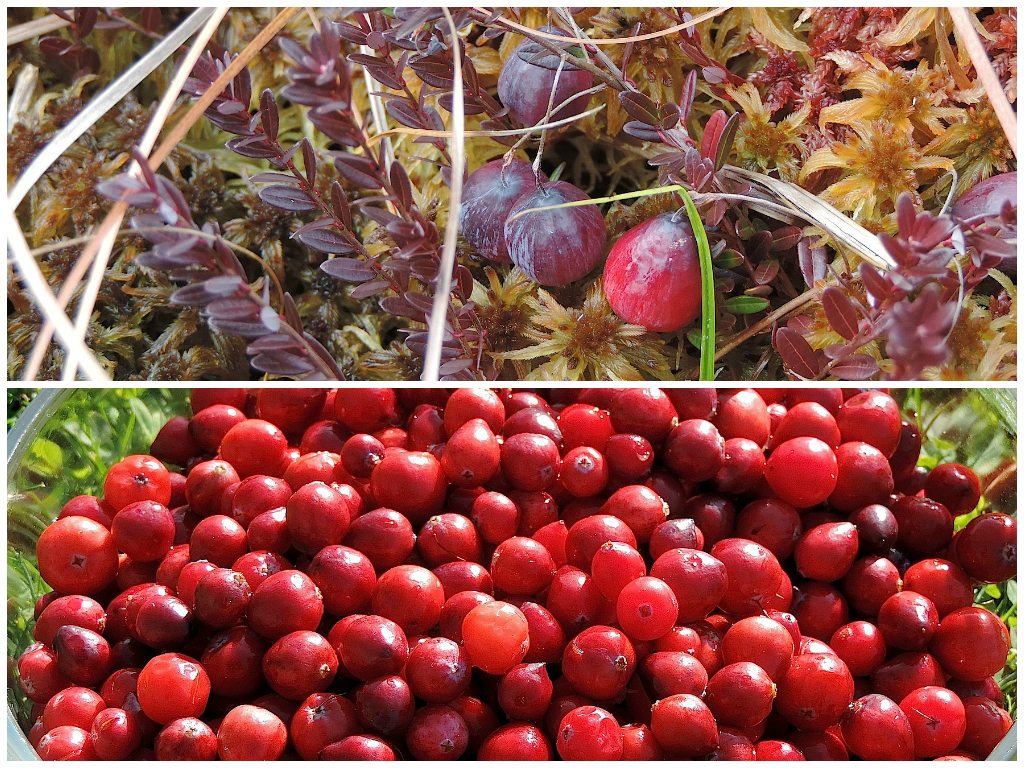
Besides the acknowledgement and appreciation of a habitat so seemingly open and sparse, I head to the bog so I may harvest one of my favorite fall fruits … wild cranberries.

Cranberries (Vaccinium macrocarpon) were a favorite food of the people who inhabited Pennsylvania centuries ago, including the Lenape and Shawnee Natives, though today it seems their presence in the wild has been forgotten. Interestingly, along with blueberries and Concord grapes, the wild cranberry is one of the few native fruits widely grown in cultivation today.

If you’ve never experienced the thrill of locating and harvesting wild cranberries, I can offer some tips:

• Wild cranberries, characteristic of other members of the heath family (Ericaceae), inhabit slightly acidic bogs, swamps, peaty wetlands, and occasionally poorly drained meadows. In other words, they frequent wet lands.
• October and November are great months to harvest wild cranberries, though the fruits can still be found into the late winter months (sometimes frozen, sometimes thawed … still delicious).
• The cranberry plant is a trailing evergreen shrub, laying very low to the ground. Its leaves this time of year are reddish-purple. When looking for the fruits, walk slow and keep your eyes down, as it’s very easy to step on or walk right past the cranberries.

It’s not too late to harvest wild cranberries! I only harvested a fraction of the total amount available (a good foraging practice), leaving some for the bear, rodents, birds, deer, and of course … you.


Leave a comment

Autumn Medicine – Yarrow (Achillea millefolium)

yarrowwildfoodism

Autumn is in full force, and while this season is typically associated with the senescing of flora, if we look closely we will also notice a yang to this season’s yin: the blossoming of autumn wild flowers.

This is yarrow (Achillea millefolium), an herbaceous perennial that can be found flowering typically from June through September in Pennsylvania. If you look carefully, and if the conditions are right, you can still find yarrow in flower amongst the autumn foliage through November.  This photograph was taken in western Pennsylvania in late October.

Several traditional uses have been attributed to yarrow by cultures from all over the world, the most common including the treatment of skin issues, respiratory illnesses, digestive problems, tooth aches, and eye problems. Most of the studies on yarrow have been either animal or in vitro (think petri dish/test tube) experiments, and in these studies yarrow has been shown to demonstrate antibacterial, anti-inflammatory, gastroprotective, and blood coagulation inducing effects (Applequist et al., 2011).

Few, if any, human clinical trials have been conducted on yarrow, though this current reality does not render the herb’s medicine ineffective. Contemporary advice is best viewed through multiple channels, traditional use and modern research being two of them. Too often, we rely on the latter at the expense of the former (low fat diets anyone?), and are left with an unbalanced projection of reality.

But anyway, look for yarrow in fields and roadsides, from now until who really knows when … (I’m not the creator, just a messenger).