Foraging Pittsburgh

Wild Food Walks, Workshops, & Guided Nature Hikes


Leave a comment

5 unique health benefits of the maitake mushroom

maitakewildfoodism

Common dietary advice almost always includes some variation of the phrase, “Eat more fruits and vegetables for good health.”  Pick up most diet books, talk to the health professionals, and look at the research:  fruits and vegetables are nutritional superstars.

Less often do we hear the phrase, “Eat more mushrooms for good health,” and if we look at the research, one may wonder why we neglect to include our fungal friends in the dietary limelight.  Perhaps we tend to lump them into the category of vegetables (this is what I was taught to do in my nutrition classes, for example, when creating meal plans), though if we study the biology of mushrooms, they more closely resemble fruits in their reproductive roles.  Or perhaps here in the United States, mushrooms just haven’t found their way into our national cuisine (though edible fungi have been on this continent far longer than bread and boxed cereal).

Whatever the reason, it’s all a bit unfortunate.  Many mushrooms are quite nutritious, and many are medicinal.  I’ve previously written about the nutritional benefits of morel mushrooms, and would now like to explore the world of yet another equally impressive fungal ally.

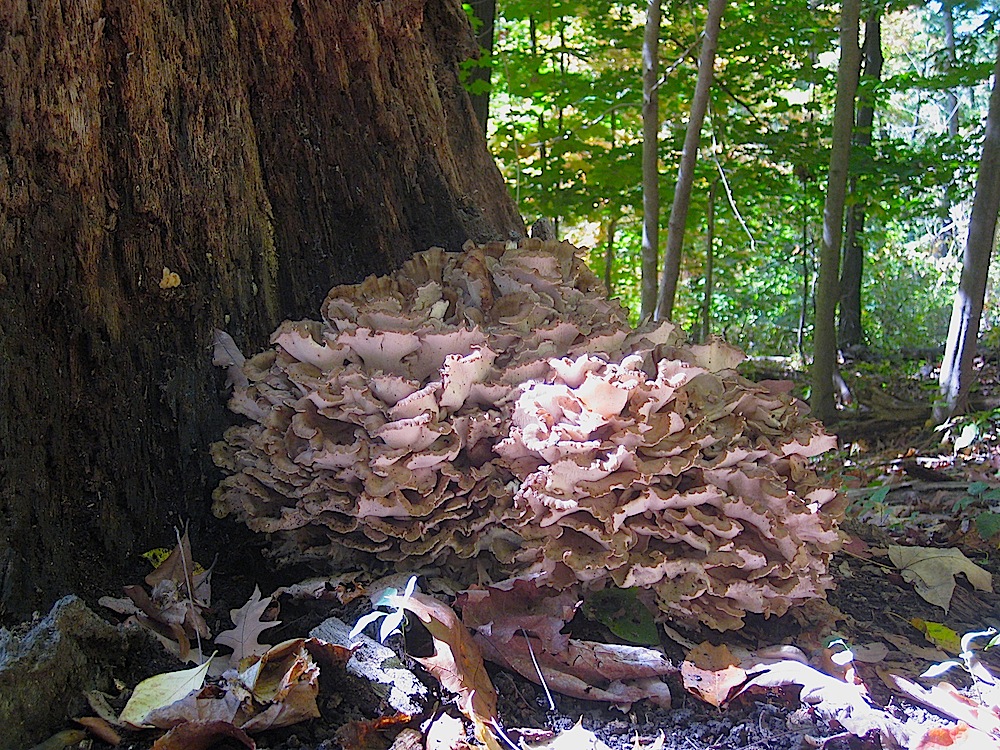
The maitake mushroom (Grifola frondosa), also known as “sheep’s head” or “hen of the woods,” is a polypore that grows at the bases of oak trees.  In addition to its culinary versatility (one of my favorite choice edibles from the fungal kingdom), the maitake mushroom has been researched extensively for its nutritional and medicinal effects…

Read the rest of this post here.

Leave a comment

The medicine in chicken mushroom, Laetiporus sulphureus

chickenwildfoodism

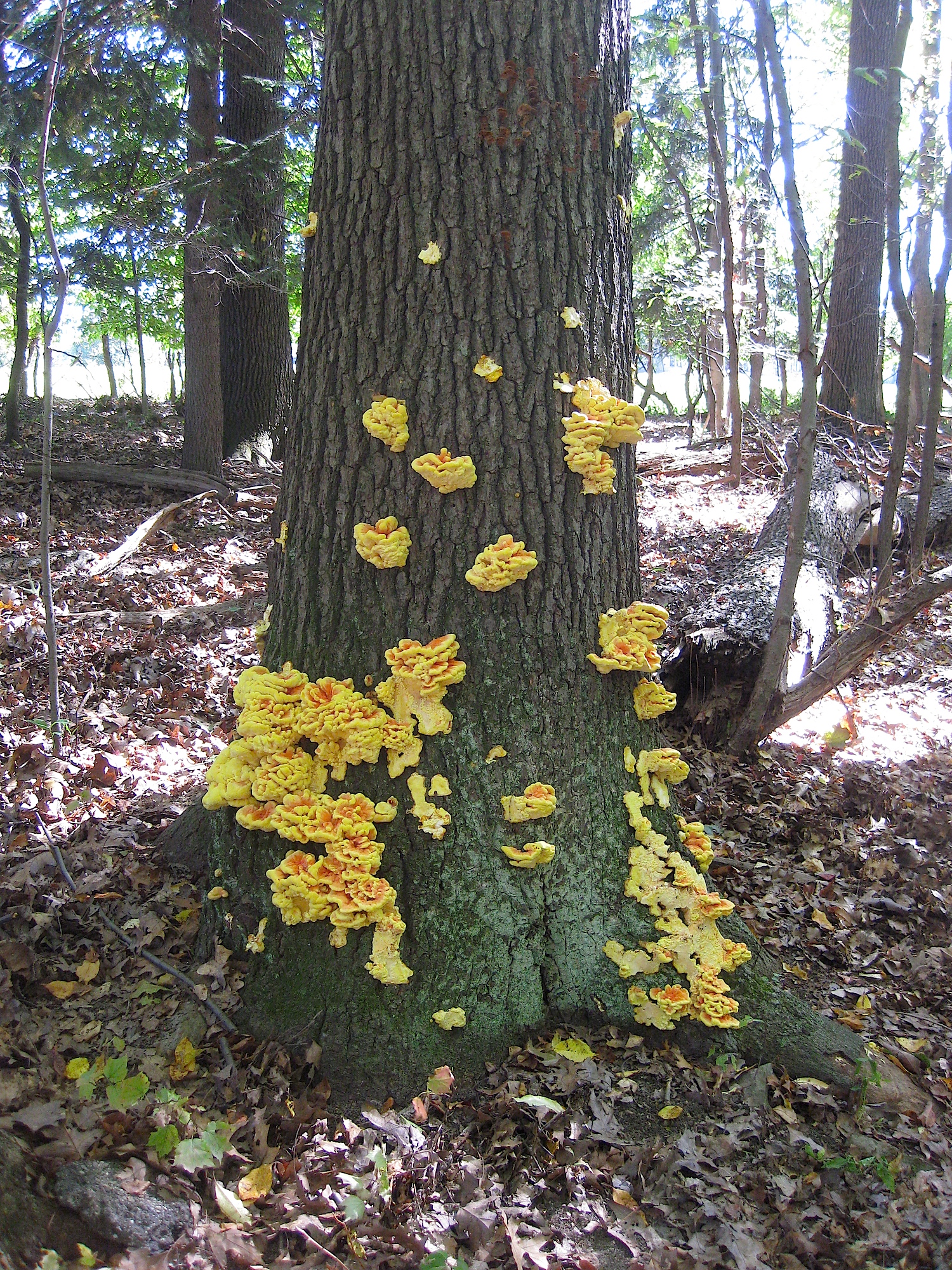
Chicken mushroom (chicken of the woods, Laetiporus sulphureus) isn’t just for the dinner table (if you’re not familiar with this edible fungus, it resembles chicken in taste and texture). Chicken mushroom is quite medicinal, and it’s the perfect way to let food be your medicine, and medicine your food.

Research has shown that an extract from this mushroom possesses antimicrobial activity against the pathogen, Aspergillus flavus (Petrovic et al., 2013). Chicken mushroom is also a great source of antioxidants, including quercetin, kaempferol, caffeic acid, and chlorogenic acid (Olennikov et al., 2011), and it contains lanostanoids – molecules that have the ability to inhibit cancerous growths (Rios et al., 2012). What more could you ask for from a humble saprophyte?

I harvested only a bit (as you can see, another hungry soul found this tree before me). And if you are signed up for the wild edible and medicinal plants workshop near Pittsburgh next week, I’ll introduce you to this tree (let’s hope it’s not completely picked over by then!).


Leave a comment

Bear’s Head Tooth – Hericium americanum

bearsheadtoothwildfoodism

I always feel so lucky when I stumble upon a Hericium in the wild (don’t you?). This mushroom is Hericium americanum, or Bear’s Head Tooth, and is in the same genus as the neurotrophic, cognition-enhancing Lion’s Mane fungus. The latter produces a spine-bearing unbranched fruiting body, while Bear’s Head Tooth is branched with spines reaching up to 4 cm in length.

This edible mushroom has no toxic look-alikes, and makes for great eating (as long as you don’t find it too majestic to harvest).

Look for Bear’s Head Tooth on dead hardwood logs and stumps, summer through fall. This beautiful specimen was found northwest of Pittsburgh on September 20th, 2014.


1 Comment

Amanita muscaria var. guessowii

amanitamuscariawildfoodism

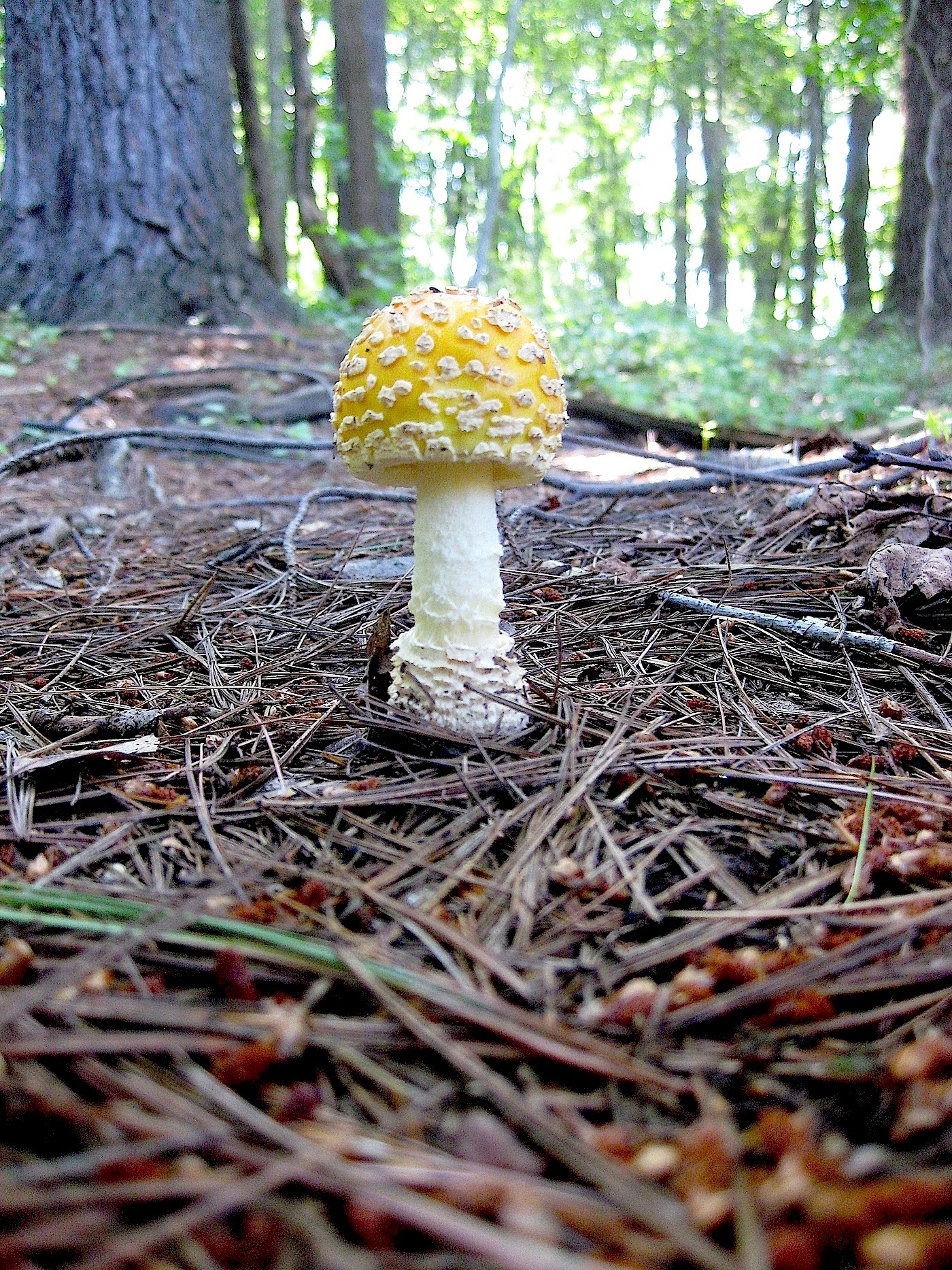
This is Amanita muscaria var. guessowii, a particular variety of the classic European toadstool – the fly agaric mushroom.

It can be toxic, and it can be hallucinogenic … all depending on the dose. Effects on humans vary. Regardless, it’s one of the most beautiful mushrooms and always a pleasure to find on the forest floor (for an interesting read, research the connection between the fly agaric mushroom and the story of Christmas).

This photograph was taken in a hardwood forest outside of Pittsburgh, Pennsylvania.  Look for them in summer and fall under hardwoods and conifers.  Amanita muscaria var. guessowii produces a white spore print.


1 Comment

Vitamin D2 in Chanterelle mushrooms

chanterelle2wildfoodism

Mushrooms contain ergosterol, a fungal cell membrane molecule which, when exposed to UV light, is converted into vitamin D2 (ergocalciferol).

All mushrooms contain ergosterol, and the conversion to vitamin D2 from UV radiation is quite efficient in some more than others. The process of exposing retail mushrooms to extra UV radiation is becoming more common in order to artificially increase vitamin D2 levels.

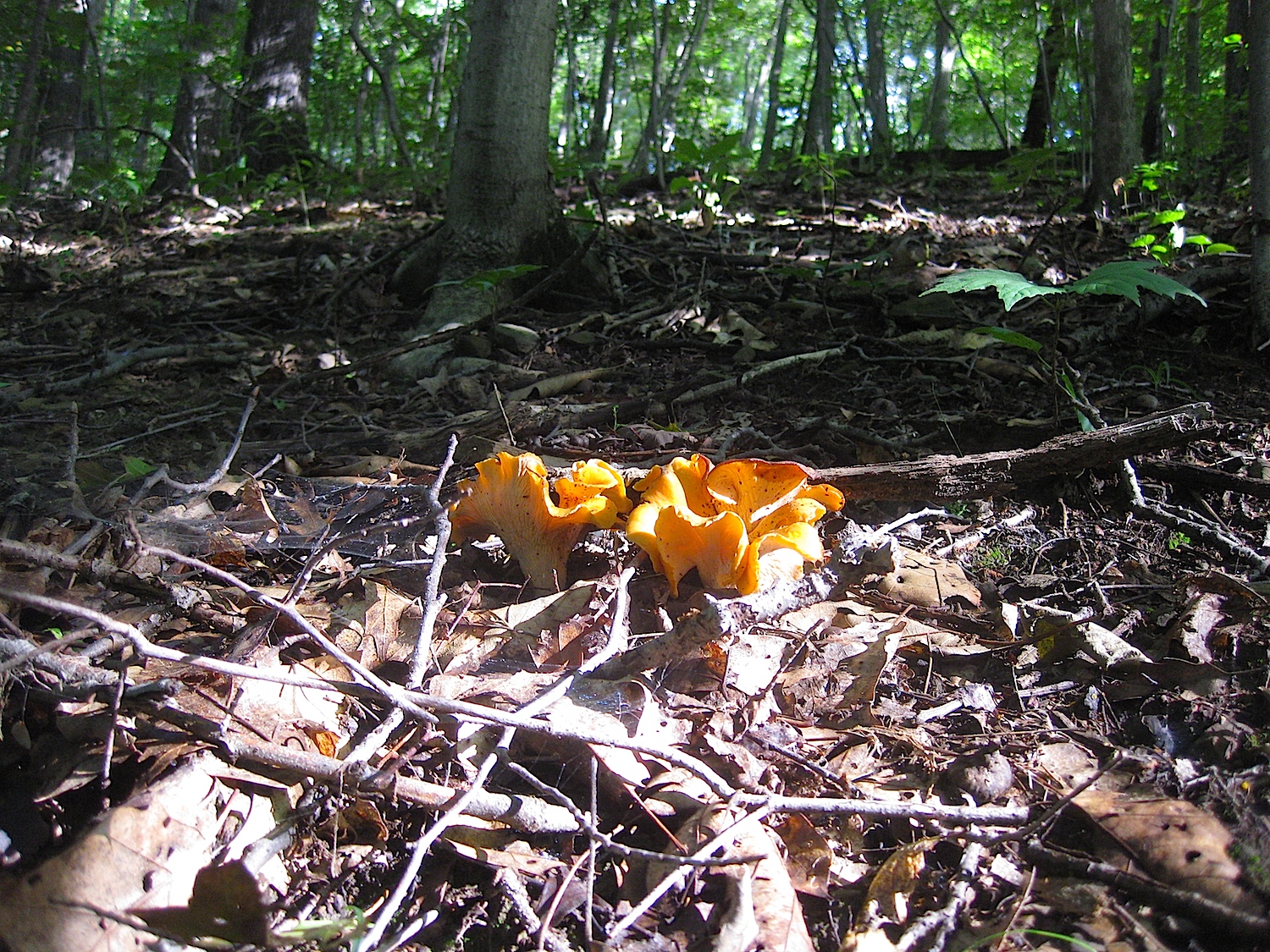
Chanterelles from the wild contain high levels of vitamin D2 due to natural UV exposure … about 212 IU per 100 grams of fresh material.

Pictured here are chanterelles in a state park outside of Pittsburgh, demonstrating to perfection the conversion of ergosterol to ergocalciferol.


Leave a comment

Flat Topped Coral Mushroom, Clavariadelphus truncatus

clavariadelphustruncatus


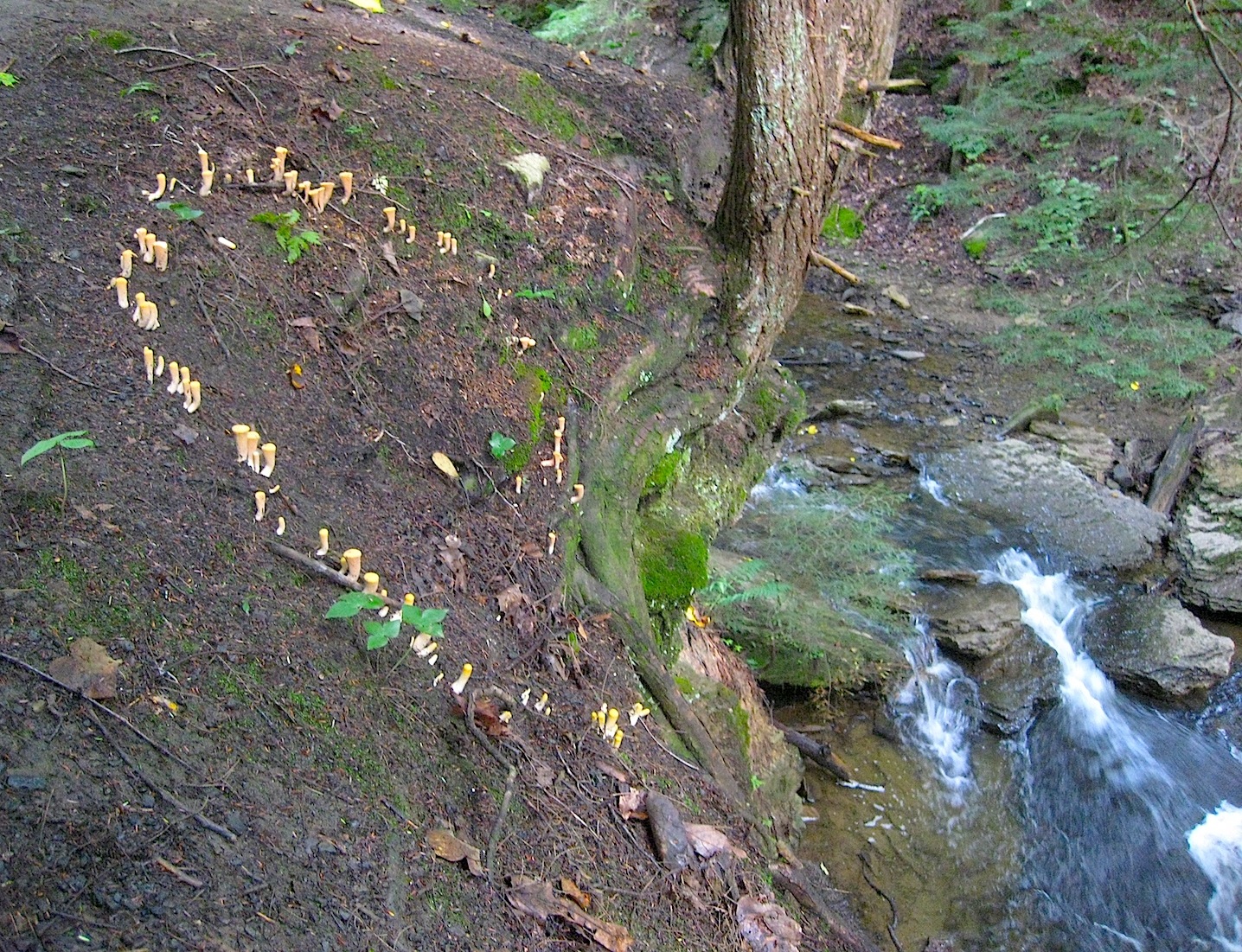
I recently stumbled upon this fairy ring of Clavariadelphus mushrooms, a genus characterized by its club-shaped fungi.

This mushroom is most likely Clavariadelphus truncatus, the “flat topped coral mushroom,” and can usually be found among coniferous woods in late summer and fall. It is shown here growing under the eastern hemlock (Tsuga canadensis).

All species of Clavariadelphus are considered to be edible, though some are much more palatable than others.


Leave a comment

Purple-Gilled Laccaria, Laccaria ochropurpurea

laccaria


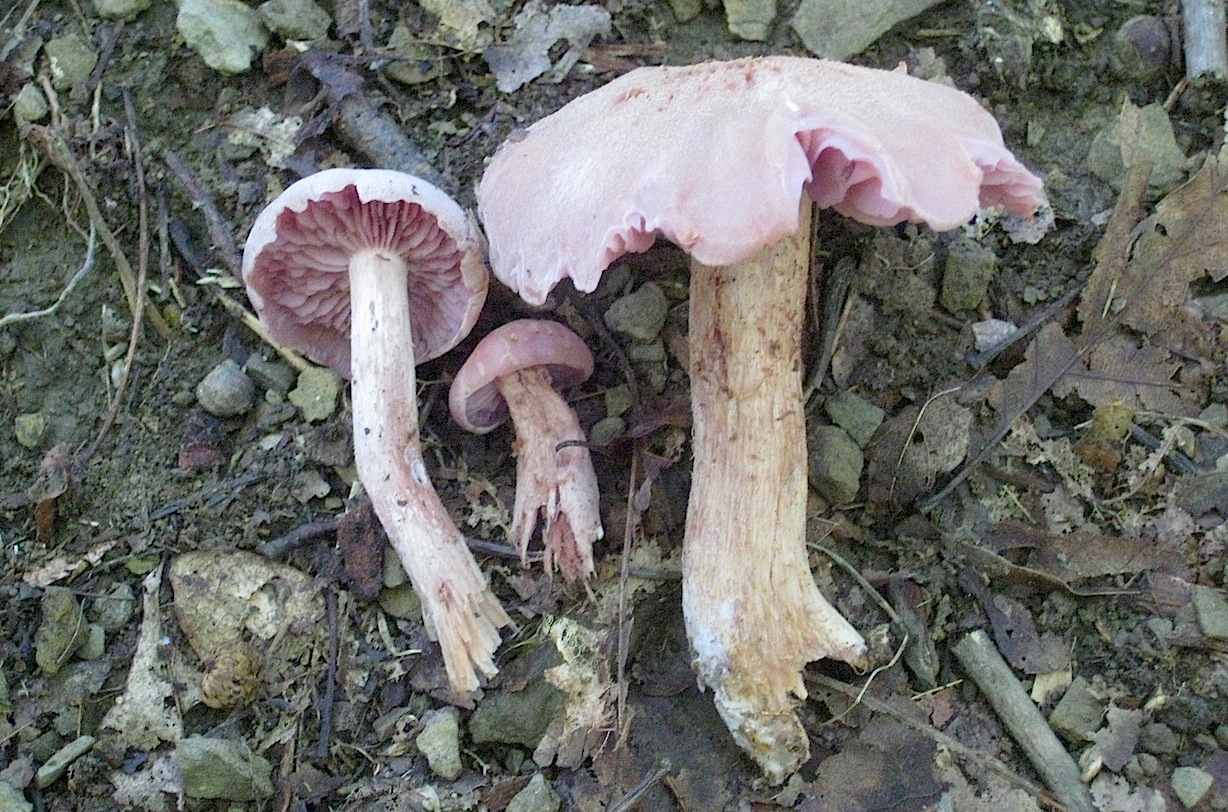
This is the purple-gilled Laccaria (Laccaria ochropurpurea), an edible mushroom usually found among oak trees. These mushrooms may resemble several species of Cortinarius, though the latter produce a rusty brown spore print, and the purple-gilled Laccaria produces a white spore print.

Saute it with some butter or olive oil, throw in some veggies and spices, and enjoy the wildness of your meal!