Foraging Pittsburgh

Wild Food Walks, Workshops, & Guided Nature Hikes


Leave a comment

Bear’s Head Tooth – Hericium americanum

bearsheadtoothwildfoodism

I always feel so lucky when I stumble upon a Hericium in the wild (don’t you?). This mushroom is Hericium americanum, or Bear’s Head Tooth, and is in the same genus as the neurotrophic, cognition-enhancing Lion’s Mane fungus. The latter produces a spine-bearing unbranched fruiting body, while Bear’s Head Tooth is branched with spines reaching up to 4 cm in length.

This edible mushroom has no toxic look-alikes, and makes for great eating (as long as you don’t find it too majestic to harvest).

Look for Bear’s Head Tooth on dead hardwood logs and stumps, summer through fall. This beautiful specimen was found northwest of Pittsburgh on September 20th, 2014.

Leave a comment

The nutrition of Autumn olive – Elaeagnus umbellata

autumnolivewildfoodism

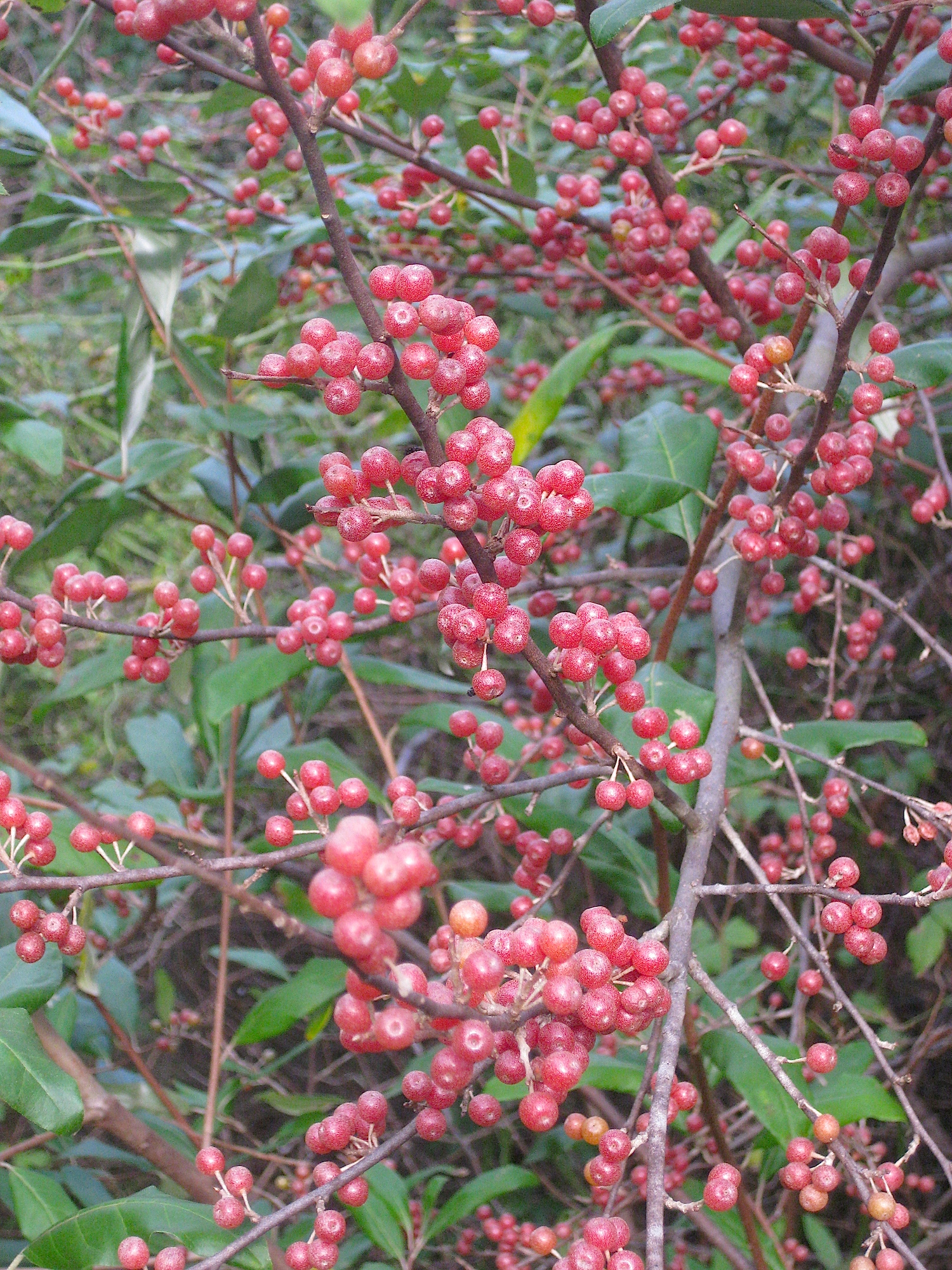
Autumn olive (Elaeagnus umbellata) is a deciduous shrub that produces numerous edible fruits (usually red with silver specks) this time of year. Not only are they delicious, they’re highly nutritious as well.

One study revealed that autumn olive fruits contain up to 17 times the lycopene content compared to tomatoes (Fordham et al., 2001). Lycopene (which almost always gets attributed to tomatoes) is a carotenoid pigment and powerful antioxidant that may protect our bodies from free radical damage, premature skin aging, DNA damage, etc.

The same study found that autumn olive fruits contain up to 10 times the beta-cryptoxanthin content compared to oranges and tangerines. Beta-cryptoxanthin is another powerful antioxidant that can be converted to vitamin A in the body.

I spent the morning harvesting several pounds of these fruits near Pittsburgh, and will enjoy their gifts for many weeks to come. Sad to say you won’t find these tasty drupes in the supermarket, though the chase is more fulfilling anyway. Look for them in open pastures, fields, and along the edge of woodlands.