Foraging Pittsburgh

Wild Food Walks, Workshops, & Guided Nature Hikes


Leave a comment

Western Pennsylvania Foragers Facebook Group

wildcranberrieswildfoodism3

If you’re reading this, perhaps you live in the Western Pennsylvania area!  If that’s true, and if you have a Facebook account, I’d love for you to join a new Facebook group I created, cleverly titled: Western PA Foragers.

If you enjoy the edible and medicinal species that inhabit the beautiful hills, valleys, forests and fields out this way, consider joining the community.  And if you know some friends who would be interested in joining, feel free to invite them!  Thanks! -Adam

To join, click here (then hit the “Join” button)


Leave a comment

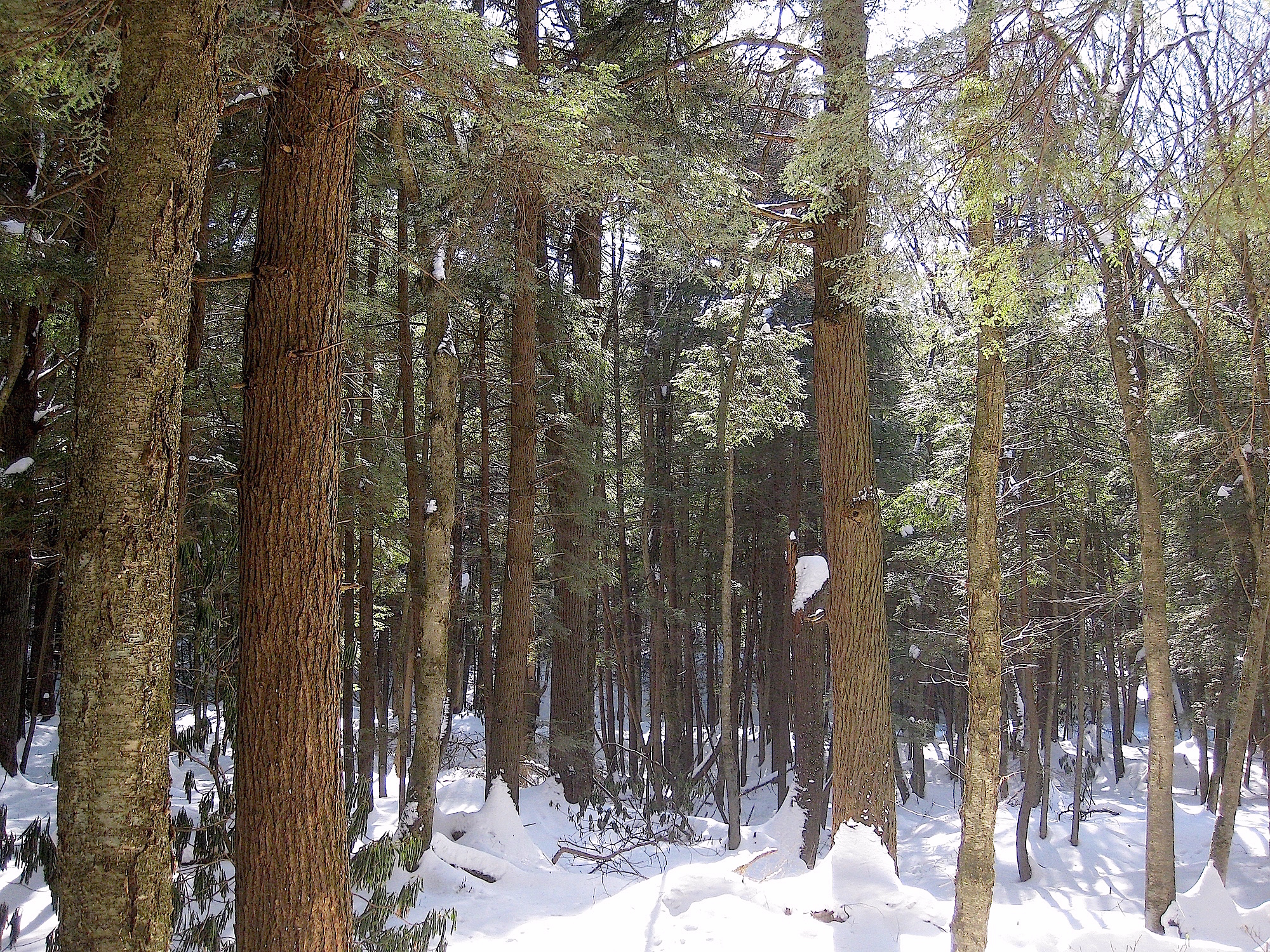
Pennsylvania Once Looked Like This

cookforestwinter2wildfoodism

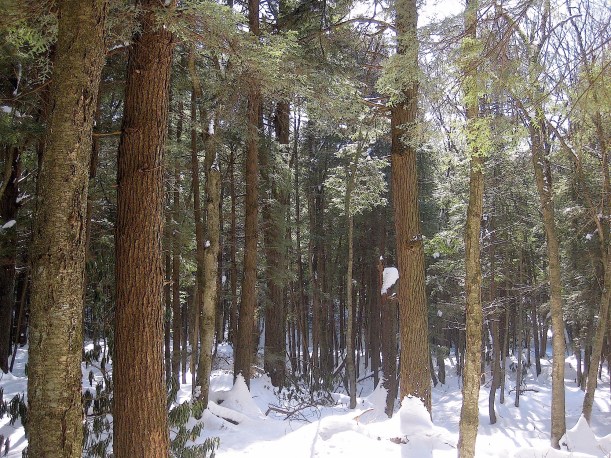
Pennsylvania was once covered in land that looked like this, as recent as only a few centuries ago.

How could it last, though?  Surely, this land was much better suited for development.  For progress!  Lots of roads and cities, houses and apartments, high-rises and strip malls… lots and lots of strip malls – replete with a Big Lots and LA Nails in every single one.

Much of this is gone.  Are you sad?  Why lament, though?  We have stadiums and office buildings, sidewalks, movie theaters, pipelines, and Thai food on every corner.  And don’t forget, we do have suburban and city parks, sprinkled with soccer fields, ice rinks, and tennis courts.

That stuff is… well, it’s okay… but it’s not real.

In those rare moments when you’re not being sold deodorant in a magazine, sold reality in a newspaper, sold financial planning on a billboard…. do you ever stop and think “There’s got to be more to life than this…”?  Ever get the feeling that something is missing?  That something was taken away from you? Hm… you want it back, don’t you?

Well, it’s here.  Yep, it never left.  That thing you crave… it’s in these pockets of undisturbed reality, where the towering hemlocks, pines, beeches, and birches live.  And you know what, you had it not too long ago, and you can experience it once again.

The therapist, politician, and 5 o’clock news reporter will never tell you that your heart longs for the reunion between you and land that looks like this.  Because well, that’s not good for the economy.

You won’t be able to buy anything in land that looks like this.  There’s no shopping to be done.  What could an old growth hemlock $ell you anyway?  Oxygen?  Beauty?  Love?

Well, I must tell you that, should you reacquaint yourself with land that looks like this, you may end up leaving with an empty bag.  Pockets full of pine cones and no cash.  No plastic to unwrap and throw away.  A blank receipt all along…

Kinda like how you came into this world.  And kinda like how you’ll exit:  nothing to own, not even your self.

But I’ll tell ya this.  You’ll leave with a heart full of meaning… of ultimate fulfillment.  You’ll get that feeling of reuniting with the childhood friend you’d sip root beer with on your parents’ porch decades ago as 5 year old initiates to this life… no news to discuss except whether or not the salamander will come out from under his rock today… that kinda feeling. 😉

Allow this to become your reality as much as you possibly can, and see if it doesn’t become the best life you’ve ever lived…

*Originally published at Wild Foodism


Leave a comment

The Many Health Benefits Of Drinking Maple Tree Sap

maplesapwildfoodism

If you’ve ever tapped a maple tree, surely you’ve tasted the fresh sap – unprocessed and unboiled – straight from the tree.

If you have never tapped a maple tree, perhaps you’ve got one of those nice neighbors who generously shares his or her bounty of maple sap.  Or perhaps you’ve even purchased and consumed any of the various “maple waters” on the market today.

And if you have no idea what I’m talking about (…tree sap? What the heck is that?), allow me to put this into context…

Read the rest of this article at Wild Foodism


2 Comments

The Beauty Inside Milkweed Pods

milkweedsilkwildfoodism

What was once packed neatly into pods is now dispersed among open meadows and barren lots. Floss, or fluff, from the common milkweed plant (Asclepias syriaca) is shown here, separated from its seeds.

Though too brittle for spinning, the floss was used as fill for life jackets during World War II, substituting fibers from kapok (produced from the tropical tree, Ceiba pentandra).

Pillows stuffed with milkweed floss can be made or purchased, though a blend with down or feathers may yield best results.

And as a side note, while peeking into milkweed pods north of Pittsburgh not too long ago, I was surprised to find several frozen ticks within each pod. If you ever decide to harvest a few seeds before a freeze, thoroughly inspect before bringing any inside the house.


Leave a comment

Hiking The 20-Mile Loop Trail At Raccoon Creek State Park

A few times a year, I love hiking a particular trail at Raccoon Creek State Park in Western Pennsylvania.  It’s a 20-mile loop trail that can be completed in about 8 hours.

Instead of doing it alone, I thought I’d bring my camera along and share the entire experience with you (I cut 8 hours down to 7 minutes … talk about a difficult task!).

During this hike, we explore the woodlands, the mushrooms, and even a sacred mineral spring, whose healing waters treated ill travelers centuries ago.

Check it out – I’d love to know what you think!

*Note:  this video is best viewed in HD


Leave a comment

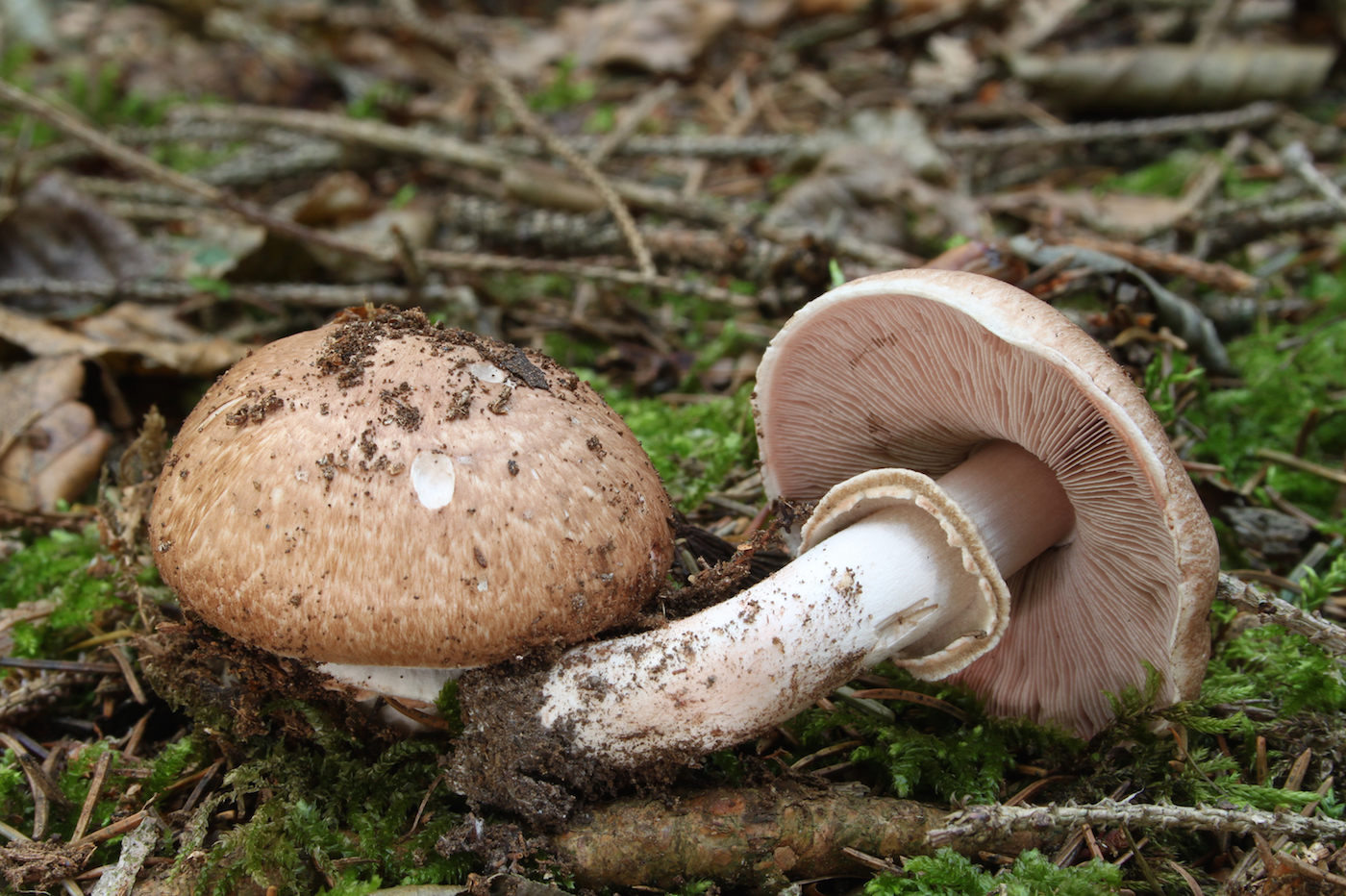
The Blushing Wood Mushroom, Agaricus silvaticus, Improves Cancer Treatment

Agaricussilvaticuswildfoodism copy

Credit: Holger Krisp, Ulm, Germany

I’d like to begin this article with 2 very important statistics:

The chance of an American man developing cancer in his lifetime is 1 in 2.

The chance of an American woman developing cancer in her lifetime is 1 in 3.

Pause and think about that for a moment…

…no really.  Think about it.

How did we get here?  Is it bad luck that plagues our species?  (Interestingly enough, a recent study suggested that the majority of cancer cases are due to bad luck, 1)

To me, that seems just a bit nutty, though I’ll leave it at that for now.

Browsing the scientific literature, it’s apparent that numerous variables are involved in cancer development, including pesticides, asbestos, synthetic chemicals in our food, genetics, cell phone exposure, and weight.  The list goes on (2).

Needless to say, many Americans will develop some form of cancer in their lifetime.  And many will take action by seeking conventional medical treatment.  Fair enough.

This is not a website telling people what they should or should not do regarding their health.  I write articles that provide information based on evidence.  What people do with this information is up to them.

Having said that, there’s a mushroom that individuals with cancerous conditions may find interesting…

Read the rest of the article at Wild Foodism


Leave a comment

Winter Tree Identification Tip

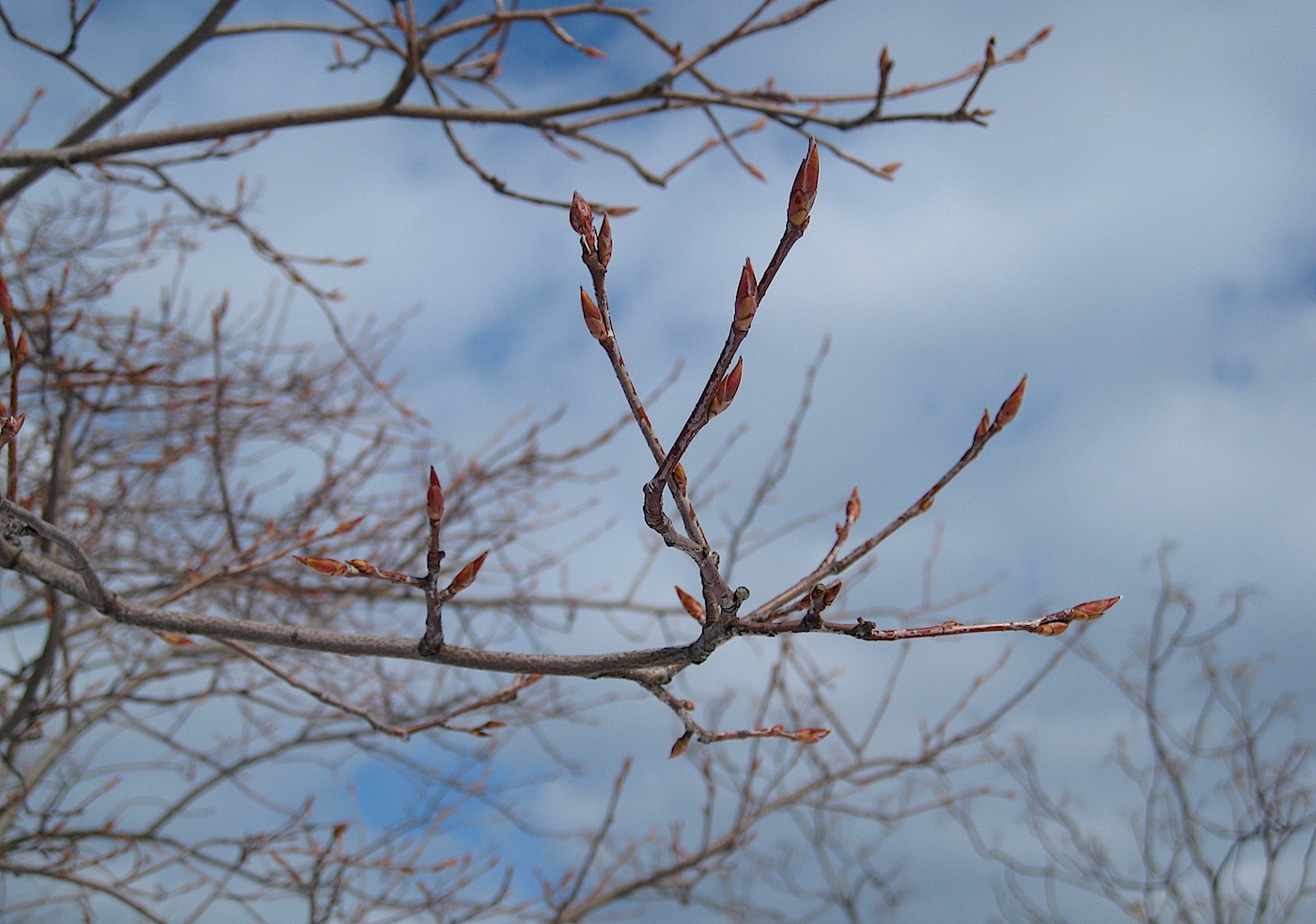
juneberrybudswildfoodism

Winter is a great time to practice our tree identification skills.

An easy phrase to learn that will help you identify most trees with an opposite leaf arrangement is MAD-CAP-HORSE:
•Maple, ash, dogwood
•the Caprifoliaceae family, which includes honeysuckle and viburnums
•Horse chestnuts and other buckeyes

To learn more about winter tree identification, check out this free downloadable PDF. It includes numerous species, pictures, distinguishing features, and more!

By the way, can you venture a guess as to which tree is pictured here?

If you said serviceberry (Amelanchier sp.), you are correct.  It possesses an alternate leaf arrangement with pointed, reddish winter buds that grow to 1/2″ in length.

Serviceberries are planted all throughout Pittsburgh, offering delicious food not only for the wildlife, but for us as well.  Check your favorite spots in late spring/early summer, and don’t forget to bring your berry basket!


Leave a comment

Frankfort Mineral Springs in Raccoon Creek State Park

frankfortwinterFrankfort Mineral Springs – showcasing nature’s perfection since who knows when.

Shawnee and Lenape inhabitants of the area used these springs centuries ago. Notably rich in magnesium carbonate and iron, the springs brought relief, both as a cold bath and a drink, to those experiencing chronic rheumatism, indigestion, and liver complaints. A popular resort was built for the wealthy, then later accidentally set ablaze in 1932, while all that remains is a guest cottage – and, of course, the springs.

As you can see, the adjacent waterfall is frozen while the springs (right side of photo) trickle out fresh from the shale and sandstone formation – providing free, highly mineralized water for those who are open to the experience.

If you pass through Western Pennsylvania, make your way into Raccoon Creek State Park, and this will become your reality.


Leave a comment

Birch Polypore (Piptoporus betulinus), A Useful Alternative To Chaga

birchpolywildfoodismcookChaga (Inonotus obliquus) gets all the love, and for good reason: it’s got some fine medicine indeed.

But what if we can’t find chaga, or what if we are interested in protecting its existence in the wild? Well then, we can look to the birch polypore as a useful alternative.

You see, the birch polypore (Piptoporus betulinus) is a fairly common mushroom that generally grows on dead birch trees. I encounter it quite frequently in the forests of Pennsylvania, especially in the winter months.

Interestingly, it contains many of the same medicinal compounds as chaga, notably the triterpenes.

For example, the birch polypore possesses betulin, betulinic acid, and lupeol, and while its content of betulin is much lower than that found in chaga, it contains a significantly greater concentration of lupeol than chaga in certain extracts. Lupeol is a compound that may be useful in treating inflammation and cancer (Saleem 2009).

The birch polypore also contains an anti-inflammatory/anti-microbial compound not detected in chaga, known as taraxasterol (Jasicka-Misiak et al., 2010).

It seems that medicinal diversity is essential for optimal health, and cycling between chaga and the birch polypore (instead of relying solely on chaga) can benefit not only the health of the forests, but our personal health as well.


Leave a comment

Motherwort (Leonurus cardiaca) Lowers Blood Pressure

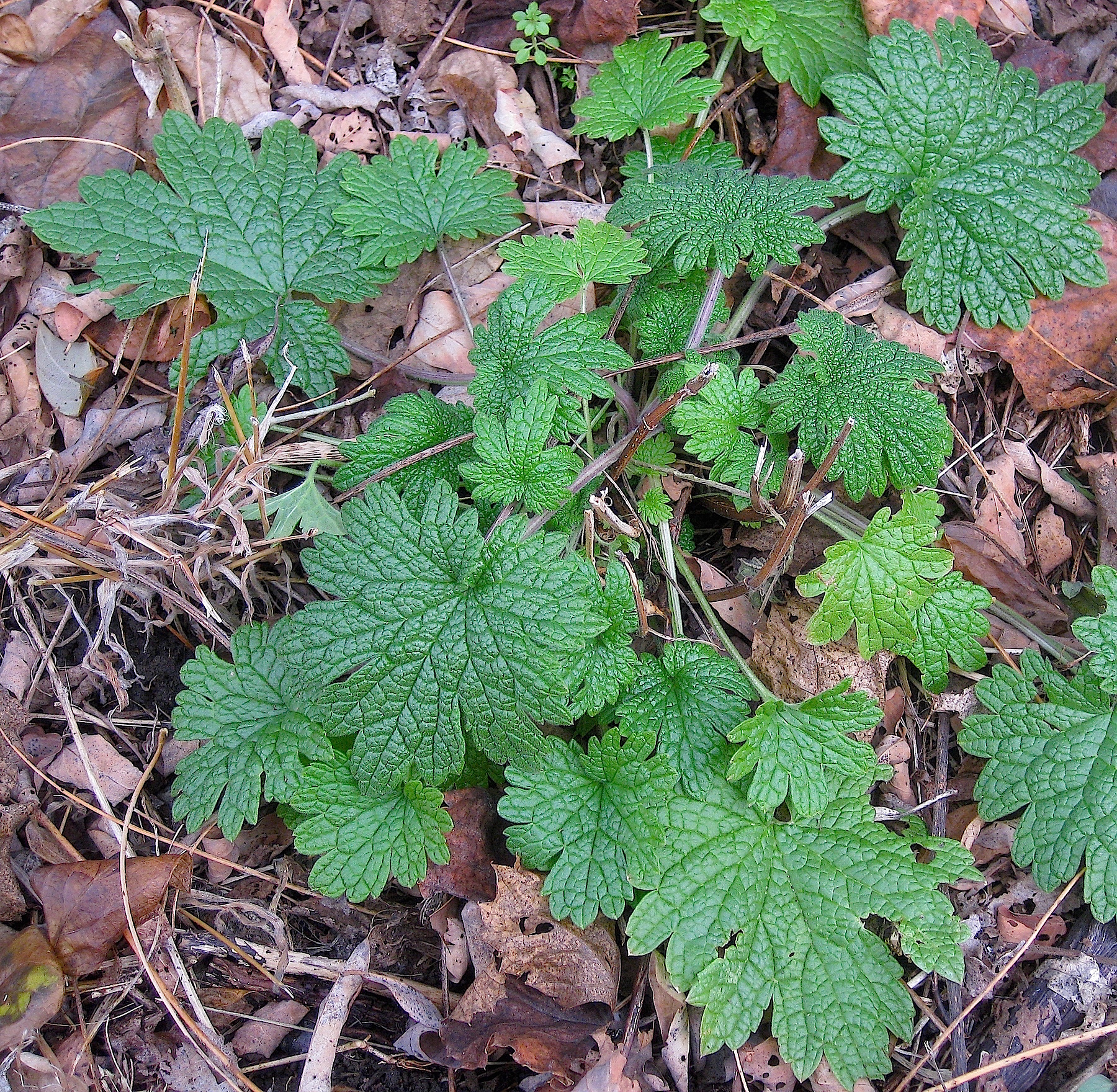
motherwortwildfoodismwinter

Motherwort (Leonurus cardiaca) – a messenger from the mint family – is a very common plant inhabiting fields, woods, and roadsides. It can be found right now (yes, even in Pennsylvania during the winter months), but why should we care?

Well … motherwort can lower blood pressure. In a clinical trial, patients with varying stages of hypertension (high blood pressure) were given encapsulated oil extracts of motherwort. Results?

•In patients with stage 1 hypertension, there was a significant decrease in and normalization of blood pressure (from 145/96 to 130/87).
•In patients with stage 2 hypertension, there was a considerable reduction in blood pressure (from 153/103 to 142/92).
•88% of patients experienced a reduction in the symptoms of anxiety and depression.

(For reference, “normal” blood pressure is considered less than 120/80)

As its name suggests, Leonurus cardiaca imparts beneficial effects on the heart and circulatory system. Many studies have corroborated this, though the aforementioned study is particularly interesting because it was performed on human patients – not rats, rabbits, nor extracted cells.

Is motherwort the cure for hypertension? Probably not, though anything is possible. Check it out on your next walk, allow it to become your ally, and see where the journey takes you.

(Source: Phytotherapy Research, 2011)