Foraging Pittsburgh

Wild Food Walks, Workshops, & Guided Nature Hikes


3 Comments

Another Bear’s Head Tooth (Hericium americanum) near Pittsburgh

adamcollage

I don’t usually characterize the foraging year as being “a good year for bear’s head tooth.” Chicken mushroom – let’s talk about them; chanterelles – they definitely deserve a mention; morels – let me see your pictures. Based on the last few weeks exploring the forest, however, I can confidently proclaim that it has been a great year for bear’s head tooth!

Bear’s head tooth (Hericium americanum) provides a stunning sight with its branched icicle-like body, resembling a miniature frozen waterfall. It appears late summer through autumn on fallen logs or the wounds of trees (mostly hardwoods), though its presence is considered infrequent to rare. All the more reason for me to proclaim that it has been a great year for this forested jewel, as I have found it on numerous occasions.

Other Hericiums (of which lion’s mane is one) resemble bear’s head tooth, and all are considered to be edible (cooked, of course) with no poisonous look-alikes. Cut it into small pieces, saute it in butter with garlic, season with your favorite spices, and serve with a squeeze of lemon.

I found this magnificent specimen while hiking in a park northwest of Pittsburgh.

Happy fall foraging!


Leave a comment

5 Easy-To-Identify Edible Mushrooms For The Beginning Mushroom Hunter

chickenofthewoodswildfoodism2

In the world of foraging, few organisms conjure up more fear and mystery than mushrooms.  Tell someone you harvest wild berries, and he thinks to himself what a great hobby.  Tell another person you hunt wild mushrooms, and she fears for your life.

“Aren’t you scared?”

“What if it’s poisonous?”

“I could never pick wild mushrooms, they’re much too dangerous.”

The fungal kingdom, it seems, is a bit of an enigma.  In 1991, a paper was published suggesting that, although 1.5 million fungi were thought to have inhabited the earth, only about 70,000, or 4.7%, of fungal organisms were identified at that time (1).  Today, it is estimated that there are 5.1 million fungal species in existence, and the number of identified species is still quite small in comparison.

It’s true, out of 5.1 million fungal species, some of them are quite toxic …

Read the rest of this post here.


Leave a comment

Wild Edible And Medicinal Plants Workshop in Pittsburgh

hartwoodclasswildfoodism

I had the pleasure of leading the Wild Edible and Medicinal Plants Workshop at Hartwood Acres this past Saturday, along with Erik Kulick of True North Wilderness Survival School.

We covered more than a dozen species, including Lindera benzoin (spicebush), Pinus strobus (eastern white pine), and Quercus rubra (northern red oak). We harvested chicken of the woods, sampled a chaga-chai decoction, and experienced the ambrosial paw paw. The air was cool, the wind was steady, and no amount of hail could have kept us from learning how to tap a maple tree.

Thank you to everyone who participated in the workshop … it was an honor to take part in it. Also a big thanks to Erik for hosting the event (and for snapping this photograph!).

For more information on the classes, walks, and workshops I lead, please check out Wild Food Walks.  Thank you!


Leave a comment

Paw Paws (Asimina triloba) In Pittsburgh

pawpawfruitwildfoodism

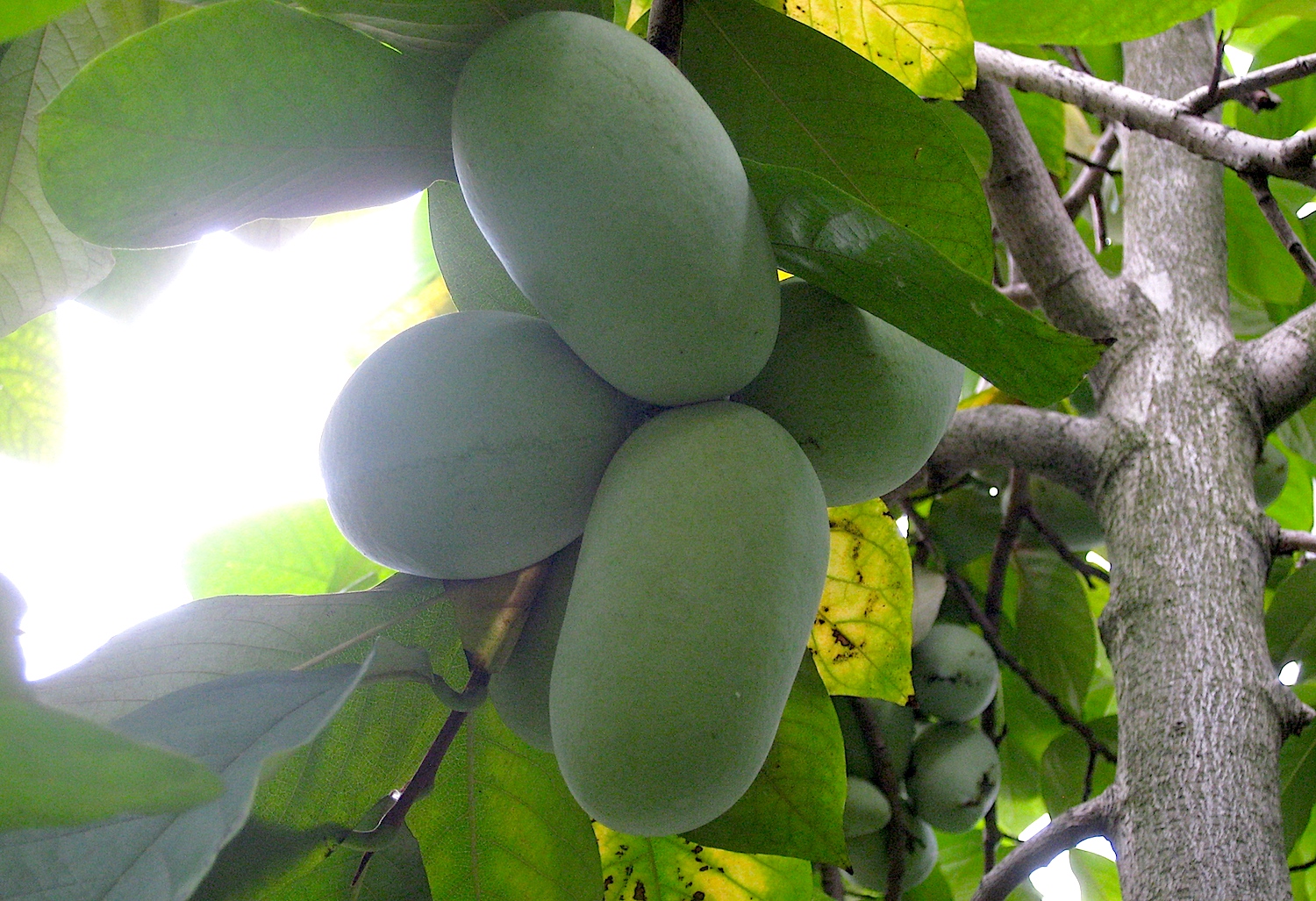
The paw paw fruits have been falling in western Pennsylvania the past few weeks (if you’ve never experienced one, ask a friend to share his/her secret spot! … just kidding, that will never work).  The fruits, which are actually berries, taste somewhat like a cross between a banana and a mango … no surprise, as they are taxonomically placed in the custard apple family.

Beyond edibility, the native paw paw (Asimina triloba) … yes, this tropical-tasting fruit is native to the United States … is quite medicinal: the fruits, perhaps, but more so the twigs.

One particular group of active compounds found in Asimina triloba includes the acetogenins.  These are long chain fatty acid derivatives with a wide variety of biological activities.  Research suggests that these acetogenins are cytotoxic against lung, breast, and colon cancer cells (Zhao et al., 1993).

Additional research has evaluated the effects of paw paw extracts on patients with cancerous conditions.  According to McLaughlin et al., “It is apparent that the paw paw extracts are an effective supplement for the regulation of cancers of various types” (2010).

Acetogenins are poorly soluble in water, so a hot water decoction (tea) would not be the best method of extraction.  An ethanol (alcohol) or lipid extraction would be best.

To do this, crush twigs of the paw paw tree, combine 1 part twigs to 2 parts organic vodka, and let the mixture sit in a glass jar for a few weeks (I like to set extractions on the new moon, and pull on the full moon 6 weeks later).  Strain, and bottle your tincture.

Of course, this medicine may not be right for everyone, and by no means is the paw paw tree the long-awaited remedy for cancer.  However, this may all be good information for those who actually need it.

Use your intuition … that’s good medicine right there.  I’ll be gathering more paw paws today if you need me ….


Leave a comment

Pear-shaped puffball, Lycoperdon pyriforme

puffballwildfoodism

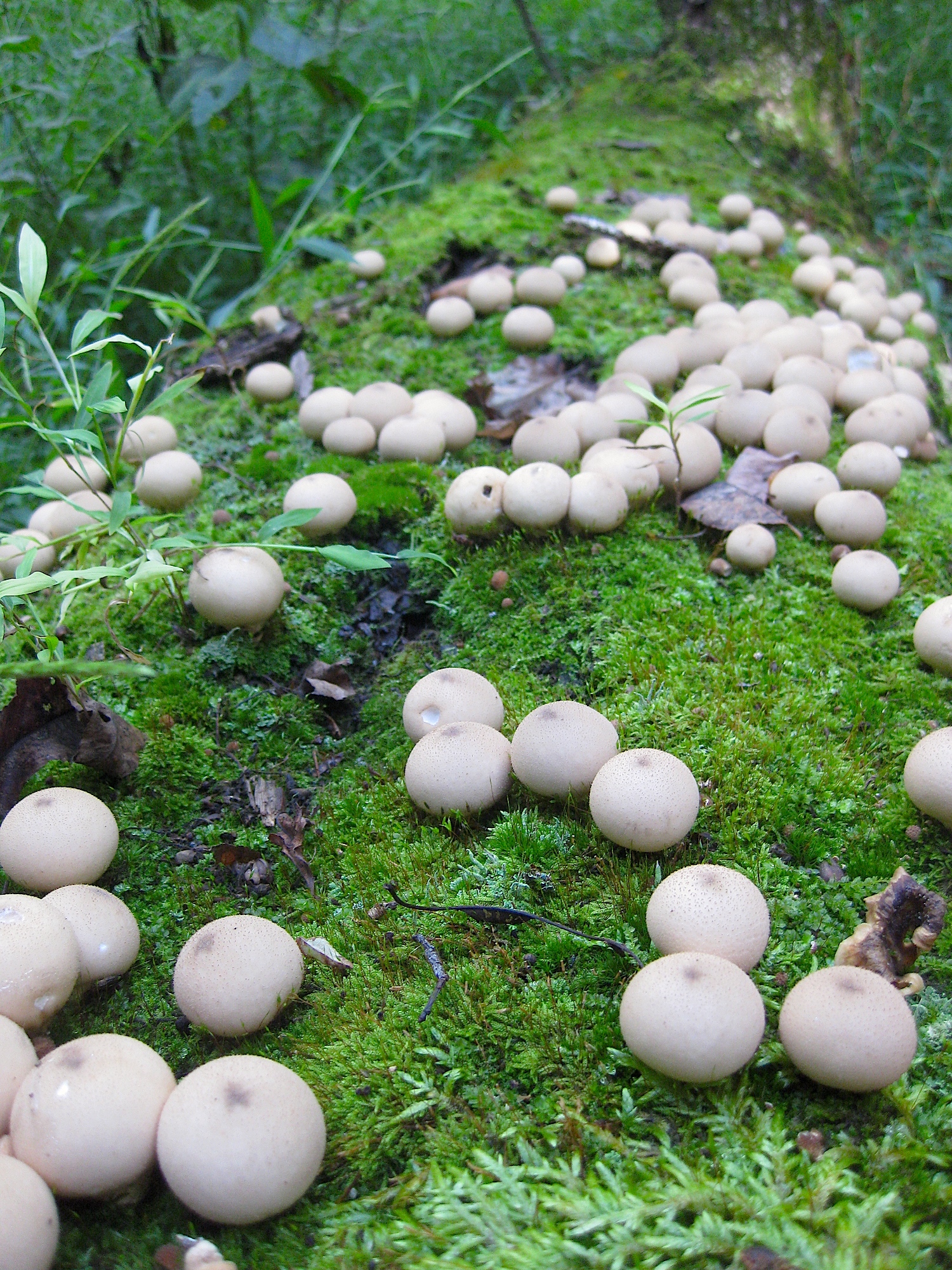
You’d think with all that room in the forest, they’d give each other space. I don’t mind though … makes it that much easier to collect.

This is the pear-shaped puffball (Lycoperdon pyriforme), an edible mushroom that has the texture of a marshmallow. Cut each one in half to see how it looks – the closer to pure white, the better it tastes (cooked, of course).

Another reason to cut each one open is to confirm that it is indeed a pear-shaped puffball. If it’s black inside, it could be a toxic Scleroderma mushroom. If it’s not pure white all the way through, and you see an outline of a developing mushroom, you probably have a poisonous Amanita. So, just to be safe … cut each one in half!

Look for the pear-shaped puffball scattered on logs and stumps throughout the fall (and the spent versions throughout the winter). And tell them Adam sent ya.

This particular cluster was found about 15 miles outside of Pittsburgh, Pennsylvania in late September.


Leave a comment

5 unique health benefits of the maitake mushroom

maitakewildfoodism

Common dietary advice almost always includes some variation of the phrase, “Eat more fruits and vegetables for good health.”  Pick up most diet books, talk to the health professionals, and look at the research:  fruits and vegetables are nutritional superstars.

Less often do we hear the phrase, “Eat more mushrooms for good health,” and if we look at the research, one may wonder why we neglect to include our fungal friends in the dietary limelight.  Perhaps we tend to lump them into the category of vegetables (this is what I was taught to do in my nutrition classes, for example, when creating meal plans), though if we study the biology of mushrooms, they more closely resemble fruits in their reproductive roles.  Or perhaps here in the United States, mushrooms just haven’t found their way into our national cuisine (though edible fungi have been on this continent far longer than bread and boxed cereal).

Whatever the reason, it’s all a bit unfortunate.  Many mushrooms are quite nutritious, and many are medicinal.  I’ve previously written about the nutritional benefits of morel mushrooms, and would now like to explore the world of yet another equally impressive fungal ally.

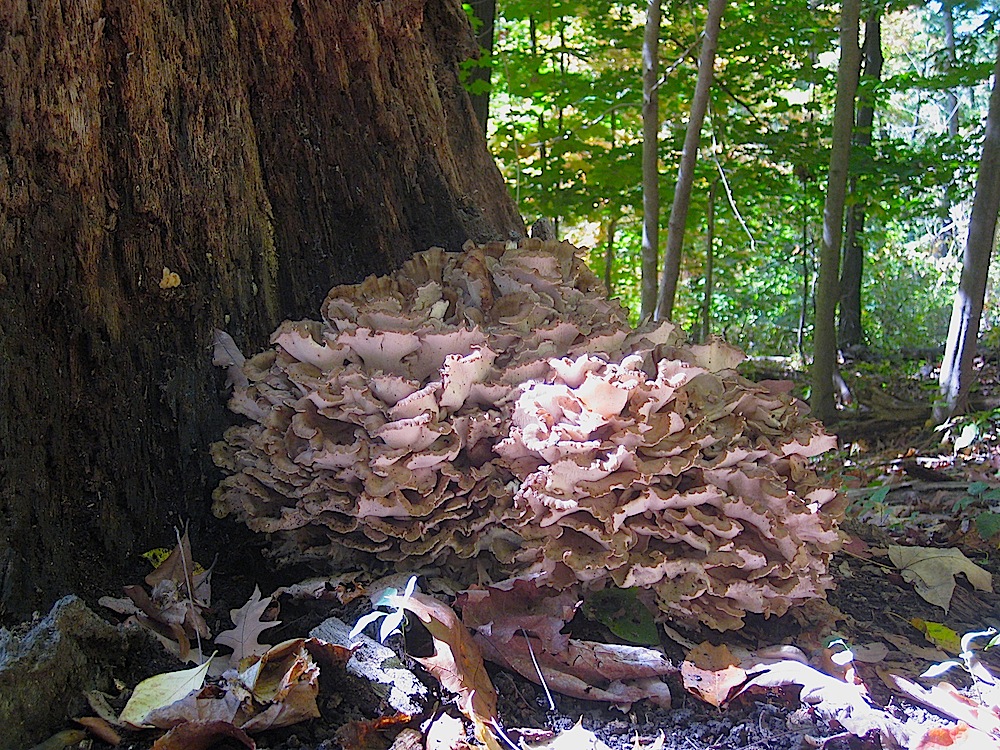
The maitake mushroom (Grifola frondosa), also known as “sheep’s head” or “hen of the woods,” is a polypore that grows at the bases of oak trees.  In addition to its culinary versatility (one of my favorite choice edibles from the fungal kingdom), the maitake mushroom has been researched extensively for its nutritional and medicinal effects…

Read the rest of this post here.


Leave a comment

The medicine in chicken mushroom, Laetiporus sulphureus

chickenwildfoodism

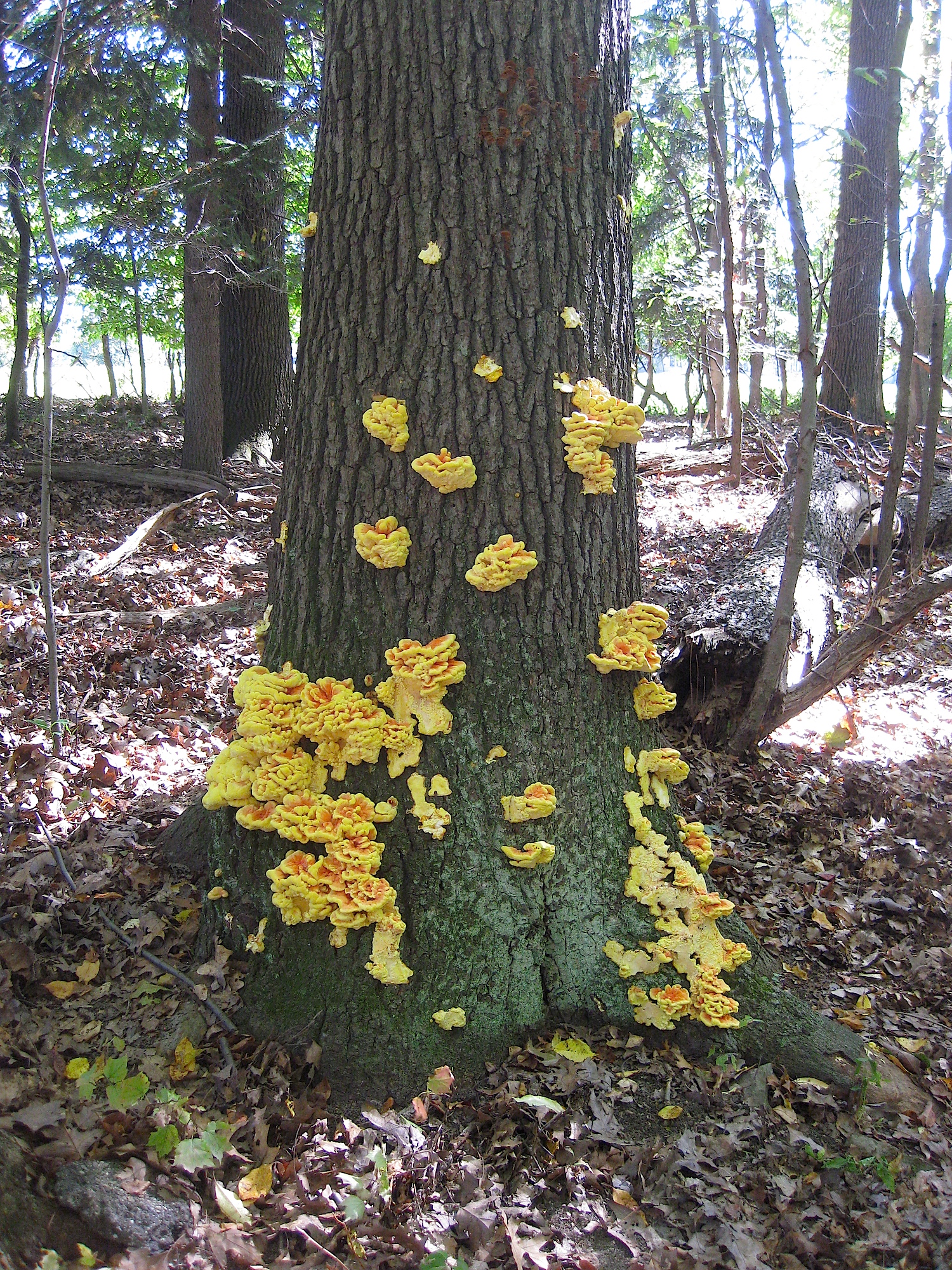
Chicken mushroom (chicken of the woods, Laetiporus sulphureus) isn’t just for the dinner table (if you’re not familiar with this edible fungus, it resembles chicken in taste and texture). Chicken mushroom is quite medicinal, and it’s the perfect way to let food be your medicine, and medicine your food.

Research has shown that an extract from this mushroom possesses antimicrobial activity against the pathogen, Aspergillus flavus (Petrovic et al., 2013). Chicken mushroom is also a great source of antioxidants, including quercetin, kaempferol, caffeic acid, and chlorogenic acid (Olennikov et al., 2011), and it contains lanostanoids – molecules that have the ability to inhibit cancerous growths (Rios et al., 2012). What more could you ask for from a humble saprophyte?

I harvested only a bit (as you can see, another hungry soul found this tree before me). And if you are signed up for the wild edible and medicinal plants workshop near Pittsburgh next week, I’ll introduce you to this tree (let’s hope it’s not completely picked over by then!).


Leave a comment

Bear’s Head Tooth – Hericium americanum

bearsheadtoothwildfoodism

I always feel so lucky when I stumble upon a Hericium in the wild (don’t you?). This mushroom is Hericium americanum, or Bear’s Head Tooth, and is in the same genus as the neurotrophic, cognition-enhancing Lion’s Mane fungus. The latter produces a spine-bearing unbranched fruiting body, while Bear’s Head Tooth is branched with spines reaching up to 4 cm in length.

This edible mushroom has no toxic look-alikes, and makes for great eating (as long as you don’t find it too majestic to harvest).

Look for Bear’s Head Tooth on dead hardwood logs and stumps, summer through fall. This beautiful specimen was found northwest of Pittsburgh on September 20th, 2014.


Leave a comment

The nutrition of Autumn olive – Elaeagnus umbellata

autumnolivewildfoodism

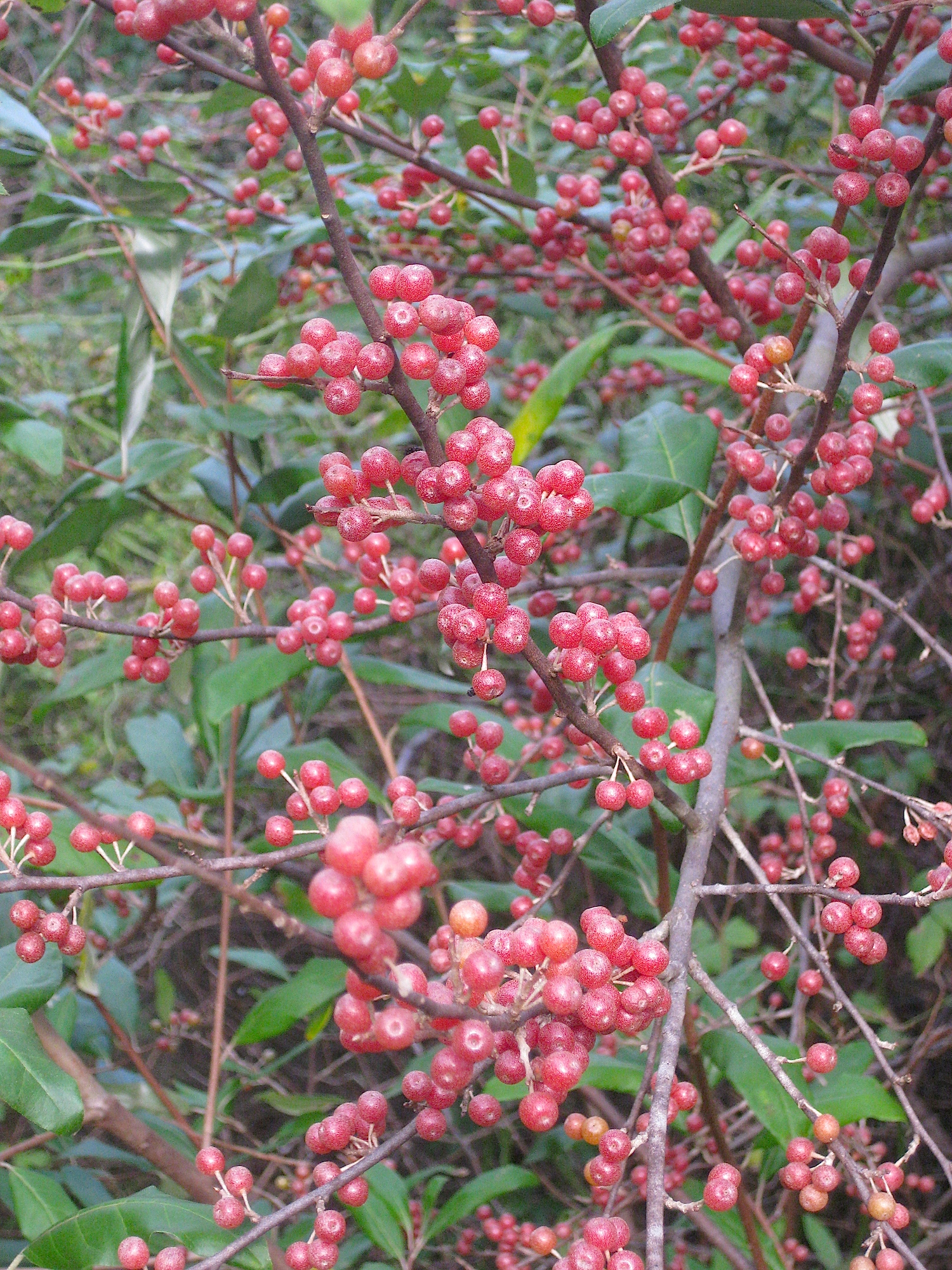
Autumn olive (Elaeagnus umbellata) is a deciduous shrub that produces numerous edible fruits (usually red with silver specks) this time of year. Not only are they delicious, they’re highly nutritious as well.

One study revealed that autumn olive fruits contain up to 17 times the lycopene content compared to tomatoes (Fordham et al., 2001). Lycopene (which almost always gets attributed to tomatoes) is a carotenoid pigment and powerful antioxidant that may protect our bodies from free radical damage, premature skin aging, DNA damage, etc.

The same study found that autumn olive fruits contain up to 10 times the beta-cryptoxanthin content compared to oranges and tangerines. Beta-cryptoxanthin is another powerful antioxidant that can be converted to vitamin A in the body.

I spent the morning harvesting several pounds of these fruits near Pittsburgh, and will enjoy their gifts for many weeks to come. Sad to say you won’t find these tasty drupes in the supermarket, though the chase is more fulfilling anyway. Look for them in open pastures, fields, and along the edge of woodlands.


1 Comment

Amanita muscaria var. guessowii

amanitamuscariawildfoodism

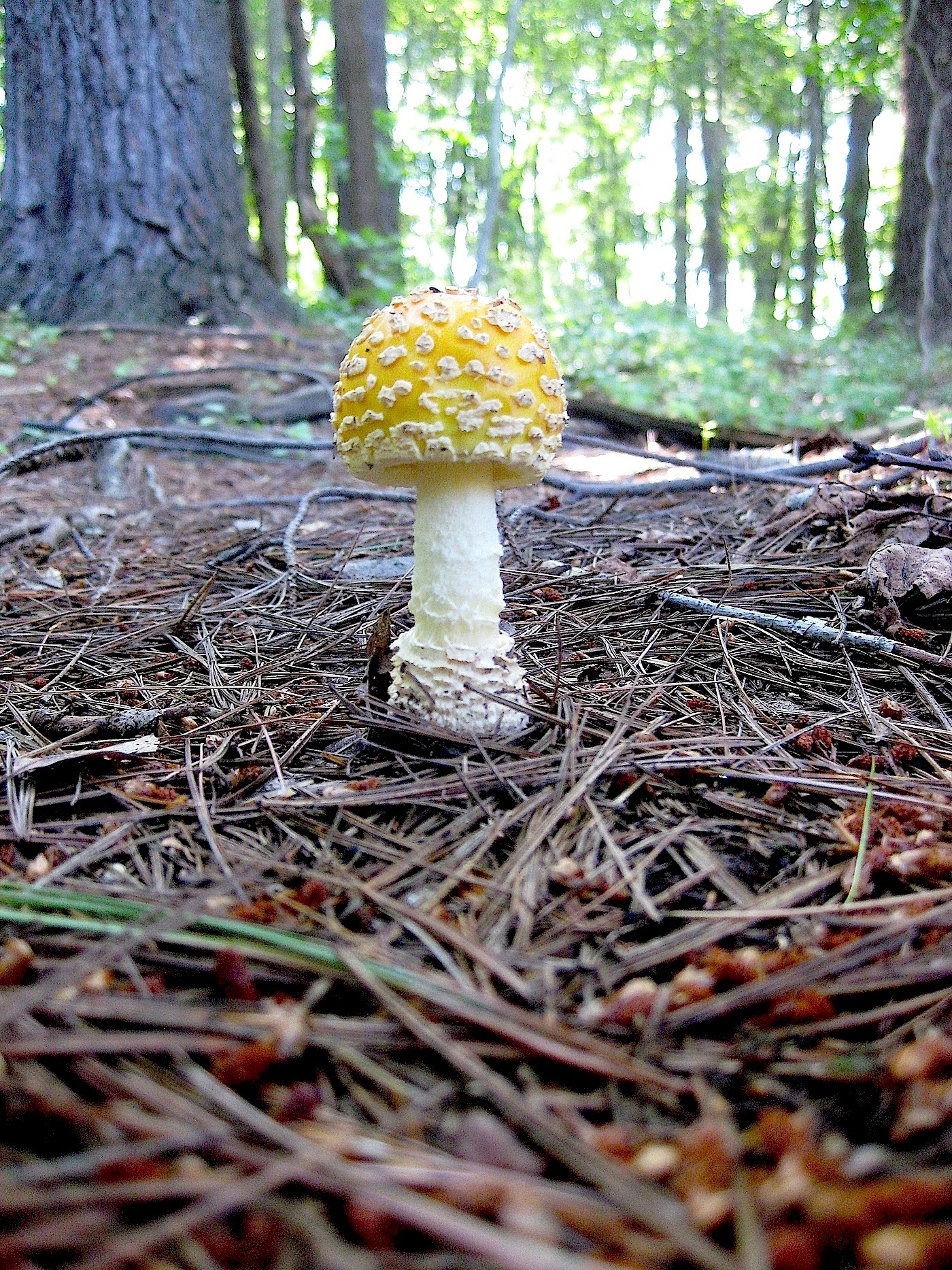
This is Amanita muscaria var. guessowii, a particular variety of the classic European toadstool – the fly agaric mushroom.

It can be toxic, and it can be hallucinogenic … all depending on the dose. Effects on humans vary. Regardless, it’s one of the most beautiful mushrooms and always a pleasure to find on the forest floor (for an interesting read, research the connection between the fly agaric mushroom and the story of Christmas).

This photograph was taken in a hardwood forest outside of Pittsburgh, Pennsylvania.  Look for them in summer and fall under hardwoods and conifers.  Amanita muscaria var. guessowii produces a white spore print.